iFANN
    搜索 iFANN...
    登录
    首页
    新闻
    视频
    图片
    GIF
    探索
    投票
    大奖
    iFAMOUS
    维基
    动漫
    聊天室
    通知
    私信
    收藏
    我的
    维基大奖iFAMOUS排行榜行业创作者奖励用户奖励条款隐私社区准则下架 / DMCA帮助开发者

    © 2026 iFANN

    首页
    搜索
    私信
    提醒
    我的
    照片
    Sur
    Sur@sur_273w
    💭Science💭History⭐Brahmagupta
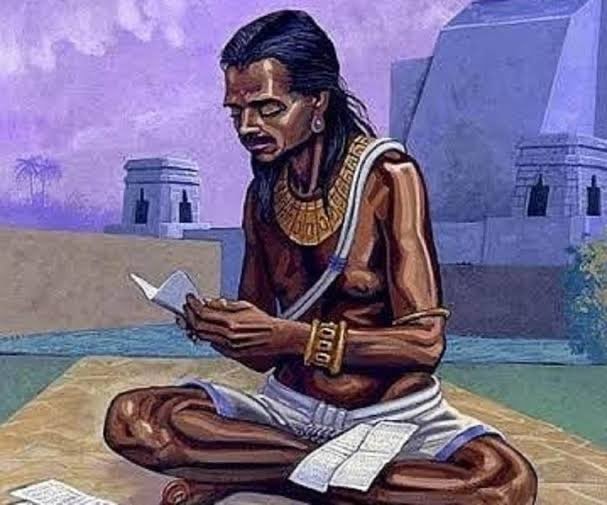
    Brahmagupta reading outdoors

    @sur_27Brahmagupta was a renowned Indian mathematician and astronomer active in the 7th century CE, with life dates approximately spanning 598, 668 CE. His pioneering contributions across number theory, algebra, geometry, and trigonometry left an enduring mark on the field. He stands out as one of the first scholars to treat ZERO as a full-fledged number rather than a mere placeholder. This involved clearly defining its properties and establishing specific rules for arithmetic operations involving it. For instance, he stated that dividing any number by zero yields infinity. He also noted that zero has no multiplicative inverse, meaning it lacks a reciprocal. In arithmetic, Brahmagupta described innovative multiplication techniques. One such method was the 'gomutrika' approach, a zigzag technique resembling the modern lattice or grid multiplication system. He further provided efficient algorithms for computing square roots and cube roots. His work included methods for solving both linear equations and quadratic equations. Brahmagupta made notable advances in solving indeterminate (Diophantine) equations. He offered a recursive solution to Pell's equation, specifically for the form x² − n y² = 1 where n is a non-square positive integer. He also found integer solutions to linear equations like ax + by = c. His geometric and trigonometric contributions are equally significant. These include Brahmagupta's formula for calculating the area of a cyclic quadrilateral. He developed Brahmagupta's identity, which relates to the product of sums of two squares. Another contribution is a theorem concerning the orthocenter in cyclic quadrilaterals. He supplied approximate values for π and developed sine tables along with related trigonometric approximations. Two major texts preserve his ideas. The Brāhmasphuṭasiddhānta, translated as 'The Correctly Established Doctrine of Brahma,' was authored in 628 CE as a comprehensive theoretical text blending astronomy and mathematics. The Khaṇḍakhādyaka, or 'The Edible Bite,' followed in 665 CE as a more practical astronomical handbook. These works preserved and expanded original ideas that profoundly influenced subsequent mathematicians in India, the Islamic world, and eventually Europe. Widely regarded as one of ancient India's greatest mathematical minds, his innovations particularly around zero, negative numbers, algebra, and cyclic quadrilaterals continue to underpin key elements of modern mathematics #Science

    查看原帖
    Brahmagupta reading outdoors

    @sur_27 的照片· Aug 26, 2026· Science

    关于这张照片

    The focus is a man reading a book. He is sitting cross-legged outdoors with ancient structures in the background. The mood is scholarly and serene, with a painterly, illustrative style. The man wears a large gold necklace and a bracelet with the numbers "1000" inscribed on it.

    查看Science的全部照片

    ?

    还没有评论。来抢沙发吧!

    更多Science照片

    查看Science的全部照片
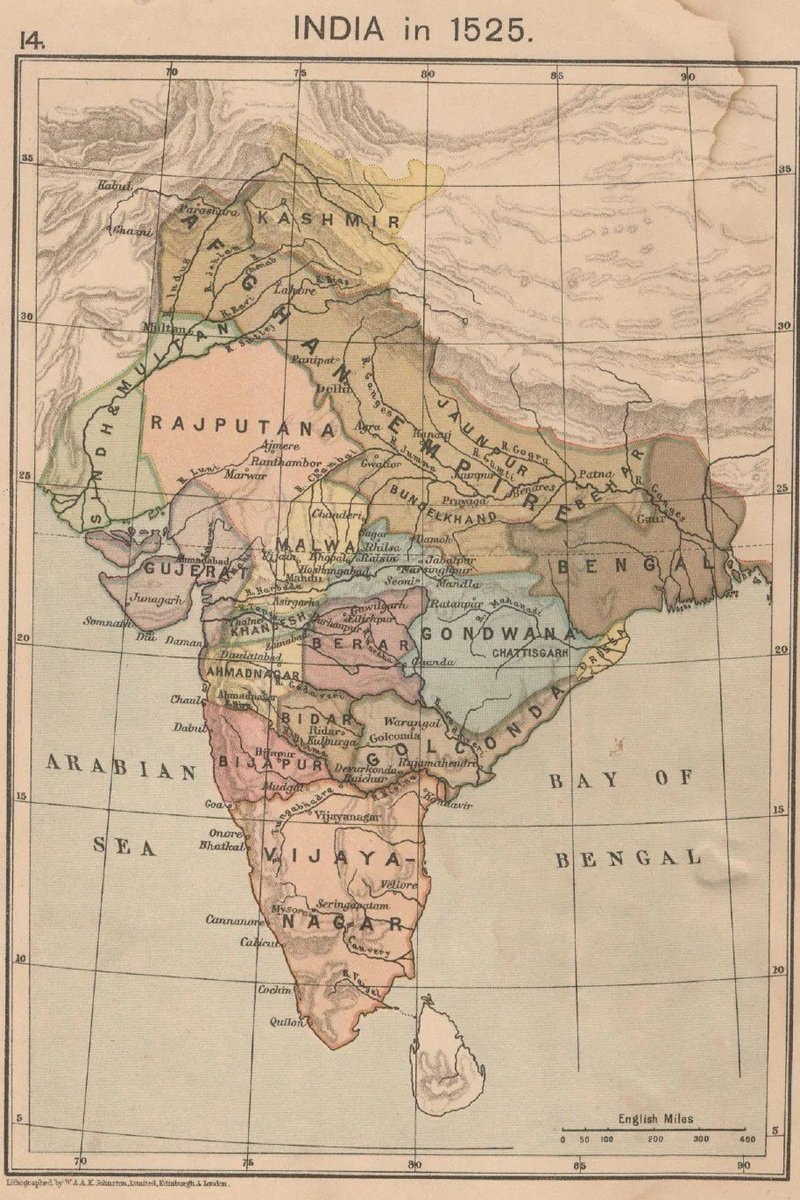
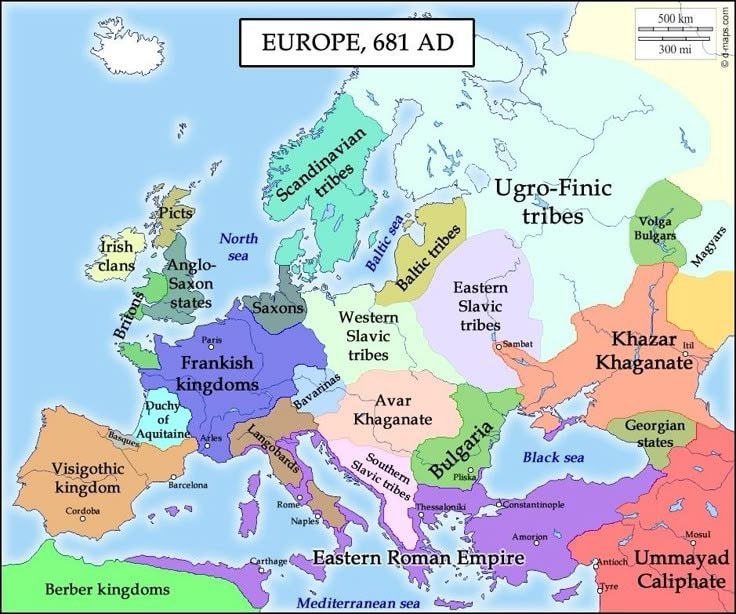
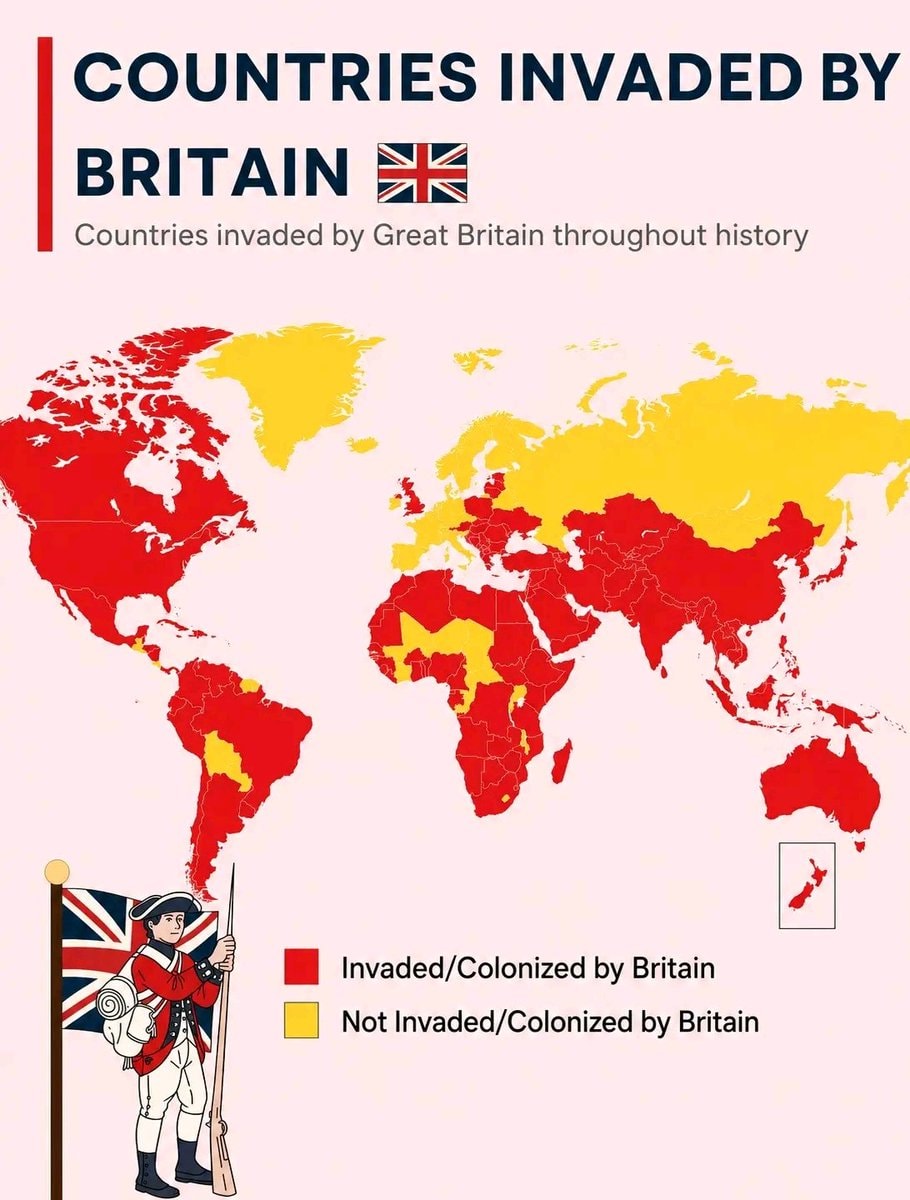
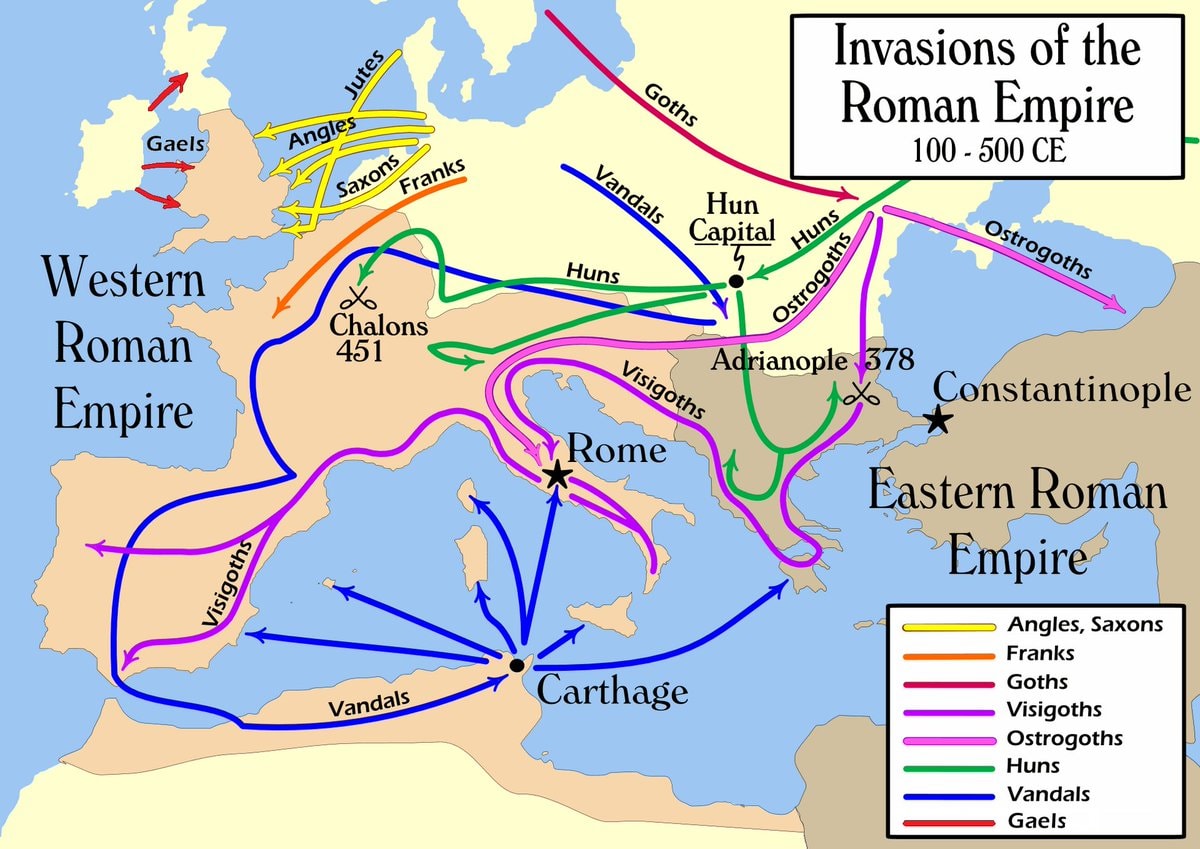
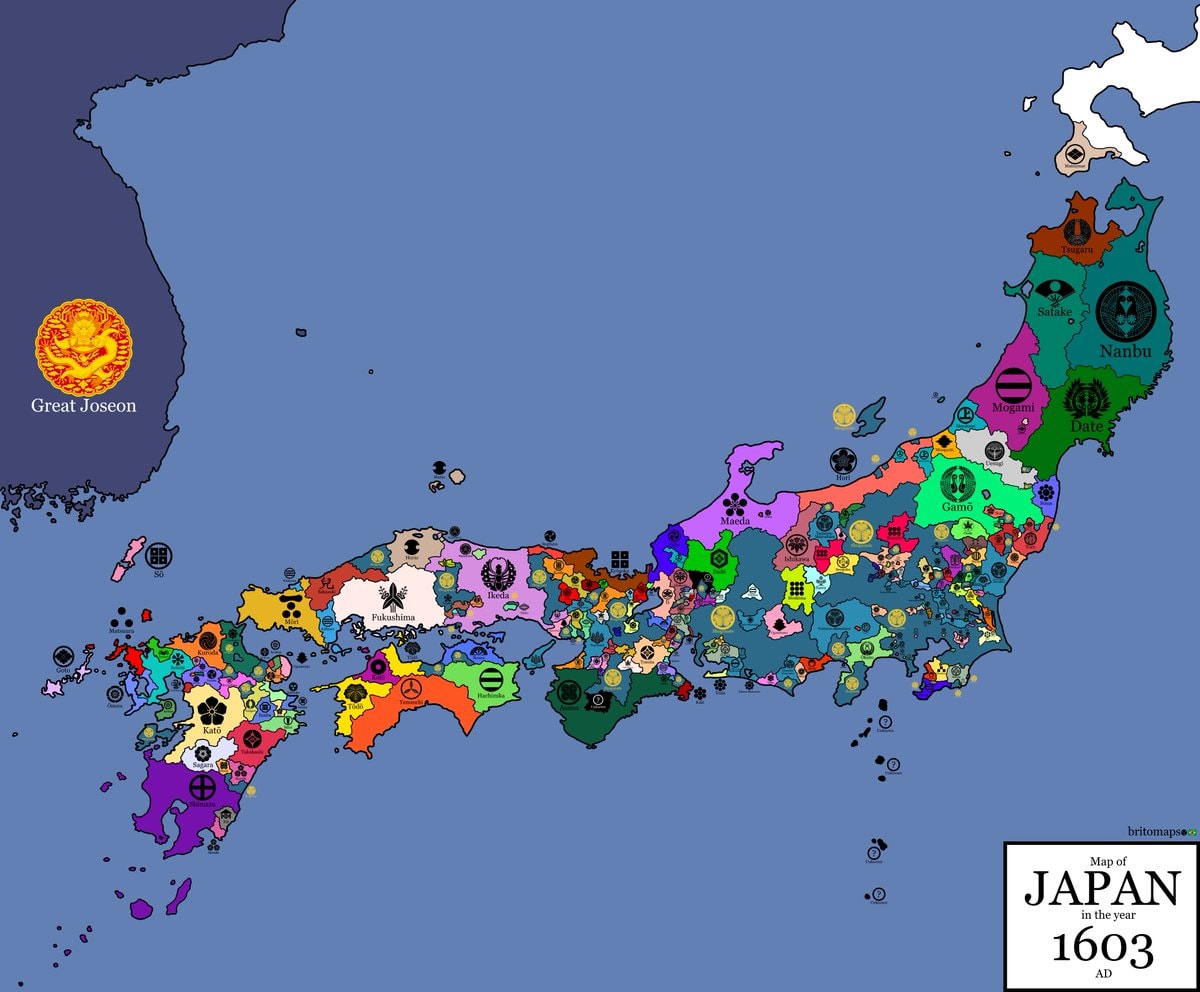
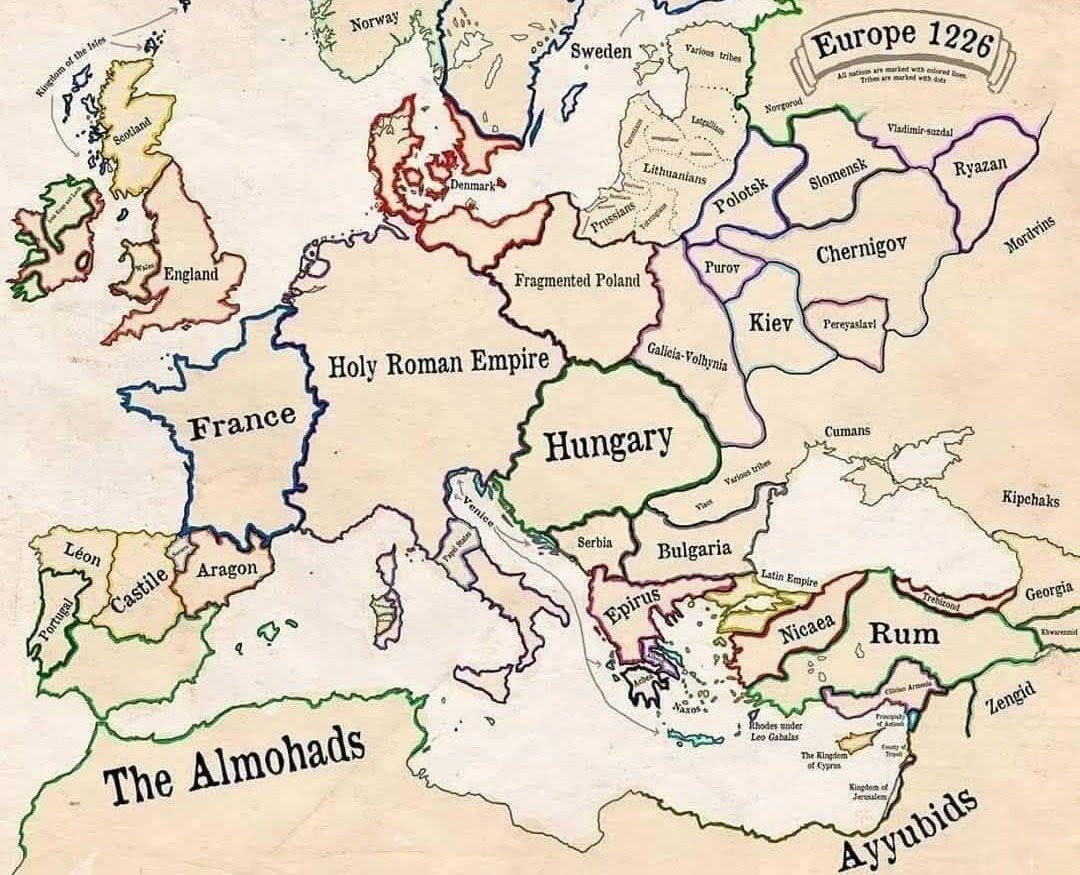
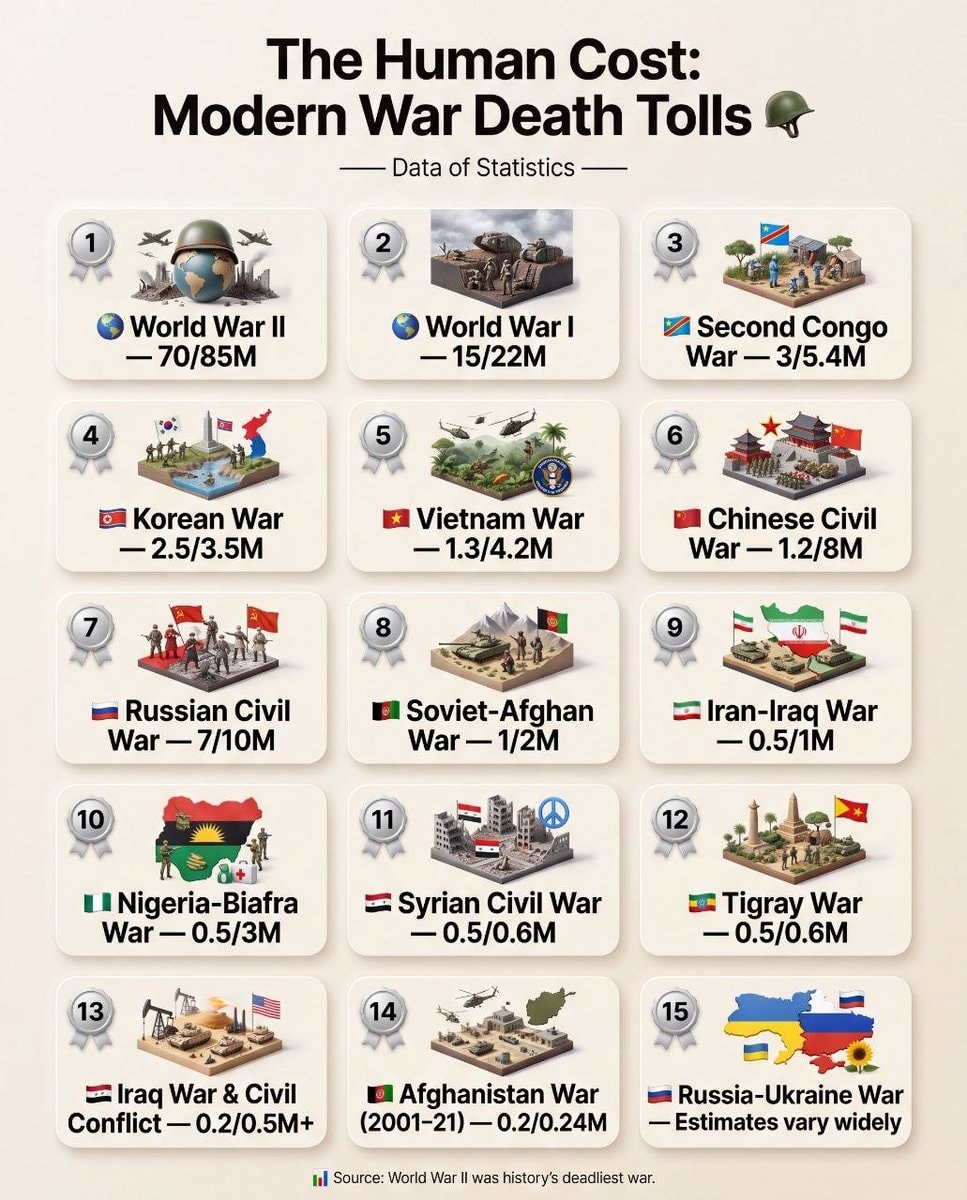
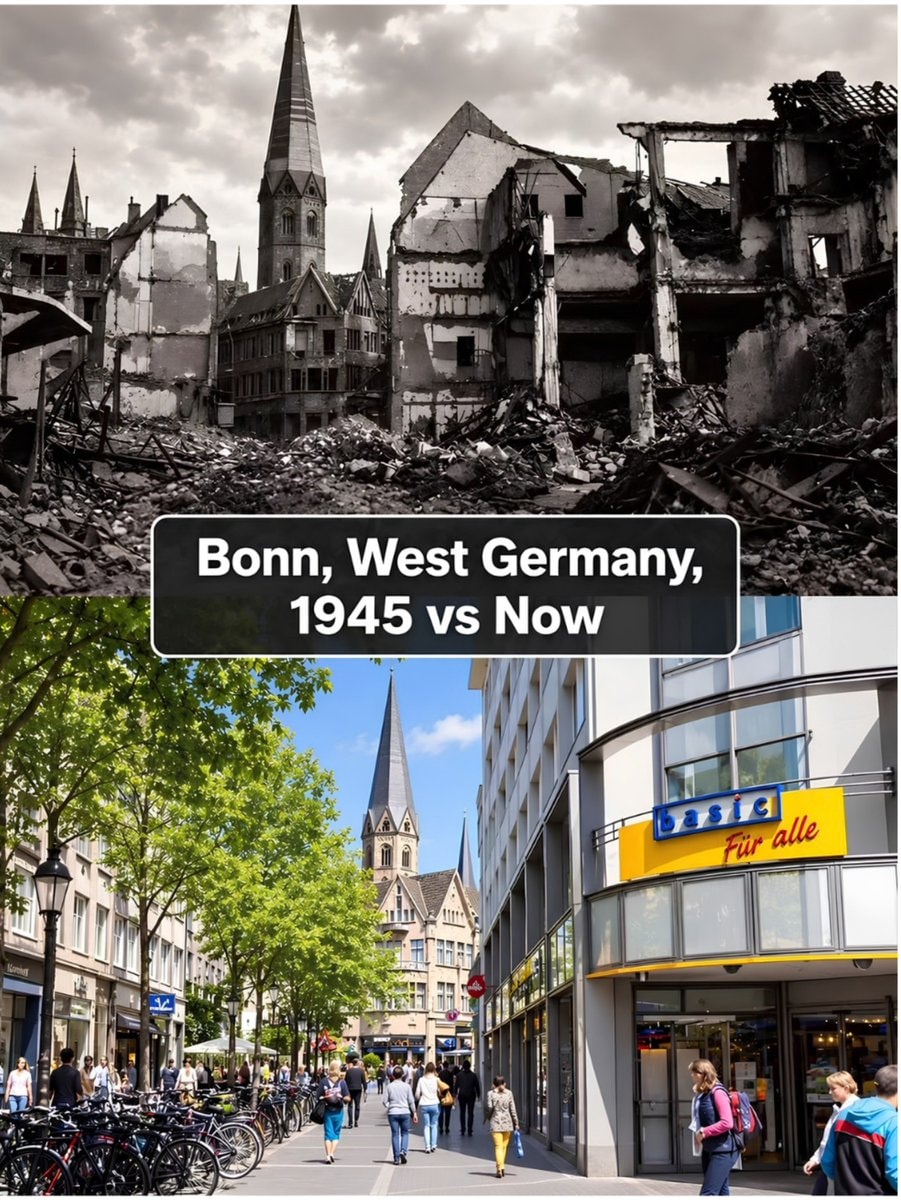
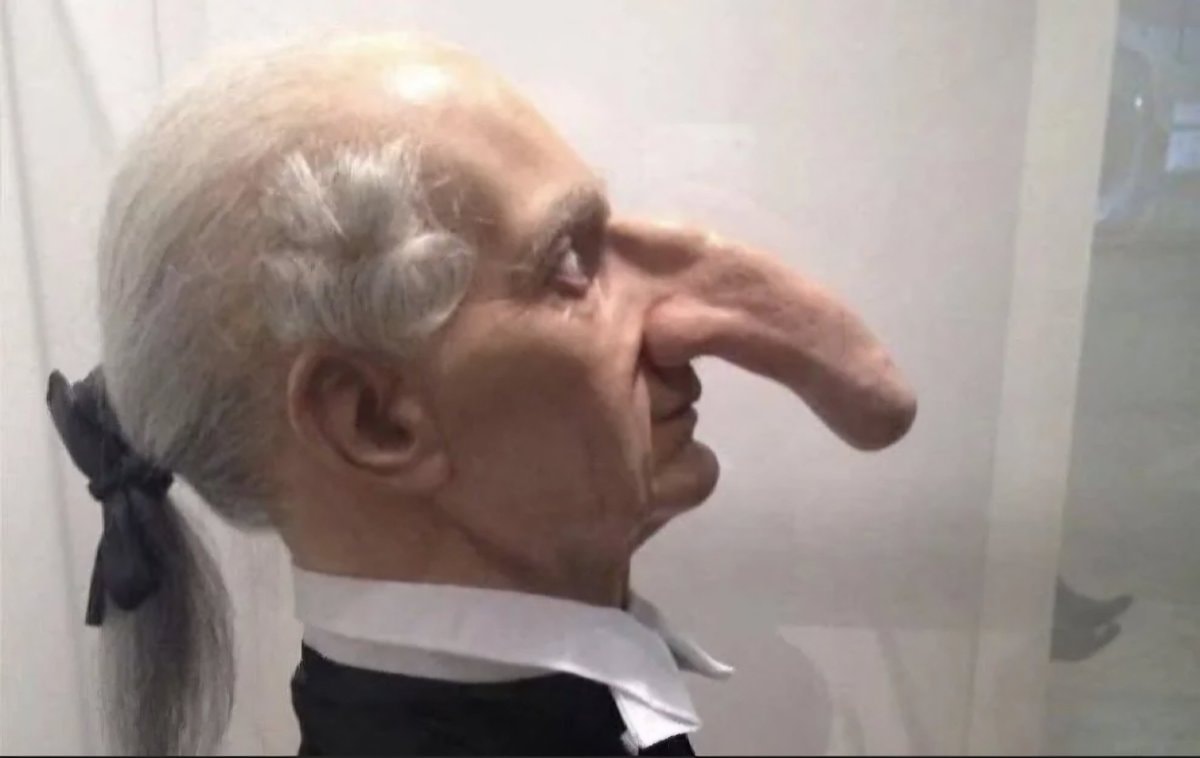
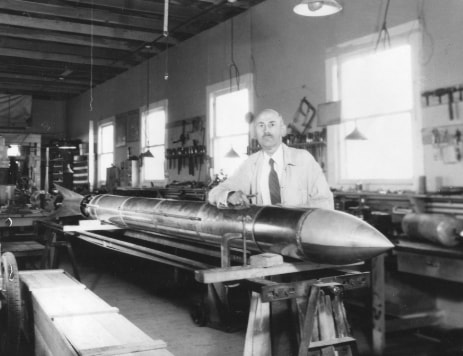
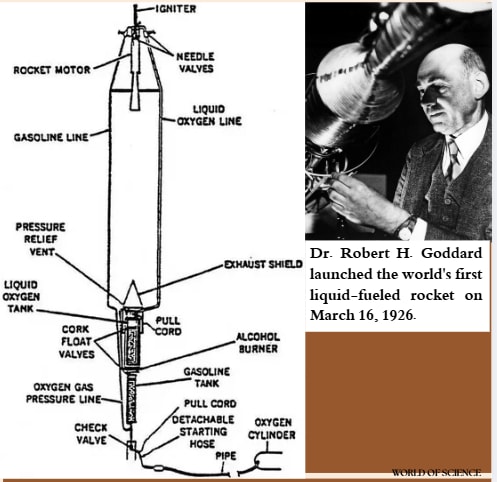
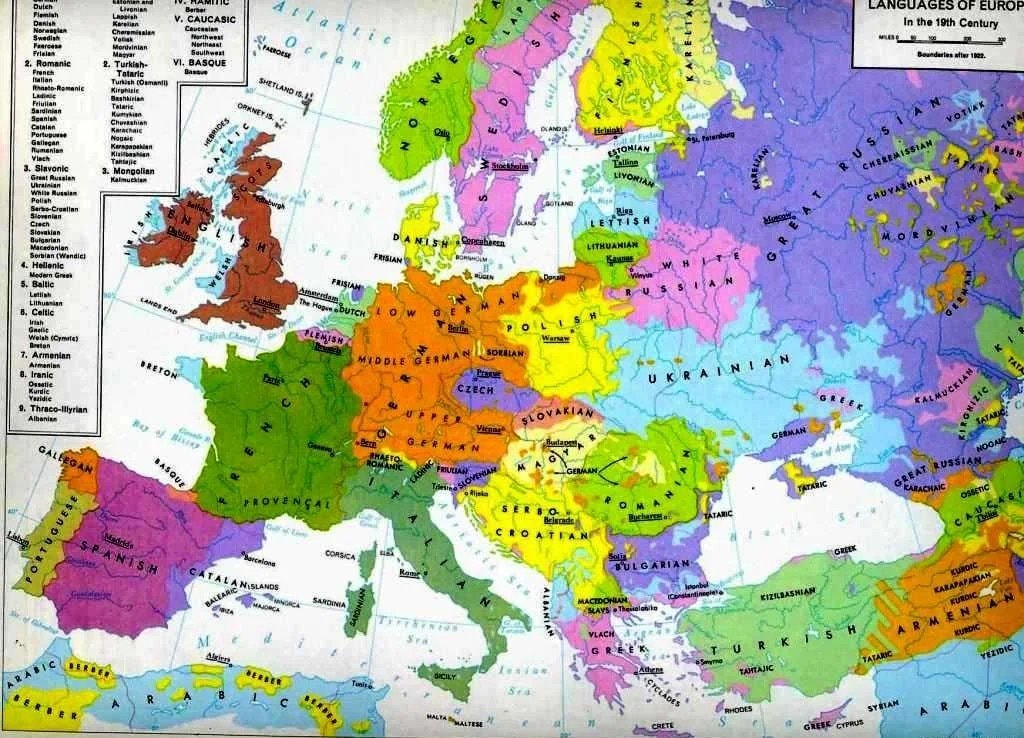
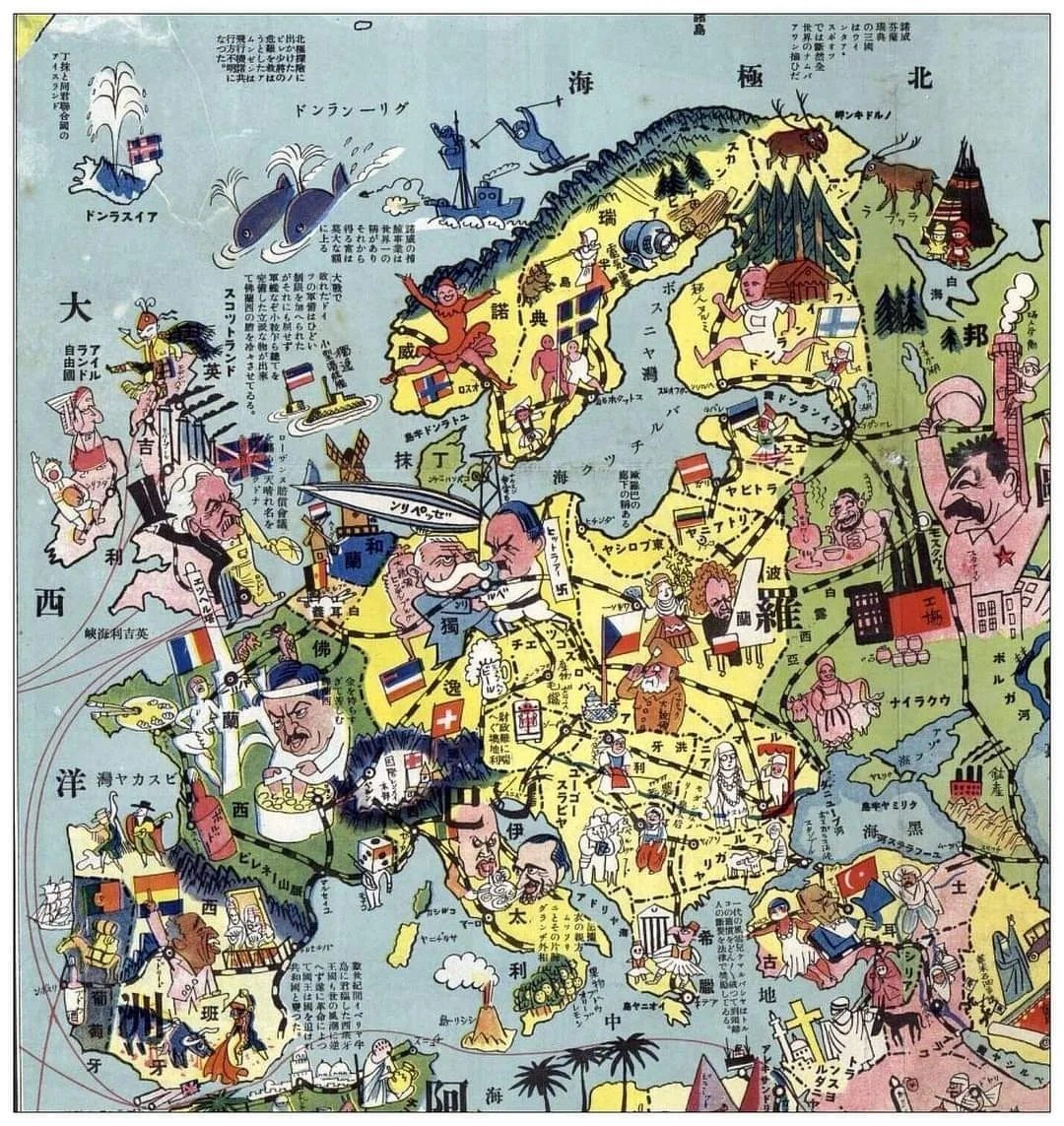
    Hungary county map with coats of armsHungary county map with coats of arms1932 Japanese map of Europe1932 Japanese map of Europesoldier face over war scenesoldier face over war sceneIndia 1525 historical mapIndia 1525 historical mapEurope in 681Europe in 681Huichang Jiangxi theater town4Huichang Jiangxi theater townCountries invaded by BritainCountries invaded by BritainInvasions of the Roman Empire 100–500 CEInvasions of the Roman Empire 100–500 CEJapan 1603 mapJapan 1603 mapEurope in 1226Europe in 1226Ganzhou old streets night market4Ganzhou old streets night marketsamurai warriors on horseback2samurai warriors on horsebackModern War Death TollsModern War Death TollsBonn 1945 vs present day comparisonBonn 1945 vs present day comparisonThomas Wadhouse longest noseThomas Wadhouse longest noseRobert H. Goddard rocket workshopRobert H. Goddard rocket workshopDr. Robert H. Goddard first liquid-fueled rocketDr. Robert H. Goddard first liquid-fueled rocketLanguages of Europe map after 1882Languages of Europe map after 1882
    照片
    Sur
    Sur@sur_273w
    💭Science💭History⭐Brahmagupta
    Brahmagupta reading outdoors

    @sur_27Brahmagupta was a renowned Indian mathematician and astronomer active in the 7th century CE, with life dates approximately spanning 598, 668 CE. His pioneering contributions across number theory, algebra, geometry, and trigonometry left an enduring mark on the field. He stands out as one of the first scholars to treat ZERO as a full-fledged number rather than a mere placeholder. This involved clearly defining its properties and establishing specific rules for arithmetic operations involving it. For instance, he stated that dividing any number by zero yields infinity. He also noted that zero has no multiplicative inverse, meaning it lacks a reciprocal. In arithmetic, Brahmagupta described innovative multiplication techniques. One such method was the 'gomutrika' approach, a zigzag technique resembling the modern lattice or grid multiplication system. He further provided efficient algorithms for computing square roots and cube roots. His work included methods for solving both linear equations and quadratic equations. Brahmagupta made notable advances in solving indeterminate (Diophantine) equations. He offered a recursive solution to Pell's equation, specifically for the form x² − n y² = 1 where n is a non-square positive integer. He also found integer solutions to linear equations like ax + by = c. His geometric and trigonometric contributions are equally significant. These include Brahmagupta's formula for calculating the area of a cyclic quadrilateral. He developed Brahmagupta's identity, which relates to the product of sums of two squares. Another contribution is a theorem concerning the orthocenter in cyclic quadrilaterals. He supplied approximate values for π and developed sine tables along with related trigonometric approximations. Two major texts preserve his ideas. The Brāhmasphuṭasiddhānta, translated as 'The Correctly Established Doctrine of Brahma,' was authored in 628 CE as a comprehensive theoretical text blending astronomy and mathematics. The Khaṇḍakhādyaka, or 'The Edible Bite,' followed in 665 CE as a more practical astronomical handbook. These works preserved and expanded original ideas that profoundly influenced subsequent mathematicians in India, the Islamic world, and eventually Europe. Widely regarded as one of ancient India's greatest mathematical minds, his innovations particularly around zero, negative numbers, algebra, and cyclic quadrilaterals continue to underpin key elements of modern mathematics #Science

    查看原帖
    Brahmagupta reading outdoors

    @sur_27 的照片· Aug 26, 2026· Science

    关于这张照片

    The focus is a man reading a book. He is sitting cross-legged outdoors with ancient structures in the background. The mood is scholarly and serene, with a painterly, illustrative style. The man wears a large gold necklace and a bracelet with the numbers "1000" inscribed on it.

    查看Science的全部照片

    ?

    还没有评论。来抢沙发吧!

    更多Science照片

    查看Science的全部照片
    Hungary county map with coats of armsHungary county map with coats of arms1932 Japanese map of Europe1932 Japanese map of Europesoldier face over war scenesoldier face over war sceneIndia 1525 historical mapIndia 1525 historical mapEurope in 681Europe in 681Huichang Jiangxi theater town4Huichang Jiangxi theater townCountries invaded by BritainCountries invaded by BritainInvasions of the Roman Empire 100–500 CEInvasions of the Roman Empire 100–500 CEJapan 1603 mapJapan 1603 mapEurope in 1226Europe in 1226Ganzhou old streets night market4Ganzhou old streets night marketsamurai warriors on horseback2samurai warriors on horsebackModern War Death TollsModern War Death TollsBonn 1945 vs present day comparisonBonn 1945 vs present day comparisonThomas Wadhouse longest noseThomas Wadhouse longest noseRobert H. Goddard rocket workshopRobert H. Goddard rocket workshopDr. Robert H. Goddard first liquid-fueled rocketDr. Robert H. Goddard first liquid-fueled rocketLanguages of Europe map after 1882Languages of Europe map after 1882