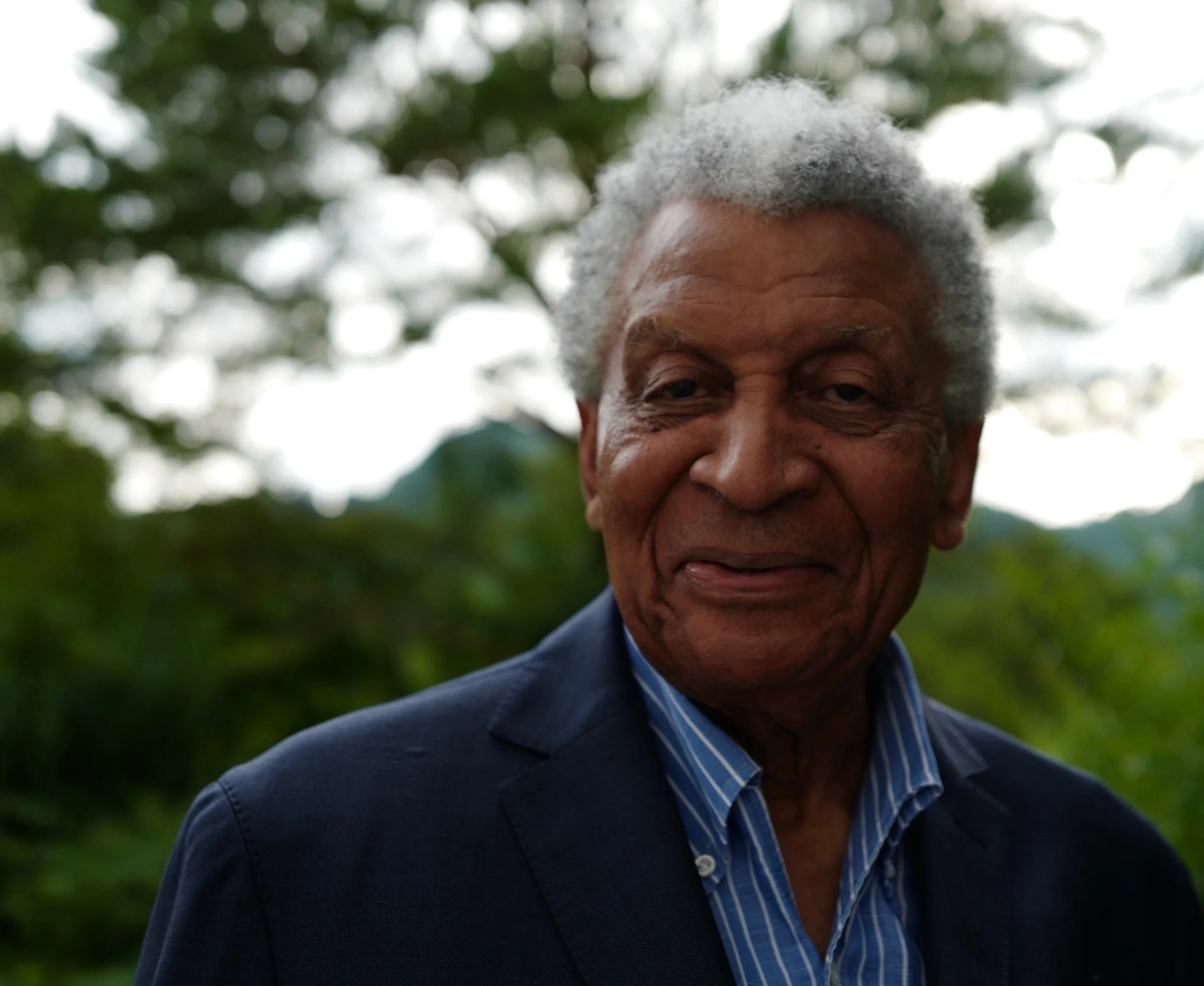
Abdullah Ibrahim
 South Africa
jazz musician•composer•pianist
Also known as: Dollar Brand, Adolph Johannes Brand
生日
October 9, 1934
星座
Libra
出生地
Cape Town, South Africa
年龄
91岁去世
简介
Abdullah Ibrahim 是一位南非钢琴家和作曲家,他通过融合非洲旋律、AME 教会福音音乐、印度拉格音乐和西方古典音乐,重塑了爵士乐。他出生于开普敦,原名 Adolph Johannes Brand,最初以 Dollar Brand 的名字引起国际关注,曾与南非第一个黑人爵士乐队 Jazz Epistles 一起演出,之后于 1962 年移居苏黎世。在那里,Duke Ellington 听到了他的演奏,并帮助他开启了全球职业生涯。
Ibrahim 的音乐常被描述为开普敦爵士乐的核心,其特点是抒情、冥想的品质,既反映了种族隔离的痛苦,也展现了他人民的韧性。他最著名的作品是 1974 年的作曲《Mannenberg》,这首歌成为了反种族隔离运动的非官方国歌。在他漫长的一生中,他录制了数十张专辑,从《African Dawn》等独奏钢琴作品到管弦乐合作,并在世界各地享有盛誉的场所演出,与 Max Roach、Carlos Ward 和 Randy Weston 等人同台献艺。
在种族隔离时期的大部分时间里,Ibrahim 流亡纽约,在 Nelson Mandela 获释后的 1990 年代初返回南非。他于 2026 年 6 月 15 日去世,享年 91 岁,作为作曲家、乐队领队和文化桥梁留下了丰富的遗产。他与歌手 Sathima Bea Benjamin 结婚,他们的女儿 Jean Grae 成为了纽约地下音乐界备受尊敬的说唱歌手。
早年生活与背景
Adolph Johannes Brand 于 1934 年 10 月 9 日出生于南非开普敦,当时这里是城市多元文化交汇的海港区。他的母亲活跃于非洲卫理公会教堂,他在这里首次接触到福音音乐,并从小就吸收了这座城市的多样化声音,包括非洲传统旋律、印度拉格音乐和西方古典音乐。
他十几岁时开始以 Dollar Brand 的名字专业演出。1959 年,他与萨克斯手 Kippie Moeketsi 和小号手 Hugh Masekela 一起创立了 Jazz Epistles,这是南非第一个黑人爵士乐队。该乐队录制了南非黑人音乐家的第一张爵士专辑,但他们的合作时间很短暂。
1962 年,Ibrahim 为寻求更大的艺术自由而移居瑞士苏黎世。在那里,他在一家俱乐部被 Duke Ellington 听到,Ellington 赏识他的才华并安排了他的首次录音,帮助他开启了国际职业生涯。这标志着他从一个有前途的本地音乐家转变为一位全球爵士乐人物。
职业发展
在 1962 年与 Duke Ellington 相遇后,Ibrahim 的国际职业生涯腾飞。他在 Ellington 的赞助下录制了几张专辑,并在欧洲和美国各地演出,与 Max Roach 和 Randy Weston 等音乐家合作。1974 年,他与他的乐队 The Sun 录制了《Mannenberg》,这是一首活泼的钢琴曲,成为了反种族隔离运动的国歌,在集会和葬礼上播放。
在整个 1980 年代,他继续发行专辑并巡演,流亡纽约。1990 年 Nelson Mandela 获释后,他返回南非,并于 1991 年在 Mandela 的就职典礼上演出。2003 年,他的专辑《African Magic》获得了格莱美提名,2007 年被南非政府授予金质伊卡曼加勋章。他一直活跃到八十多岁,于 2019 年发行了《The Balance》
职业生涯年表
公众形象与风格
名气与粉丝圈
The meditative piano of Abdullah Ibrahim resonated long after the final note faded, cementing his status as a cultural titan whose influence transcended borders. In August 2026, he stands as the 43rd most famous person from South Africa, a ranking that has held steady against shifting tides in global attention. His artistry also secured him the position of the 92nd most famous person in Classical within the same cycle, reflecting the enduring reach of his unique synthesis of African melodies and Western forms. These placements within the iFANN Global Fame Rankings capture a legacy built on dignity rather than viral chaos. Unlike modern pop phenomena driven by organized mobs, Ibrahim's audience formed a quiet community of jazz enthusiasts and scholars who revered his work through attendance and study rather than social media campaigns. There is no formal name for his fanbase, nor any record of birthday billboards or streaming chart pushes; instead, his followers engaged with his music as a form of historical preservation and spiritual connection. The absence of chaotic rituals aligns with his life's trajectory, where reverence was shown through the deep listening required to understand his compositions. While contemporary stars might rely on fan-funded projects to maintain visibility, Ibrahim's impact remained institutionalized through honors like the NEA Jazz Masters Fellowship and tributes from institutions such as Jazz at Lincoln Center. His fans did not need to organize to keep his memory alive because his music itself served as the primary vehicle for his message of resilience. This lack of frenetic fandom only amplified the solemnity of his passing, leaving a void filled by the silence of a room waiting for the next melody.
趣闻与传奇
Ibrahim converted to Islam in 1968, swapping the name Dollar Brand for Abdullah Ibrahim, a decision that marked a profound reclamation of his identity. He viewed his music as a form of prayer and maintained a calm, meditative presence on stage, often performing solo to create an intimate atmosphere. A keen chess player and painter, he spent his spare time cultivating these creative outlets alongside his musical duties. Fans often recall his daughter Jean Grae joking that she learned to rhyme before walking, having absorbed her father's rhythms daily. Though the piano was his primary instrument, he also mastered the flute and cello, and he frequently wore a distinctive cap on stage as a nod to his heritage. His compositions have been sampled by hip-hop artists, leading him to famously declare that jazz is "the music of the people." Beyond these personal details, legends surround his life, including Nelson Mandela's designation of Ibrahim as South Africa's Mozart, a comparison that elevated him to national treasure status. Another defining moment occurred in 1968 when he changed his name in London, rejecting his colonial nickname to embrace his Islamic roots. Upon returning to South Africa in 1990 after years of exile, his homecoming became a symbolic victory for the nation, marking the end of the cultural boycott. His composition "Mannenberg" remains an unofficial anthem of the anti-apartheid struggle, evoking the spirit of the Cape Flats without ever causing physical reactions like fainting crowds, but rather inspiring deep meditation and respect.
著名语录
“Music is the weapon of the future.”
“We are the children of the soil, and the soil is our mother.”
家庭与个人生活
重要关系
恋情与交往史
易卜拉欣与歌手Sathima Bea Benjamin结婚近五十年。他们于20世纪50年代末在开普敦相识,并于1965年结婚。这对夫妇一起流亡海外,Benjamin经常与他同台演出。他们育有一女,Jean Grae,生于1976年。Benjamin于2013年去世,易卜拉欣此后一直寡居,直到2026年去世。没有其他公开的恋爱关系被记录在案。
- 已婚Sathima Bea Benjamin1965 - 201320世纪50年代末在开普敦相识;结婚近五十年直至女方去世。
逝世与身后事
逝世
June 15, 2026 (享年91岁)
逝世地点
Germany
死因
Brief illness (natural causes)
The Kennedy Center and major jazz institutions issued statements honoring an eight-decade career that had produced the unofficial anthem of South Africa's fight against apartheid, while streaming platforms saw a surge in activity for his catalog, particularly Mannenberg. Tributes from The New York Times, The Guardian, and NPR described Ibrahim as a quiet giant whose music reflected both the pain of apartheid and the resilience of his people. He passed away peacefully on June 15, 2026, at the age of 91, following a brief illness in Germany.
His partner Marina Umari released an official statement confirming he died surrounded by loved ones in a private setting, though it remained unclear whether his remains were transported to South Africa for interment or buried locally. Specific details regarding funeral arrangements or notable attendees were not disclosed, likely kept private by the family. Retrospective articles from The Conversation and Syncopated Times analyzed his legacy immediately after the announcement, yet no specific posthumous album releases or hall-of-fame inductions were confirmed for the immediate weeks following his death.
身价(遗产价值)
Not publicly documented
iFANN编辑团队估算
iFANN currently estimates Abdullah Ibrahim's net worth at the time of his death in 2026 as Not publicly documented, as no credible financial outlet has published a specific figure. His wealth accumulated primarily through album sales, royalties from his extensive catalogue, including the enduring "Mannenberg," live performance fees, and composition licensing. He continued to tour and release music into his later years, with The Balance (2019) among his final works. His estate is managed by family members, though no public details on its value or revenue streams have been released. Given his long career and international acclaim, his estate likely holds significant value from royalties and licensing, but specific figures remain undisclosed.
获奖 (4)
易卜拉欣于2007年获得南非政府颁发的金质伊卡姆安加勋章(Order of Ikhamanga),并于2009年获得开普敦大学荣誉博士学位。他入选南非爵士名人堂,并在开普敦星光大道(Cape Town Walk of Fame)留下了自己的星星。他凭借《African Magic》获得2003年格莱美奖提名,但未获奖。
2007 · 国家荣誉
Lifetime achievement in music
2009 · 荣誉学位
University of Cape Town
代表作
Mannenberg
1974 · Composer and pianist
African Magic
2002 · 专辑
The Balance
2019 · 专辑
关键词
来源
速览
- 职业
- jazz musician, composer, pianist
- 出生
- October 9, 1934
- 出生地
- 开普敦, 南非
- 逝世
- June 15, 2026
- 逝世地点
- Prien am Chiemsee, Germany
- 性别
- 男
- 配偶
- Sathima Bea Benjamin
- 星座
- Libra
个人资料
- 全名
- Adolph Johannes Brand
- 配偶
- Sathima Bea Benjamin
- 子女
- Jean Grae
常见问题
阿卜杜拉·易卜拉欣的本名是什么?
阿卜杜拉·易卜拉欣最著名的歌曲是什么?
阿卜杜拉·易卜拉欣是如何去世的?
谁是阿卜杜拉·易卜拉欣的妻子?
阿卜杜拉·易卜拉欣的身价是多少?
加入社区
位粉丝正在讨论