 Spain
Spain简介
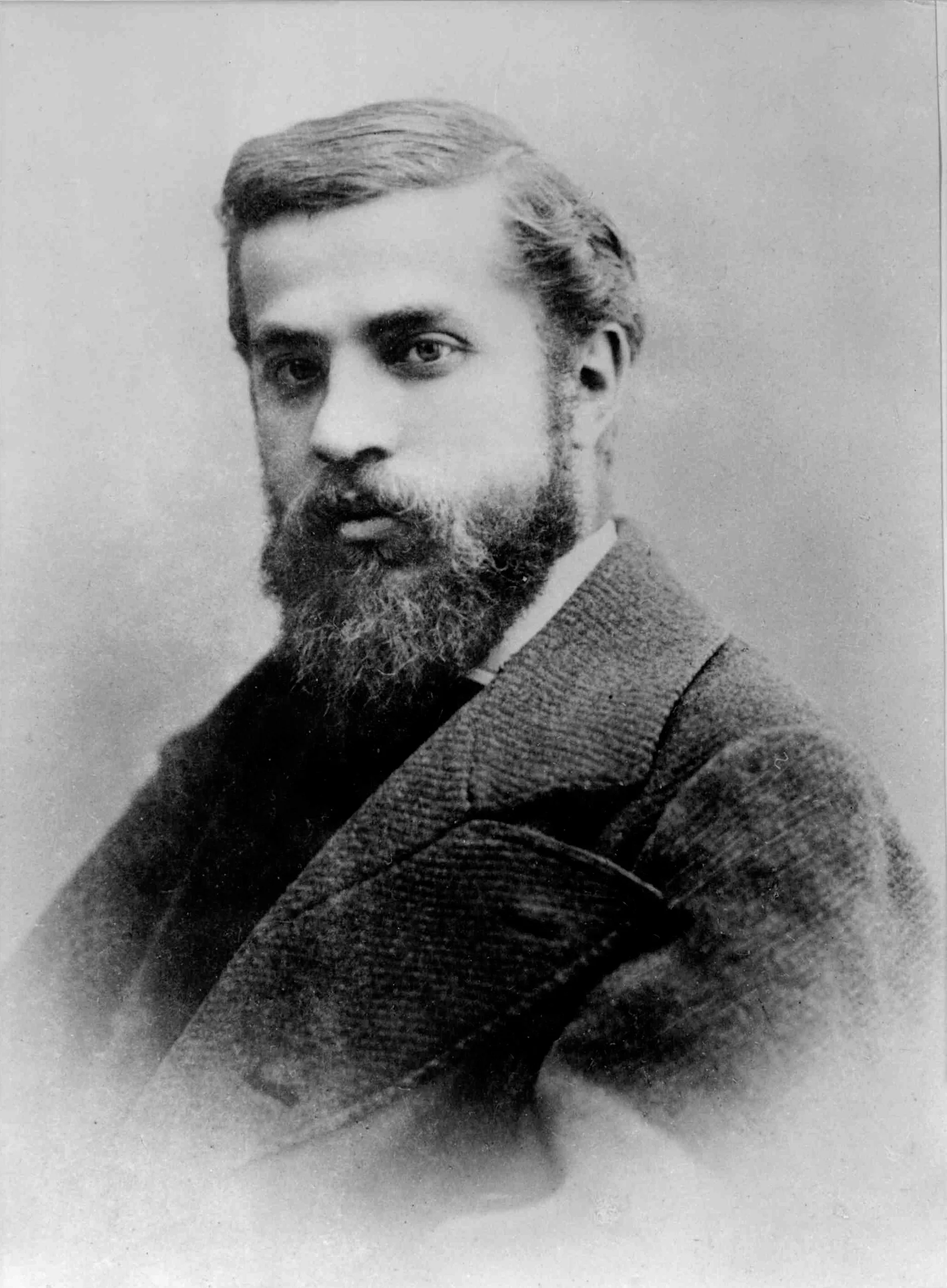
安东尼·高迪·科尔内特是加泰罗尼亚建筑师和设计师,加泰罗尼亚现代主义运动的领军人物,也是历史上最具原创性的建筑师之一。他的建筑以其流动的有机形态、鲜艳的马赛克和结构上的大胆创新,仿佛从大地中自然生长而出。他最著名的作品是圣家堂,这座位于巴塞罗那的宏伟教堂已经建造了一个多世纪,至今仍是他未完成的杰作。高迪的其他著名作品包括古埃尔公园、巴特略之家和米拉之家,每年吸引数百万游客。他摒弃直线,偏爱源于自然的曲线,并开创了如马赛克瓷砖拼贴(trencadís)等技术。晚年他虔诚而日益苦行,将生命的最后十年完全奉献给圣家堂。1926年,他被有轨电车撞倒后去世,留下的遗产继续塑造着巴塞罗那的身份,并激励着世界各地的建筑师。他的七处作品被列为联合国教科文组织世界遗产。
早年生活与背景
高迪于1852年出生在加泰罗尼亚的雷乌斯镇,尽管一些历史学家认为他的出生地是附近的里乌多姆斯村。他是家中五个孩子中最小的,父亲是铜匠。父亲的作坊让他从小就接触到金属加工和三维设计。因风湿病不能与其他孩子玩耍,他长时间观察自然、植物、动物和岩石形态,这后来成为他建筑语言的基础。
他在雷乌斯的埃斯库埃斯·皮埃斯学校学习,1868年搬到巴塞罗那,进入建筑技术高等学校学习。为了维持生计,他曾为建筑师何塞普·丰特塞雷和霍安·马托雷尔担任绘图员。他的学业成绩参差不齐;他在设计方面表现出色,但在技术科目上挣扎。尽管如此,他于1878年毕业。同年,他为一家展示柜设计的作品在巴黎世界博览会上获奖。这个柜子引起了实业家尤塞比·古埃尔的注意,后者后来成为高迪的终身赞助人。
职业发展
1883年,高迪从原建筑师弗朗西斯科·德·保拉·德尔·维拉手中接过了圣家堂项目。他将新哥特式设计彻底转变为完全属于他自己的风格,形成了一片由分支柱和尖塔组成的森林。这个项目消耗了他余生。在接下来的几十年里,他为巴塞罗那的富裕精英们创作了一系列杰作。为赞助人尤塞比·古埃尔,他建造了古埃尔宫(1886–1890),一座拥有抛物线拱门和奇幻烟囱屋顶的豪宅。随后他设计了古埃尔公园(1900–1914),最初构想为富裕家庭的花园城市。虽然商业开发失败,但公园变成了一个充满奇思妙想结构和马赛克覆盖长椅的公共空间。
巴特略之家(1904–1906)和米拉之家(1906–1910)是他最著名的住宅作品。巴特略之家的立面,带有鳞片状的龙形屋顶和骨形柱子,色彩和纹理丰富。米拉之家,又名拉佩德雷拉,拥有起伏的石质外观和烟囱战士般的屋顶。1914年,高迪放弃了所有世俗委托,全身心投入圣家堂。到1926年他去世时,大教堂仅完成了约20%。
职业生涯年表
公众形象与风格
高迪被铭记为一位有远见的天才,一位古怪的艺术家,他对工艺的投入近乎痴迷。媒体常将他描绘成一位“疯狂建筑师”,其非常规方法产生了崇高的美感。他深厚的天主教信仰为他赢得了“上帝的建筑师”的绰号。粉丝和游客涌向他的建筑,将其视为朝圣地。没有正式的同人名称,但爱好者常被称为“高迪主义者”。文化机构运营的社交媒体账号以崇敬的态度展示他的作品,强调其永恒的影响力。他的形象是一个为艺术而活、对名利漠不关心的人。
名气与粉丝圈
Antoni Gaudí commands a global presence that transcends his historical era, with his architectural legacy drawing sustained international attention through tourism and academic study. Current data from the iFANN Global Fame Rankings places him as the 24th most famous person in Spain, a position he maintains from the previous cycle. His standing among those born in his home nation is similarly secure at the 30th most famous person from Spain, while within the broader European context he holds the 35th most famous person in Europe. In the specific domain of creative professions, Gaudí ranks as the 9th most famous person in Art & Design. These placements reflect a consistent level of recognition across media coverage and cultural consumption signals worldwide. Despite this immense popularity, there is no formal fandom name documented for the architect; enthusiasts are generally described as architecture fans or Gaudí enthusiasts rather than members of an organized group with a specific moniker. The modern following manifests primarily through millions of annual visitors to Barcelona's UNESCO World Heritage sites, who engage in institutional pilgrimages rather than grassroots fan rituals.
趣闻与传奇
Gaudí maintained a vegetarian diet for much of his life, driven by religious conviction and health considerations. He eschewed traditional two-dimensional drawings, favoring three-dimensional models and on-site improvisation instead. Tragically, his original sketches and models for the Sagrada Família were destroyed during the Spanish Civil War in 1936, compelling later architects to reconstruct his vision from surviving fragments. The trencadís technique he popularized was actually invented by his collaborator, Josep Maria Jujol. In 1924, he was arrested for protesting the suppression of Catalan culture under the Primo de Rivera dictatorship. On the day he died, he wore shabby clothes and was mistaken for a beggar, receiving inadequate medical care before identification. A widely retold story of his final days describes how he was struck by a tram and, due to his ragged appearance, was taken to a poorhouse where he passed away three days later. This narrative has become a cornerstone of his lore, emphasizing his humility. Recent commemorations in 2026 marked the centenary of his death, including a solemn mass presided over by Pope Leo XIV that blessed a tower at the Sagrada Família, reinforcing his reputation as "God's Architect."
著名语录
“There are no straight lines or sharp corners in nature. Therefore, buildings must have no straight lines or sharp corners.”
“The architect is the synthesizer of all the arts.”
“Originality consists of returning to the origin.”
“My client is not in a hurry.”
家庭与个人生活
高迪是铜匠弗朗西斯科·高迪·伊·塞拉和安东尼娅·科尔内特·伊·贝尔特兰五个孩子中最小的一个。父亲的工艺使他从小就欣赏金属加工和形态。他的两个兄弟姐妹在婴儿期去世,另一个早逝,只剩下安东尼和他姐姐。他从未结婚,也没有孩子。晚年他过着苦行生活,经常穿着破旧的衣服,饮食简陋。1925年,他搬进了圣家堂工地的一个工作间,离他的工作更近,一年后去世。
重要关系
尤塞比·古埃尔,他的赞助人和朋友,委托了高迪许多最伟大的作品。何塞普·玛丽亚·朱约尔合作完成了马赛克瓷砖拼贴。霍安·马托雷尔指导了高迪,并推荐他参与圣家堂项目。路易斯·多梅内克·伊·蒙塔内尔是加泰罗尼亚现代主义运动中的同时代人和对手。
恋情与交往史
安东尼·高迪从未结婚,也没有任何可信的历史记录表明他有恋爱关系。人们普遍认为他保持独身,将全部精力奉献给天主教信仰和建筑事业。一些传记作者暗示他年轻时对一位名叫Josepa Moreu的女性有过单恋,但这未经证实。截至2026年,高迪已去世,从未有过已知的恋人。
逝世与身后事
逝世
June 10, 1926 (享年73岁)
逝世地点
Barcelona, Catalonia, Spain
死因
Complications from tram accident injuries
Antoni Gaudí died on June 10, 1926, in Barcelona, Spain, at the age of 73. The architect was struck by a tram near the intersection of Carrer de Bailèn and Passeig de Gràcia while walking to the Church of Sant Felip Neri for his daily prayers around 5:00 PM. He was initially taken to the Hospital de la Santa Creu i Sant Pau where he was identified only as "a tramp" due to his worn clothing and lack of identification; medical staff did not recognize him until later that day when a passerby confirmed his identity. The official cause of death was complications resulting from the tram accident, specifically gangrene and subsequent sepsis caused by severe injuries to his legs and body. Public reaction shifted rapidly once his identity was established, evolving from initial neglect into widespread mourning among peers, institutions, and officials who recognized the loss of Barcelona's greatest architectural mind.
His funeral was held shortly after the accident, likely within days of June 10, 1926, and he was buried in the crypt of the Sagrada Família, fulfilling his wish to be interred in the temple he had dedicated his final years to constructing. Posthumously, Gaudí received numerous honors including the designation of seven of his works as UNESCO World Heritage Sites between 1984 and 2005. In 2026, the centenary of his death sparked significant commemorative events, such as the restoration of the third floor of Casa Batlló and the release of LEGO sets honoring his work.
身价(遗产价值)
$10 Million
iFANN编辑团队估算
Per iFANN's editorial analysis, Antoni Gaudí's posthumous net worth stands at $10 Million as of 2026, representing the value of his intellectual property and estate legacy. During his lifetime, the architect lived frugally and frequently declined payment for his work on the Sagrada Família. At the time of his death in 1926, his personal estate consisted largely of effects and unfinished models. Today, the Sagrada Família generates approximately €100 million annually in ticket sales, managed by the Junta Constructora foundation. Park Güell, Casa Batlló, and Casa Milà also attract millions of visitors, contributing over €1 billion annually to Barcelona's tourism economy. Licensing and merchandise related to Gaudí's designs add further revenue streams. However, these funds are directed toward various foundations and city entities rather than a personal estate. The $10 Million figure reflects the estimated value of his remaining copyrights and legacy assets.
获奖 (1)
高迪生前获得的正式奖项很少。1900年,他的卡尔维特之家获得了巴塞罗那市议会年度最佳建筑奖,这是他唯一有记载的建筑奖项。去世后,他的作品获得了七项联合国教科文组织世界遗产称号。
1900 · 建筑学
Casa Calvet
代表作
Sagrada Família
1883 · Architect
Park Güell
1914 · Architect
Casa Batlló
1906 · Architect
Casa Milà (La Pedrera)
1910 · Architect
Palau Güell
1890 · Architect
关键词
速览
- 职业
- architect, designer, drafter
- 出生
- +1852-06-25
- 出生地
- Reus
- 逝世
- +1926-06-10
- 逝世地点
- Barcelona
- 性别
- 男
- 星座
- Cancer
个人资料
- 全名
- Antoni Gaudí i Cornet
- 身高
- 5 ft 5 in (165 cm)
- 教育
- Escola Tècnica Superior d'Arquitectura, Barcelona
常见问题
安东尼·高迪去世时多大年纪?
2026年安东尼·高迪的身价是多少?
安东尼·高迪有孩子吗?
圣家堂何时完工?
安东尼·高迪最著名的成就是什么?
加入社区
位粉丝正在讨论