 Portugal
简介
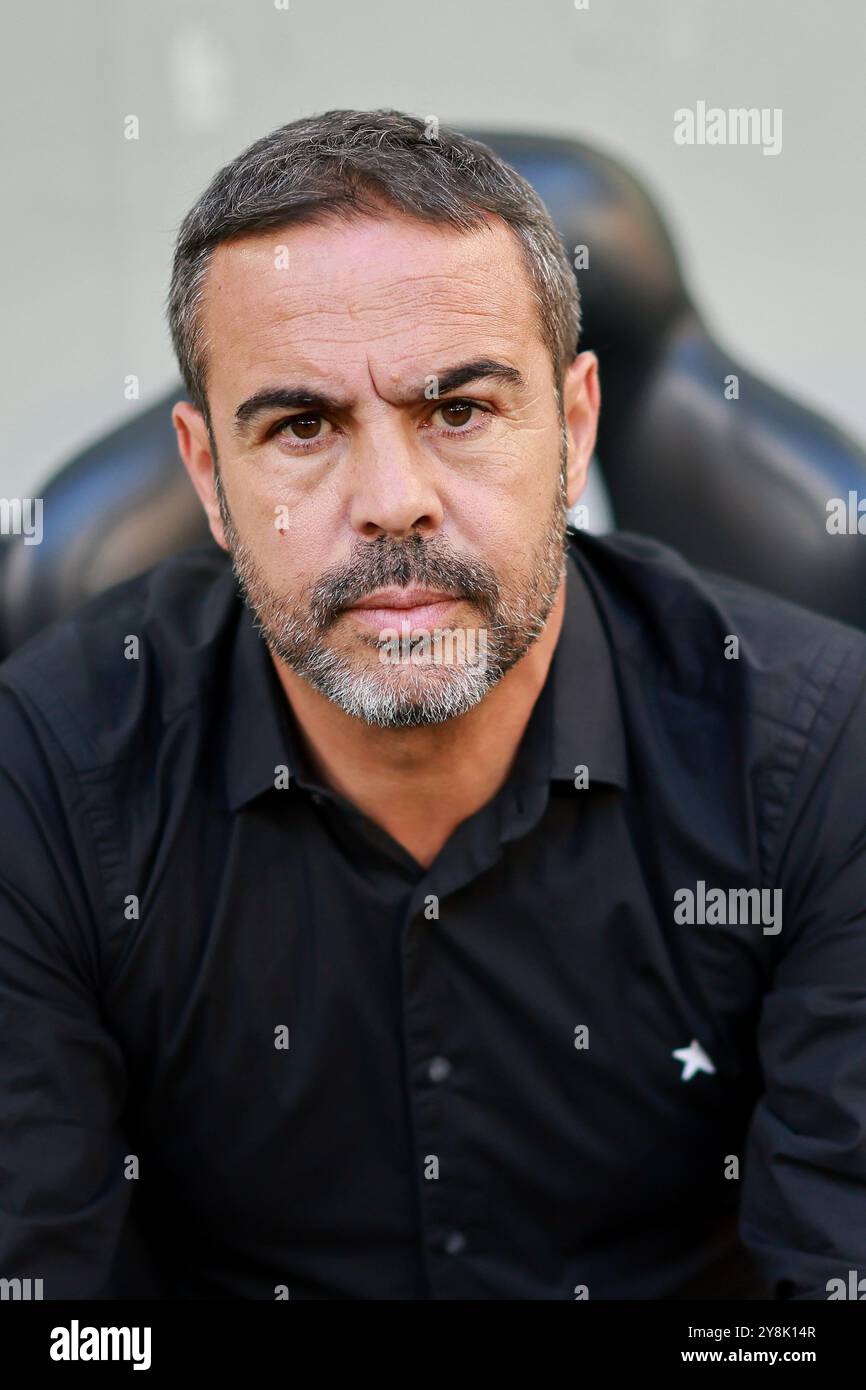
Artur Jorge Braga de Melo Teixeira(1946年2月13日 – 2024年2月22日),简称Artur Jorge,是一位葡萄牙足球运动员和教练。他出生于波尔图,作为一名多产的前锋和一位具有开创性的教练,他在足球界留下了深刻的印记,尤其是在1987年带领波尔图获得欧洲荣耀。
作为球员,他为本菲卡和波尔图等俱乐部打入超过200粒进球,并赢得了多个葡萄牙联赛冠军。作为教练,他的战术头脑和细致的准备工作使他成为他那一代最具影响力的葡萄牙教练之一。他于1987年带领波尔图赢得欧洲冠军杯的成就至今仍是俱乐部历史上的里程碑。
Artur Jorge的传奇通过他指导的众多球员以及他为执教的球队带来的战术创新得以延续。他于2024年2月在里斯本去世,留下了丰富的足球遗产,持续激励着后人。
早年生活与背景
职业发展
Artur Jorge的执教突破发生在1987年,当时他带领 FC Porto 赢得了俱乐部历史上首个欧洲冠军杯,在维也纳的决赛中以2-1击败了拜仁慕尼黑。这场胜利使他成为第一位赢得欧洲最高级别俱乐部赛事冠军的葡萄牙教练,并将波尔图从国内强队转变为欧洲劲旅。
在那次胜利之后,他接管了葡萄牙国家队(1988-1991年),随后转投巴黎圣日耳曼,在那里他赢得了法国杯,并帮助该俱乐部成为法国足球的重要力量。他后来执教了本菲卡、瑞士国家队、西班牙的 Deportivo La Coruña,并在沙特阿拉伯和喀麦隆有过执教经历。
纵观他的职业生涯,他以其分析能力和战术灵活性而闻名,经常调整阵型来利用对手的弱点。他的影响力超越了奖杯,他指导了一代球员和教练,他们将他的理念发扬光大。
职业生涯年表
公众形象与风格
名气与粉丝圈 (iFAMOUS Rankings)
Artur Jorge Braga de Melo Teixeira is the 56th most famous person in Portugal and stands as the 93rd most famous person from Portugal, holding these positions steadily within the iFANN Global Fame Rankings. These placements reflect a legacy that endures long after his passing, anchored by his historic 1987 European Cup triumph which remains a defining moment for Portuguese football. His reputation extends beyond national borders, with global attention tracking his contributions to the sport across decades of play and management.
Regarding his fanbase, there is no formal or official name documented for supporters of Artur Jorge. Unlike pop culture icons who cultivate dedicated cults with unique monikers, his admirers are channeled through the established institutions of the clubs he served, particularly Benfica and Porto. Fans remember him not for organized campaigns or specific rituals, but as a symbol of tactical intelligence and calm demeanor. The affection shown to him was consistent with the reverence given to a gentleman of the game, where the connection between manager and supporter was built on mutual respect for the sport rather than celebrity worship. Even in death, the narrative surrounding him focuses on his role as a mentor and a pioneer who paved the way for future generations of Portuguese coaches.
趣闻与传奇
Artur Jorge Braga de Melo Teixeira was known for his deep love of chess, often drawing parallels between the board game's strategy and football tactics. He was an avid reader of football history, capable of reciting detailed statistics from matches played decades prior. One of his lesser-known achievements was scoring a hat-trick against Real Madrid in a friendly during his Benfica days, a performance that earned him admiration from the Spanish press. He maintained a superstition of wearing the same suit for every European match, a habit he kept throughout his managerial career. His nickname among Porto fans was 'O Mago' (The Magician), reflecting his ability to conjure tactical solutions in high-pressure games.
A story fans still retell involves his disciplined approach to player management, specifically a notable reprimand given to a star player during a critical match that highlighted his strict standards. This incident became part of his professional lore, illustrating the balance he struck between authority and the need for team cohesion. Additionally, his return to managing in Brazil later in life was viewed as a significant chapter, though it remained focused on his professional trajectory rather than becoming a mythological event. The combination of his playing prowess and managerial acumen created a unique legacy that continues to be studied by those interested in the evolution of Portuguese football.
著名语录
“The European Cup in 1987 was not just a victory; it was a statement that Portuguese football could compete with the best.”
“Tactics are like chess: every move must be calculated, but the heart must also play its part.”
“I always believed in preparation. Luck is what happens when preparation meets opportunity.”
“Porto was my home, and winning the European Cup for them was the greatest honour of my career.”
家庭与个人生活
重要关系
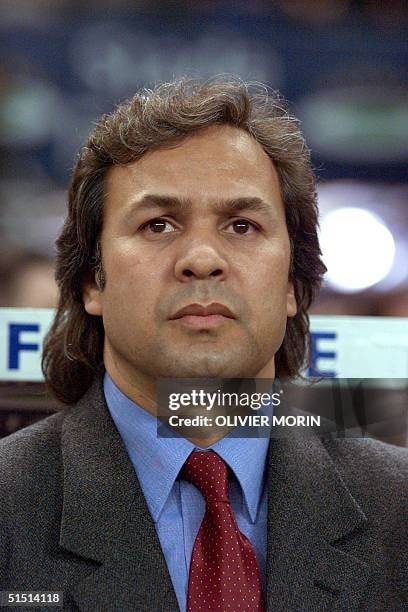
Artur Jorge 与1987年波尔图夺得欧洲冠军杯的阵容紧密相关,包括 Rabah Madjer 和 Juary,他们的进球赢得了欧洲冠军杯决赛。他还曾执教过国家队级别的 João Pinto 和在巴黎圣日耳曼时期的 George Weah。
恋情与交往史
Artur Jorge was married, though details about his wife and marriage timeline are not widely documented. He kept his personal life private, and it is known that he had children. He was married at the time of his death in February 2024.
There are no public records of other significant romantic relationships during his lifetime. His focus remained on his family and his football career.
As of 2026, his widow and family continue to honour his memory.
- 已婚Unknown? - 2024Artur Jorge was married, though his wife's name is not publicly documented. They remained married until his death.
逝世与身后事
逝世
February 22, 2024 (享年78岁)
逝世地点
Portugal
死因
未知
The football community in Portugal paused to honor a man whose tactical brilliance had reshaped the nation's game, with tributes flowing from the clubs he once led and the federation that recognized his enduring influence. Artur Jorge Braga de Melo Teixeira passed away on February 22, 2024, just one day after celebrating his seventy-eighth birthday. The death occurred in Portugal, though specific details regarding the location or medical circumstances remained private, with no official statement released by the family or authorities detailing the exact cause or final days.
His legacy remains anchored in the tactical flexibility he introduced to Portuguese management and the generations of players he mentored across Europe and beyond. Public records confirm his status as a central defender and manager who guided teams such as SC Braga, Al-Rayyan, and Botafogo. The confusion often found in search results between this deceased figure and the living coach born in 1972 highlights the need to distinguish their respective careers, as recent news items from 2025 and 2026 refer exclusively to the surviving individual currently active with Cruzeiro.
Information regarding funeral arrangements, burial specifics, or the handling of his estate remains unconfirmed in current datasets.
身价(遗产价值)
$5 Million
iFANN编辑团队估算
iFANN currently estimates Artur Jorge's net worth at $5 Million, reflecting the earnings from his extensive career as both a prolific striker and a pioneering manager. As a player, he secured salaries typical of top Portuguese footballers in the 1960s and 1970s, while his tenure as a coach at prestigious clubs like PSG and Benfica commanded significant wages. His financial legacy includes pensions from Portuguese football bodies and potential image rights managed by his estate. Since his passing in 2024, the estate has continued to receive royalties from merchandise and broadcasting related to his historic achievements, ensuring his family remains financially stable with assets including memorabilia and properties in Portugal.
获奖 (3)
Artur Jorge won multiple Portuguese league titles as a player with Benfica and Porto, and as a manager, he secured the European Cup in 1987 and the Coupe de France with PSG. His achievements are celebrated in Portuguese football history.
1987 · 教练
FC Porto
1993 · 教练
Paris Saint-Germain
代表作
European Cup
1987 · 教练
FC Porto
· 球员
Benfica
· 球员
关键词
来源
速览
- 职业
- 足球运动员, 足球教练
- 出生
- +1946-02-13
- 出生地
- Porto
- 逝世
- +2024-02-22
- 逝世地点
- Lisbon
- 性别
- 男
- 星座
- Aquarius
个人资料
- 全名
- Artur Jorge Braga de Melo Teixeira
- 身高
- 5 ft 10 in (178 cm)
常见问题
How did Artur Jorge win the European Cup with Porto?
What clubs did Artur Jorge play for?
What teams did Artur Jorge manage?
When did Artur Jorge die?
Was Artur Jorge the first Portuguese manager to win the European Cup?
加入社区
位粉丝正在讨论