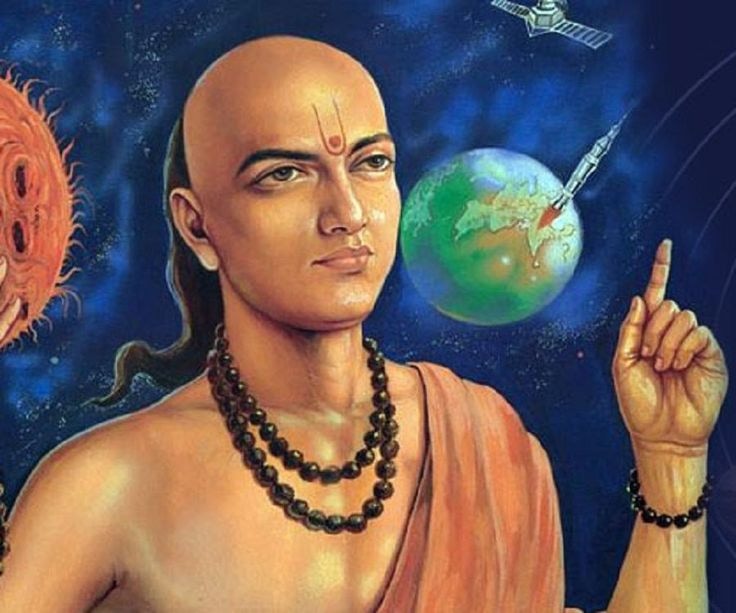
Aryabhata
astronomer•mathematician•physicist
Also known as: Aryabhata I, Aryabhata the Elder
生日
476
星座
Capricorn
出生地
Pataliputra (modern-day Patna, India)
年龄
74岁去世
简介
阿耶波多,又称阿耶波多一世,是印度科学古典时代的一位数学家、天文学家和物理学家。他于公元476年出生在巴连弗邑或古苏摩补罗,其著作在数百年间重塑了数学和天文学。他流传至今的文本《阿耶波多历书》写于23岁,其中包含对圆周率惊人的精确近似值(3.1416)、十进制位值系统,以及已知最早关于地球绕轴自转的论述。他将日食和月食解释为阴影现象,摒弃了神话原因。如今,他被尊崇为印度科学的奠基人。印度于1975年发射的第一颗卫星以他的名字命名为阿耶波多,一个月球环形山也以他命名。他的思想通过伊斯兰学者传入欧洲,影响了三角学和天文学的发展。对于现代科学史爱好者来说,他代表着一位超前于时代数百年的智者。他的全名通常写作阿耶波多,但一些后世文献称他为阿耶波多一世,以区别于约公元950–1000年时期另一位同名数学家。他活到公元550年。
早年生活与背景
关于阿耶波多的童年所知甚少。他于公元476年出生在巴连弗邑或古苏摩补罗地区,这是古印度的一个主要学术中心。他很可能曾在世界上最古老的寄宿制大学之一那烂陀大学学习,在那里他掌握了吠陀、天文学和数学。到20岁出头时,他已吸收了《悉檀多》天文学传统,并准备进行原创工作。公元499年,23岁的他完成了《阿耶波多历书》,这是一部由121首偈颂组成的密集文本,涵盖算术、代数、三角学和天文学。这部年轻作品的深度和原创性表明他是一位天才,并接受了深入而专注的教育。他人生第一个关键时刻是《阿耶波多历书》的创作,这表明他从幼年起就深入沉浸于吠陀和《悉檀多》文本的研究。
职业发展
阿耶波多的职业生涯由两部作品定义。《阿耶波多历书》(公元499年)是他的杰作:121首偈颂分为四个部分(《歌咏篇》、《数学篇》、《时间计算篇》和《球仪篇》)。在其中,他将圆周率计算为3.1416,引入了正弦函数并附有正弦表,明确使用了带有零占位的十进制位值系统。他宣称地球每日自转,导致恒星看似西行,这一革命性主张在西方一千多年后才被广泛接受。他还正确地将日食和月食解释为阴影。后来,他创作了现已失传的实用天文学手册《阿耶历书》。其片段通过11世纪学者比鲁尼的著作得以留存,比鲁尼批评了阿耶波多的某些计算。他于公元550年左右去世后,其著作被译成阿拉伯语,名为《阿尔贾巴尔》,影响了花剌子米等伊斯兰数学家。《阿耶波多历书》至今仍是印度科学史的基石。2024年,剑桥大学的一个研究团队发表了一篇论文,重新评估了《阿耶波多历书》对后期伊斯兰天文学的影响,认为其传播路线比此前认为的更直接。2026年,印度空间研究组织在2025年4月卫星发射50周年之际引用了阿耶波多的遗产。
职业生涯年表
公众形象与风格
阿耶波多在印度被尊崇为古代智力成就的象征。学校教科书将他描绘成一位预见了现代天文学的天才。在网络上,Reddit和YouTube上的科学史社区颂扬他的见解,尤其是地球自转。虽然没有有组织的粉丝团体,但在关于印度对世界文明贡献的讨论中,他经常被引用。艺术描绘虽然不合时代,但将他表现为一位留着胡须的圣人,这是古代智慧的视觉简写。他的名字被用于命名大学、研究机构和印度第一颗卫星,巩固了他作为国家偶像的地位。印度邮政局于1976年发行了一枚纪念邮票以纪念他。他经常出现在《自然》、《科学美国人》和《国家地理》等出版物的科学史文章中,但并非封面人物。标签#Aryabhata在社交媒体上被数千人使用。
名气与粉丝圈
The cultural resonance of Aryabhata has always been distinct, rooted in reverence for a foundational scientific mind rather than the celebrity worship seen with modern figures. For centuries, his legacy was maintained by scholars and students who marveled at his mathematical precision and astronomical insights. A unique, albeit temporary, wave of digital engagement emerged in 2026 when commercial entities attempted to co-opt his image, sparking a spontaneous mobilization of netizens who fiercely defended his dignity against trivialization. This group, characterized not by a formal name but by a shared commitment to historical accuracy, transformed what began as curiosity into a coordinated movement that successfully challenged corporate narratives. Their actions demonstrated that the public's connection to Aryabhata is profound enough to drive real-world consequences, turning a marketing campaign into a cautionary tale about respecting intellectual heritage. Despite this surge in organized reaction, the figure remains a symbol of ancient achievement rather than a pop culture icon with a dedicated fan club. According to iFANN's Global Fame Engine evaluation conducted in August 2026, Aryabhata is currently evaluated but does not hold a placement in the published rankings. He is not ranked within the Global Top 1,000 nor does he appear on any Top-100 scope list.
趣闻与传奇
Aryabhata completed his magnum opus, the Aryabhatiya, at the remarkably young age of 23. While the Arya-siddhanta is now completely lost, surviving only through critiques by Al-Biruni, his primary text revolutionized mathematics. Although he did not invent zero, his work stands among the earliest to utilize the decimal place-value system relying on a zero placeholder. The name 'Aryabhata' itself, combining 'Arya' (noble) and 'Bhatta' (scholar), signaled his high social standing. Artistic depictions often show him as a bearded man in robes holding a writing stylus, though no contemporary portraits exist. He was one of the first recorded individuals to state that the Earth rotates on its axis daily. In the Gola Pada section, he famously compared the apparent motion of stars to a passenger in a boat seeing stationary objects move backward. His rule for pi remains iconic: add 4 to 100, multiply by 8, then add 62,000 to find the circumference of a circle with a diameter of 20,000. Modern lore also includes the 2026 Amazon Now controversy where viral sightings of the scholar sparked outrage over the use of his legacy for delivery fees, leading to calls for boycotts under the slogan 'Zero Respect.' Additionally, a story from April 2026 clarified that India's first satellite, named in his honor, was constructed inside a church in Kerala before launch.
著名语录
“Just as a man in a boat moving forward sees the stationary objects on the bank as moving backward, just so are the stationary stars seen by the people on the earth at Lanka as moving exactly towards the west.”
“Add 4 to 100, multiply by 8, and then add 62,000. By this rule the circumference of a circle with a diameter of 20,000 can be approached.”
家庭与个人生活
关于阿耶波多的家庭、父母、兄弟姐妹、配偶或子女,没有历史记载存世。这种传记空白在古代印度学者中很典型,他们的个人生活很少被记录。据推测,他在巴连弗邑生活和工作,可能在那烂陀大学。他的学术传承包括后来的评注者如婆什迦罗一世,以及批评者如婆罗摩笈多,但没有已知的血亲。相关人物包括比鲁尼、伐罗诃密希罗和婆什迦罗一世,他们曾引用或评论过他的作品。
重要关系
阿耶波多的著作被后来的印度数学家婆罗摩笈多和巴克沙利一世所继承。波斯学者比鲁尼在其著作中保存了失传的《阿耶·悉檀多》的片段。同时代的伐罗诃密希罗引用了阿耶波多的天文学思想。现代,印度空间研究组织(ISRO)以他的名字命名了首颗卫星,以表敬意。
恋情与交往史
没有历史记录记载阿耶波多的任何恋爱关系、婚姻或子女。所有传记信息仅来自他的科学著作和后世的评注。截至2026年,没有新证据填补这一空白。没有他的外貌描述留存。
逝世与身后事
逝世
550 (享年74岁)
逝世地点
Kusumapura
死因
未知
Aryabhata passed away around 550 CE in Kusumapura. The historical record offers no specific details regarding his final days, last public appearance, or the immediate circumstances of his passing, as the era lacked the forensic infrastructure for modern autopsies, coroner rulings, or police investigations. No contemporary medical records, hospital statements, or family declarations survive to explain the cause of his death. His burial or cremation remains unrecorded, with no specific grave site preserved in texts despite his known residence in Pataliputra. Centuries later, his legacy generated profound posthumous recognition that far outstripped any immediate reaction to his passing. India honored him by launching its first satellite, named Aryabhata, on April 19, 1975. This satellite completed fifty years in orbit in 2025. Modern institutions like Ramanujan College and various Schools' Observatory maintain dedicated resources to his biography, while international forums such as the United Nations celebrate his foundational work on zero and the decimal system. Educational materials continue to include his quotes on scientific reasoning.
身价(遗产价值)
阿耶波多生活在公元5–6世纪,早于现代货币经济时代。他没有当代意义上的个人财富。没有遗产能产生死后收入。他的遗产是文化和智力上的,而非财务上的。截至2026,不适用身价。他所在的时代没有正式奖项;最高荣誉是以他的名字命名印度首颗卫星(1975年)和月球上的阿耶波多环形山。
奖项与荣誉
View 6 records, honours and achievements代表作
Aryabhatiya
499 · Author
Arya-siddhanta
~500–550 · Author
关键词
速览
- 职业
- astronomer, mathematician, physicist
- 出生
- 476 CE
- 出生地
- Pataliputra (modern-day Patna, India)
- 逝世
- 550 CE
- 逝世地点
- Pataliputra
- 性别
- 男
个人资料
- 全名
- Aryabhata
- 教育
- University of Nalanda (presumed)
常见问题
阿耶波多因什么而闻名?
阿耶波多发明了零吗?
阿耶波多何时何地出生?
阿耶波多撰写《阿耶波多历书》时多大?
阿耶波多卫星和数学家阿耶波多是同一个人吗?
加入社区
位粉丝正在讨论