 China
China简介
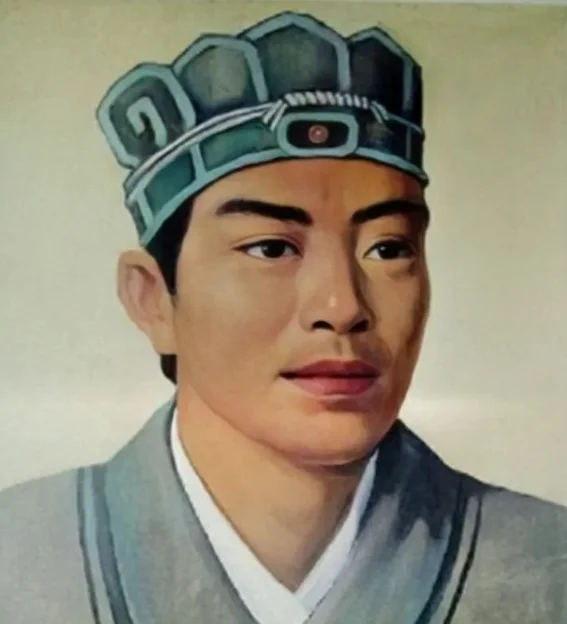
蔡伦,西方人称之为蔡伦,是中国东汉的一名宦官和宫廷官员,他的造纸术革新改变了世界。他约在公元 50-62 年出生于现在的湖南耒阳,约在公元 75 年进入洛阳的皇宫。他在明帝、章帝和和帝的统治下任职,从太监升任小黄门(皇帝的侍从)。他的政治智慧帮助窦氏(即后来的邓太后)确立其养子为皇位继承人,这使他被任命为最高宦官职位中常侍,并兼任尚方令,负责管理宫廷作坊。在那里,他改进了乐器和武器的生产,赢得了精湛工艺的美誉。但他的最重要贡献出现在公元 105 年:一种使用树皮、麻头、破布和渔网的新造纸工艺。这项创新使纸张更便宜、更丰富,取代了竹简和丝绸,并传播到整个帝国。蔡伦因此获得了财富、侯爵封号和龙亭侯的封地。公元 110 年,邓太后任命他负责监督学者修订《五经》。然而,在邓太后于公元 121 年去世后,蔡伦被牵连进早前宋贵人(皇帝的祖母)的死亡事件。面对耻辱和可能的处决,他在同年于洛阳自杀。蔡伦的创新被认为是中国四大发明之一,与指南针、火药和印刷术并列。尽管他在东亚以外几乎不为人知,但在中国他被尊为造纸之神,而他的故乡至今仍是造纸业的中心。
早年生活与背景
蔡伦出生于一个普通家庭,来自桂阳郡(今湖南耒阳),年少时入宫,并净身成为一名宦官。在汉代中国,这对于出身低微的家庭来说是寻求晋升的常见途径。他大约在公元 75 年汉明帝时期开始在洛阳的宫廷服务。他的早期教育包括宫廷礼仪、读写和行政事务的培训。他最初的晋升是通过担任小黄门(皇帝的侍从)来实现的,这是一个涉及管理宫廷通信的初级宦官职位。当他与窦皇后结盟,帮助她确立其养子刘肇(后来的和帝)为皇太子时,一个关键时刻到来了。这一政治举动大大提升了蔡伦的地位。
职业发展
公元 88 年,蔡伦被任命为小黄门(皇帝的侍从),这是一个负责处理宫廷通信的中级宦官职位。由于他在窦皇后的政治活动中发挥了作用,到公元 92 年,他被提升为中常侍(宫廷常侍),这是最高级别的宦官职位。公元 97 年,他成为尚方令(宫廷作坊主管),负责监督武器、乐器和奢侈品的生产。公元 105 年,他向和帝呈上了改进的造纸工艺,使用树皮、麻头、破布和渔网制造出耐用、价格合理的纸张。公元 110 年,邓太后(即窦皇后)任命他负责监督《五经》的学术修订,这是一个重要的皇室项目。公元 114 年,他被授予龙亭侯的爵位,并拥有 300 户的封地。在邓太后于公元 121 年去世后,蔡伦被牵连进公元 97 年宋贵人(安帝的祖母)的死亡事件。被命令向监狱当局报到后,他沐浴更衣,身着正式礼服,饮毒酒自杀。
职业生涯年表
公众形象与风格
在中国,蔡伦被誉为技术民族英雄。中国流行文化将他描绘成一位智慧的、留着胡须的学者兼工匠,这是一种时代错位的描绘,因为宦官是没有胡须的。他的形象与中国传统造纸工艺相关联:竹帘、桑树皮和纸浆池。造纸爱好者、中国历史爱好者和技术史学家形成了一个松散的兴趣群体。耒阳的蔡伦纸文化节每年吸引数千人参加,活动包括造纸比赛和历史重演。中国电视剧将他描绘成一个被宫廷政治所毁的悲剧天才,而西方纪录片则侧重于他的技术贡献。
名气与粉丝圈
The legacy of Cai Lun is a quiet monument rather than a roaring crowd, defined by the sheer endurance of his invention rather than the fleeting heat of celebrity. For nearly two millennia, he has stood as a singular figure in Chinese history, revered not for performance or persona but for the fundamental shift he brought to human communication. While modern fans might rally behind living idols with organized campaigns and social media hashtags, Cai Lun's admirers are a diffuse collection of historians, papermaking enthusiasts, and cultural pilgrims who visit sites like the Cai Lun Paper Culture Museum in Weifang. There is no formal fandom name attached to his memory, nor are there rituals of fainting crowds or fan-funded billboards; his 'fanbase' is simply anyone who has ever held a sheet of paper.
Despite this lack of modern celebrity machinery, his global standing remains remarkably robust within the canon of historical figures. The iFANN Global Fame Rankings place him as the 66th most famous person from China, a position he has held steady across recent cycles. This ranking reflects a sustained, deep-rooted recognition that transcends regional borders, anchoring him firmly among the titans of Eastern innovation. His status is not built on viral moments or trending topics, but on the silent, ubiquitous presence of his work in every corner of the world.
趣闻与传奇
Archaeological evidence confirms that paper-like materials existed in China as early as the 2nd century BCE, yet Cai Lun's contribution was standardizing and refining the manufacturing process to make paper affordable for widespread use. He bathed, donned his finest formal robes, and drank poison rather than face public execution, a common dignified suicide practice for disgraced Han officials. Recent scholarship suggests Cai Lun oversaw a team of craftsmen at the Imperial Workshops, meaning his role was more administrative than hands-on.
The story of his invention remains the central legend of his life. Around 105 CE, he is credited with innovating the method by using tree bark, hemp ends, old rags, and fishnets to create a pulp suitable for writing. While some scholars view this as a consolidation of gradual technological evolution, the narrative of the imperial acceptance of his invention stands as his defining moment. Emperor Hedi recognized the utility of the new material, leading to its adoption across China and eventually the world. Papermaking spread from China to Korea and Japan by the 7th century, reached the Islamic world by the 8th century, and arrived in Europe by the 12th century. Despite his enormous impact, Cai Lun was virtually unknown in Europe until the 19th century when Jesuit missionaries translated Chinese historical texts.
著名语录
“In ancient times, writings and records were inscribed on bamboo tablets or on silk cloth. But silk being expensive and bamboo heavy, they were not convenient for use.”
“Cai Lun was ashamed and bathed himself, put on his formal robes and cap, and drank poison to end his life.”
“His paper has carried the wisdom of humanity for two thousand years.”
家庭与个人生活
除了出生地耒阳之外,蔡伦的家庭背景一无所知。作为一名童年入宫的宦官,他没有配偶、子女或恋爱关系。没有任何历史记录提及他的父母、兄弟姐妹或任何家庭成员。他的教育仅限于宫廷培训,而非正规的学术研究。
重要关系
蔡伦的政治恩人是窦皇后,他帮助她确立了和帝的继位。和帝在公元 105 年接收了造纸工艺的革新。邓太后任命他负责监督《五经》修订项目;她的去世使他变得脆弱。宋贵人,她在公元 97 年的死与蔡伦有关,成了他被起诉的罪名。安帝,宋贵人的孙子,下令起诉蔡伦。
恋情与交往史
蔡伦没有记载中的恋爱关系、婚姻或伴侣。由于他是自幼在皇宫中 serving 的宦官,他生理上无法结婚或生育子女。没有任何历史记载提及任何恋爱或性关系。
身价(遗产价值)
蔡伦于公元121年去世,比现代货币体系早了近1900年。他目前没有身价。在他生前,他的财富来源于作为中常侍和尚方令的皇室薪饷,以粮食和丝绸衡量;他拥有的300户封地,以粮食和当地产品纳税;以及因其造纸创新而获得的皇帝赠予的黄金、丝绸和贵重物品。如今已不存在他的遗产。他的创新属于公共领域,没有后代或遗产管理者收取版税。他的家乡耒阳建有纪念祠和博物馆,但这些都是国家经营的机构。
奖项与荣誉
View 6 records, honours and achievements代表作
Improved papermaking process
105 CE · Inventor
关键词
速览
- 职业
- inventor, politician, eunuch
- 出生
- c. 48-62 CE
- 出生地
- Leiyang, Hunan, China
- 逝世
- 121 CE
- 逝世地点
- Luoyang, China
- 性别
- 男
个人资料
- 全名
- Cai Lun
常见问题
蔡伦是怎么死的?
蔡伦发明了什么?
蔡伦是哪一年出生的?
蔡伦是宦官吗?
蔡伦为何重要?
加入社区
位粉丝正在讨论