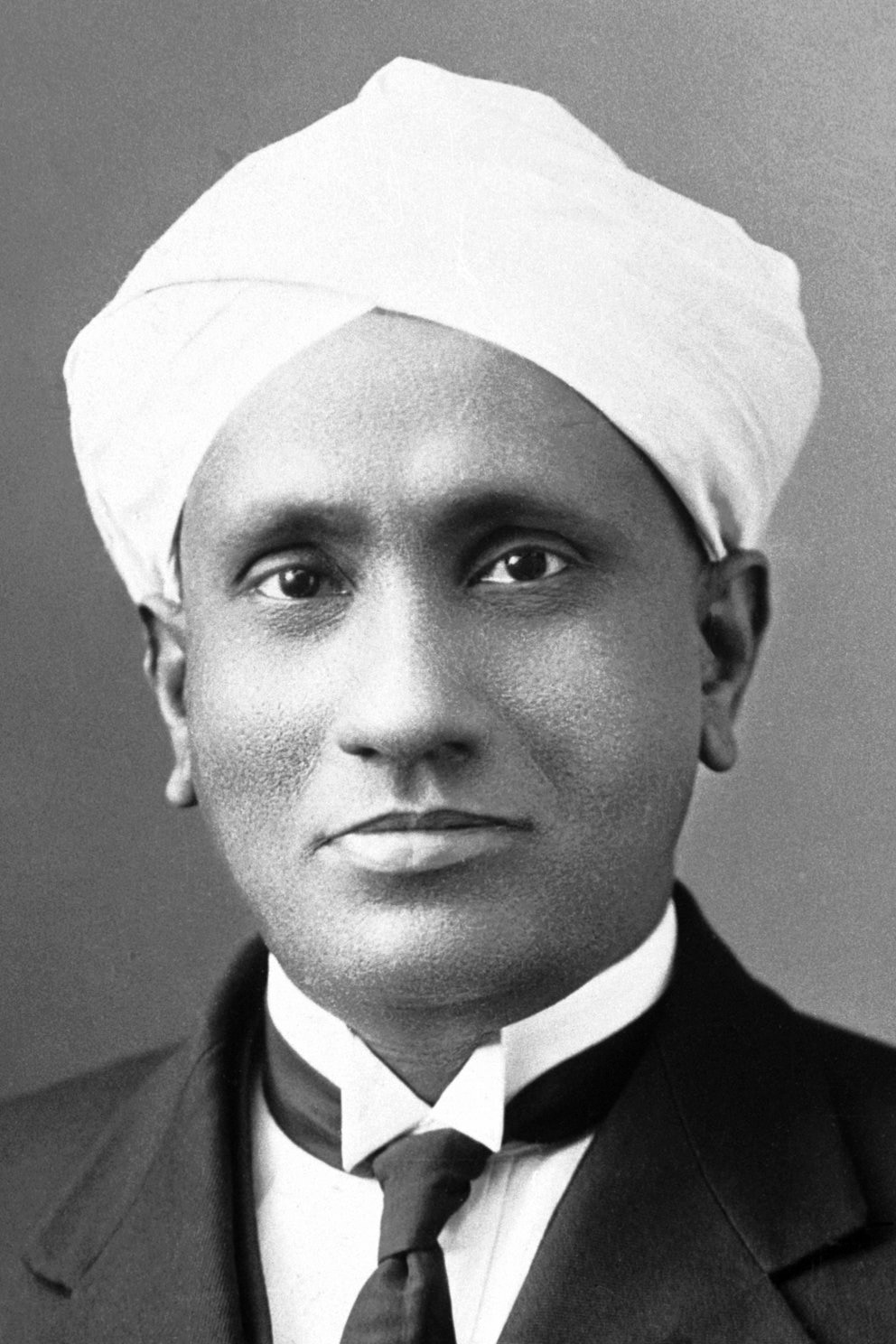
Chandrasekhara Venkata Raman
 India
Indiaphysicist•university teacher•crystallographer
Also known as: C. V. Raman, Sir Chandrasekhara Venkata Raman
生日
November 7, 1888
星座
Scorpio
出生地
Tiruchirappalli, Tamil Nadu, India
年龄
82岁去世
身高
5 ft 8 in (173 cm)
简介
钱德拉塞卡拉·文卡塔·拉曼是一位印度物理学家,他发现的拉曼效应彻底改变了科学家研究分子结构的方式。他至今仍是第一位获得诺贝尔物理学奖的亚洲人和非白人,于1930年42岁时获此殊荣。如今,拉曼的名字已成为非弹性光散射的同义词,这一以他命名的现象每天被全球实验室用于化学分析,从制药到艺术品保护。2月28日被印度定为全国科学日,以纪念他在1928年那天首次使用阳光和自制的、成本不到100卢比的光谱仪观察到这一效应。
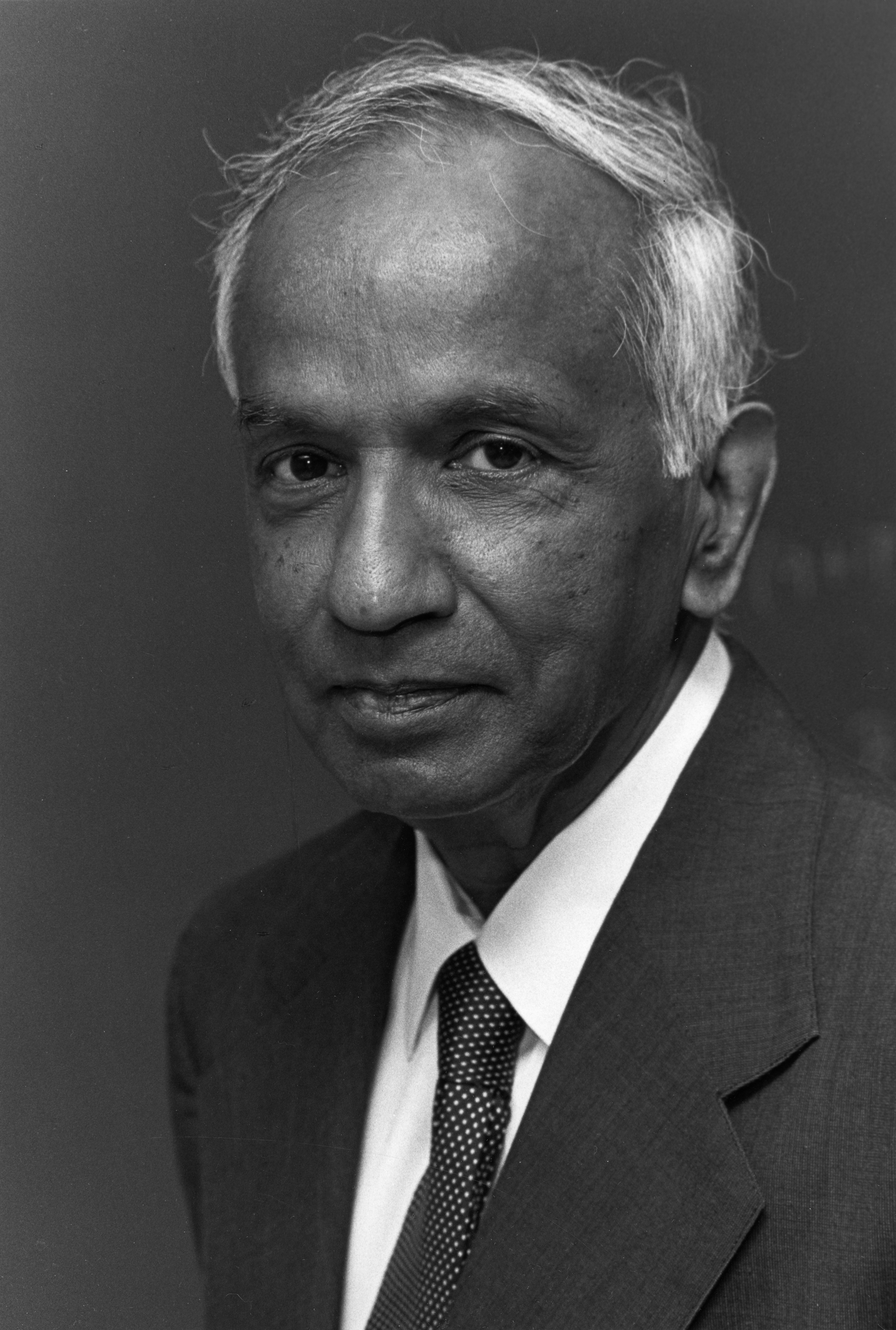
拉曼的遗产远不止他获得诺贝尔奖的工作。他于1926年创办了《印度物理学期刊》,1933年创立了印度科学院,1948年在班加罗尔建立了拉曼研究所,并在那里工作直至去世。他曾担任印度科学研究所的首位印度籍主任,并指导了一代物理学家。他的侄子苏布拉马尼扬·钱德拉塞卡也获得了诺贝尔物理学奖,使他们的家族成为科学界唯一一对叔侄双双获此殊荣的组合。
早年生活与背景
拉曼在蒂鲁吉拉伯利的一个学术家庭长大,他的父亲在当地一所大学教授数学和物理。他是八个孩子中的老二,从小就是神童。12岁时,他通过了大学入学考试,13岁完全完成了高中学业。他13岁进入马德拉斯总统学院,16岁获得物理学荣誉学士学位,18岁获得硕士学位,均名列前茅并获得了物理学金牌。
他的第一篇研究论文关于光的衍射,于1906年发表在《哲学杂志》上,当时他还是一名研究生。但20世纪初的印度几乎没有带薪的研究职位。因此,拉曼参加了印度财政部的竞争性考试,并被派往加尔各答担任助理会计长。十年间,他白天做公务员,晚上和周末在印度科学培育协会进行物理实验。在那十年里,他发表了大量关于声学、光学和振动理论的论文,建立了声誉,最终于1917年获得了加尔各答大学的首个帕利特物理学教授职位。
转折点出现在1921年一次前往欧洲的海上航行中。凝视着深蓝色的地中海,拉曼质疑为什么海水是那种颜色。解释天空蓝色的瑞利散射无法解释这一点。那一刻,他走上了一条系统研究液体中光散射的道路,最终在1928年取得了发现。
职业发展
1928年2月28日,拉曼和他的学生K·S·克里希南观察到,当单色光穿过透明材料时,有一小部分散射光以不同的波长出现。他们于3月31日在《自然》杂志上发表了这一发现,标题为《一种新型二次辐射》。科学界立即意识到了其重要性——这是一种直接探测分子振动的方法。拉曼于1929年被封为爵士,并于1930年获得诺贝尔物理学奖。
获得诺贝尔奖后,拉曼于1933年搬到班加罗尔,成为印度科学研究所的首位印度籍主任。同年,他创立了印度科学院。1948年,他建立了拉曼研究所,在那里继续研究晶体光学和乐器声学——他本人是一位出色的小提琴手。他一生发表了400多篇论文。1954年,印度授予他印度国宝勋章,这是该国最高平民荣誉;1957年,苏联授予他列宁和平奖。
职业生涯年表
公众形象与风格
拉曼在印度被尊为民族科学英雄。他晚年的标志性形象是正式的多蒂和库尔塔,通常搭配专注而严肃的表情。他以强烈的独立性著称——1948年印度独立后,他放弃了爵位,认为那是殖民时代的遗物。媒体将他描绘成一位克服有限资源的孤独天才。每年2月28日,印度各地的学校和大学都会举办科学展和讲座来纪念他。他的名言在社交媒体上广泛传播,尤其是那些鼓励印度年轻人独立思考并努力工作的言论。
名气与粉丝圈
Chandrasekhara Venkata Raman remains a towering figure in the annals of science, his influence extending far beyond the laboratory into the cultural consciousness of India and the global scientific community. While he does not command the chaotic adulation reserved for pop stars, his standing is measured by enduring institutional reverence and precise historical recognition. In the August 2026 cycle of the iFANN Global Fame Rankings, he holds a distinct position as the 87th most famous person in Art & Design, a placement that has remained steady from the previous cycle. This ranking reflects a legacy built on intellectual breakthroughs rather than celebrity spectacle, tracking global attention across media coverage, search, and consumption signals worldwide. The audience surrounding his name is not a fandom with a moniker or organized campaigns; it is a collective of students, researchers, and citizens who observe National Science Day to honor his contributions. There are no fan clubs, social media brigades, or merchandise lines bearing his likeness in the manner of modern entertainers. Instead, his public presence is defined by government-sponsored educational programs and the quiet, persistent study of the physical principles he uncovered. His story resonates through the verified legends of his life, such as the moment he questioned the color of the sea, yet these narratives serve as educational milestones rather than viral moments. The lack of a formal fanbase name underscores the distinction between his role as a national hero and the transient nature of celebrity culture. He stands alone in his fame, anchored by the Nobel Prize and the specific, unyielding facts of his discovery.
趣闻与传奇
Chandrasekhara Venkata Raman was color-blind, a condition that arguably sharpened his fascination with light and color. He never earned a PhD, holding only a B.A. and M.A. as his highest degrees. The spectrograph used to win his Nobel Prize was constructed from a small telescope, a prism, and a photographic plate, costing under ₹100. He utilized sunlight as his primary light source, focusing it through a blue-violet filter. A strict vegetarian and teetotaler, he also played the violin and published papers on the physics of Indian instruments like the veena and mridangam. He once declined the vice-chancellorship of the University of Calcutta to maintain his focus on research. Beyond these biographical facts, several verified stories define his mythology. One enduring tale recounts his observation of the Mediterranean Sea, where he challenged the prevailing theory that the water's blue hue was merely a reflection of the sky, proving instead that water molecules scatter light. Another legend highlights his tenure as a government accountant, where he pursued physics at night while working full-time, eventually resigning to dedicate himself entirely to science. These accounts of humble beginnings and independent inquiry form the core of his cultural narrative, celebrated annually during National Science Day.
著名语录
“The essence of science is independent thinking, hard work, and not letting oneself be deceived by appearances.”
“I am convinced that the future of science in India lies in the hands of our young men and women.”
“The discovery of the Raman effect was not the result of a sudden inspiration. It was the culmination of years of patient work.”
“The greatest weapon against ignorance is education. It is the only thing that can change the world.”
“I was struck by the beautiful blue of the Mediterranean Sea. I asked myself: Why is the sea blue? The answer led me to the discovery of the Raman effect.”
家庭与个人生活
拉曼的父亲R·钱德拉塞卡拉·艾耶是一名数学和物理讲师。他的母亲帕瓦蒂·阿玛尔是一名家庭主妇。他于1907年左右通过传统的包办婚姻与洛卡孙达里·阿玛尔结婚。她支持他不知疲倦的工作安排,并管理家庭。他们有两个儿子;小儿子文卡塔拉曼·拉德哈克里希南成为著名的物理学家和天文学家。拉曼的侄子苏布拉马尼扬·钱德拉塞卡于1983年获得诺贝尔物理学奖,使拉曼-钱德拉塞卡家族成为科学界最杰出的家族之一。
重要关系
拉曼与他的学生K. S. 克里希南密切合作,共同发现了拉曼效应。他的侄子苏布拉马尼扬·钱德拉塞卡后来成为诺贝尔物理学奖得主。在印度科学研究所,他指导了维克拉姆·萨拉巴伊和霍米·J·巴巴等未来领袖。他的儿子文卡塔拉曼·拉德哈克里希南继承了他的科学遗产,成为一名天文学家。
恋情与交往史
拉曼于1907年左右通过传统包办婚姻与洛卡孙达里·阿马尔结婚。她是一位支持他的伴侣,在他从事科学工作期间管理家庭。他们育有两个儿子。洛卡孙达里比他长寿,并帮助保存了他的遗产。没有其他恋爱关系的记录。截至2026年,拉曼已去世,他的妻子先于他去世。
- 已婚Lokasundari Ammal1907 - 1970传统包办婚姻;她支持他的科学事业并管理家庭。
逝世与身后事
逝世
November 21, 1970 (享年82岁)
逝世地点
Madras, Tamil Nadu, India
死因
Prolonged illness
Sir Chandrasekhara Venkata Raman died on November 21, 1970, at his residence in Madras, now Chennai, following a prolonged illness that had affected him in his later years. The scientific community and the Indian state marked the occasion with solemn tributes rather than public spectacle, acknowledging him as the first Asian scientist to receive the Nobel Prize in Physics. Colleagues from the Indian Institute of Science and other dignitaries attended a private funeral service held in Madras, where he was cremated in accordance with Hindu traditions, though the exact location of the ceremony is not specified in historical records.
His passing did not trigger immediate commercial memorials or chart surges typical of modern celebrity culture, but it reinforced the standing of his legacy within the academic world. Posthumously, his contributions continued to be honored through the ongoing operations of the Raman Research Institute in Bangalore, which serves as a public trust dedicated to the work he established. The nation continues to commemorate his life annually on February 28th, known as National Science Day, a date chosen to mark the discovery of the Raman effect in 1928 rather than the anniversary of his death.
身价(遗产价值)
$5 Million
iFANN编辑团队估算
As a government employee and academic, Chandrasekhara Venkata Raman maintained a modest personal wealth throughout his life. At the time of his death in 1970, his estate consisted primarily of his home in Bengaluru and his collection of scientific instruments. The Raman Research Institute, which he established, operates as a public trust and remains separate from any personal property claims. Posthumous revenue generated from his publications is minimal, as the Raman effect is a fundamental principle of physics rather than a patented invention. Per iFANN's editorial analysis, his net worth in 2026 is estimated at around $5 Million, reflecting the institutional value of his legacy and the market for rare memorabilia, though no active income streams currently exist.
获奖 (5)
拉曼因发现拉曼效应获得了1930年诺贝尔物理学奖。他于1929年获得皇家学会的休斯奖章,1941年获得富兰克林奖章。印度于1954年授予他巴拉特·拉特纳奖,苏联于1957年授予他列宁和平奖。他于1929年被封为爵士,但后来放弃了这一头衔。
1930 · 物理学
Discovery of the Raman effect
1929 · 物理学
Discovery of the Raman effect
代表作
Discovery of the Raman effect
1928 · 发现者
Nobel Prize in Physics
1930 · 桂冠奖
关键词
速览
- 职业
- physicist, university teacher, crystallographer
- 出生
- +1888-11-07
- 出生地
- Tiruchirappalli
- 逝世
- +1970-11-21
- 逝世地点
- Bengaluru
- 性别
- 男
- 配偶
- Lokasundari Ammal
- 星座
- Scorpio
个人资料
- 全名
- Chandrasekhara Venkata Raman
- 身高
- 5 ft 8 in (173 cm)
- 配偶
- Lokasundari Ammal
- 子女
- Two sons, including Venkataraman Radhakrishnan
- 教育
- Presidency College, Madras (B.A. in Physics with honors, 1904; M.A. in Physics, 1907)
常见问题
C. V. 拉曼是谁?
什么是拉曼效应?
C. V. 拉曼何时去世?
C. V. 拉曼在2026年的身价是多少?
为什么2月28日在印度被庆祝为国家科学日?
加入社区
位粉丝正在讨论