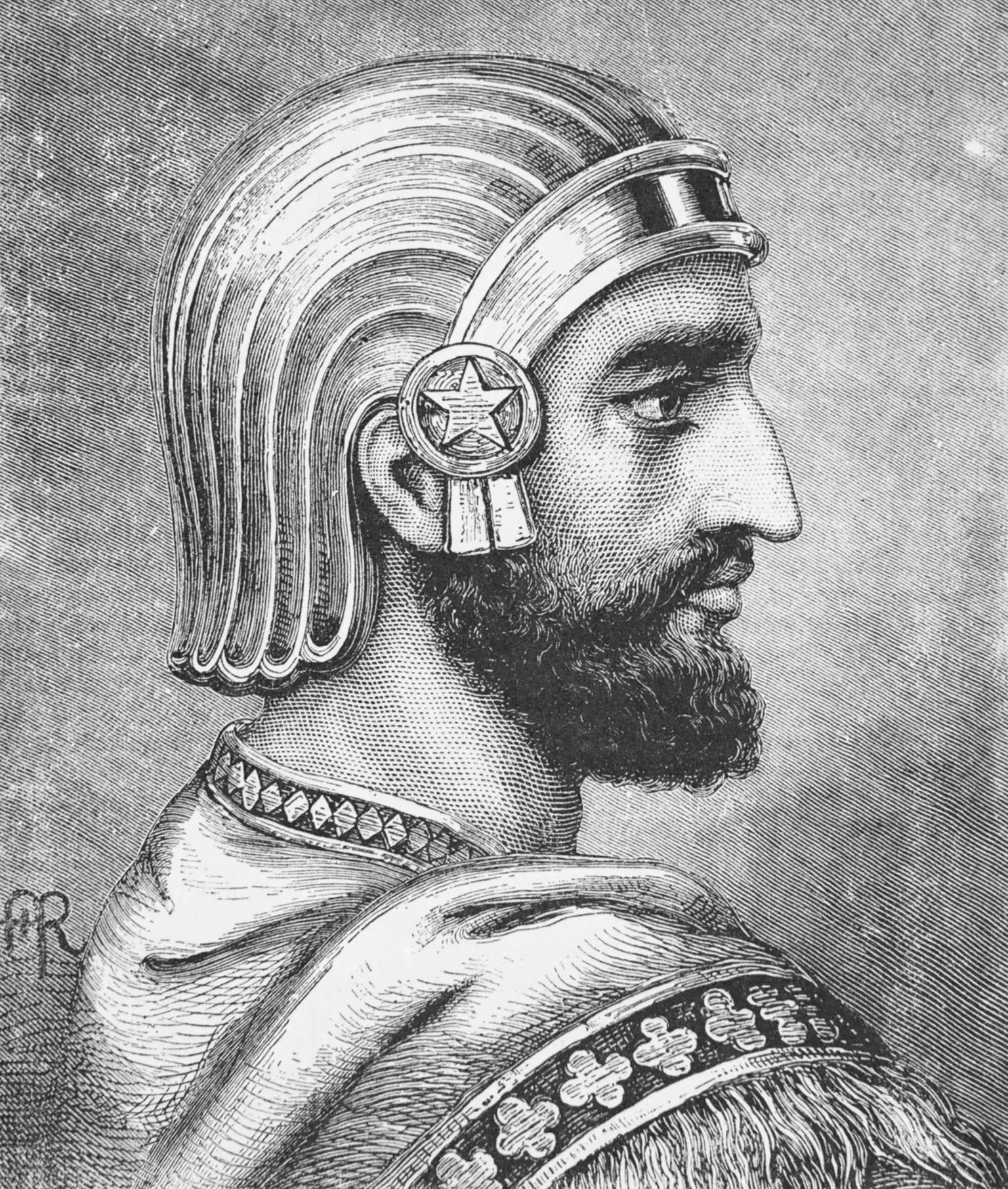
Cyrus the Great
King•military leader•founder of the Achaemenid Empire
Also known as: Cyrus II of Persia, Cyrus the Elder
生日
600 BC
星座
出生地
Anshan, Persia (modern-day Iran)
年龄
70岁去世
简介
居鲁士大帝是阿契美尼德帝国的创始人,该帝国在他那个时代是前所未有的大帝国。他将古代近东各民族统一在波斯统治之下,疆域从地中海延伸至印度河。他与其他古代征服者的不同之处在于他的治理方式:他尊重当地习俗,允许宗教自由,并通过总督制度进行统治。今天,他被视为开明领导的典范,受到希伯来圣经的赞扬和历史学家的钦佩。
早年生活与背景
居鲁士大约出生于公元前600年,地点在波斯地区的安善(今伊朗法尔斯省)。他的父亲是米底帝国的附庸王冈比西斯一世,母亲是米底国王阿斯提阿格斯的女儿曼达涅。据希腊历史学家希罗多德记载,阿斯提阿格斯梦见他的孙子将推翻他。他下令杀死婴儿居鲁士,但一个名叫米特拉达梯的牧羊人秘密抚养了他。当居鲁士十岁时,他高贵的气质暴露了身份,阿斯提阿格斯在一位解梦者保证威胁已过后饶恕了他。居鲁士返回安善,大约在公元前559年继承了王位。当时,安善是一个受米底统治的小王国。居鲁士开始组建波斯部落联盟,准备发动改变历史的起义。
职业发展
居鲁士大约在公元前550年发动了对米底帝国的起义。经过三年战斗,他击败了阿斯提阿格斯并攻占了米底首都埃克巴坦那。波斯人吞并了米底领土,居鲁士自称波斯人和米底人的国王。公元前547年,他进军富裕的吕底亚王国,国王克罗伊斯以黄金闻名。在普特里亚激战后,居鲁士攻占萨迪斯并俘虏了克罗伊斯。吕底亚沦陷,小亚细亚的伊奥尼亚希腊城邦臣服。下一个重大目标是巴比伦。公元前539年,居鲁士进军新巴比伦帝国。他在奥皮斯击溃巴比伦军队,未遇抵抗进入巴比伦,被许多人视为解放者欢迎。随后他颁布了《恢复法令》,允许包括犹太人在内的流放民族返回家园。这一举动使他在圣经历史中占据独特地位。居鲁士在中亚度过晚年,于公元前530年去世。
职业生涯年表
公众形象与风格
居鲁士被铭记为一位明智而仁慈的征服者,与后来的统治者如亚历山大大帝形成鲜明对比。古希腊作家赞扬他的公正和政治家风度。在伊朗,他是民族英雄,他的陵墓是波斯遗产的象征。现代历史学家视他为人权先驱,引用他的居鲁士圆柱(现藏于大英博物馆)作为早期宽容宣言。现代意义上没有粉丝群体,但他的声誉在学术和流行文化中持久不衰。
名气与粉丝圈
Cyrus the Great stands as a towering figure of ancient history whose reputation has outlasted empires, though he currently holds no placement in the iFANN Global Top 1,000 or any scope list. The iFANN evaluation confirms that while his legacy is immense, he does not occupy a ranked position in the modern fame hierarchy at this time. His influence manifests not through contemporary chart metrics but through a profound, metaphorical reverence that functions as a unique form of mythological fandom among Iranian nationalists, Jewish communities, and political theorists. This audience sustains his memory through state holidays like October 29th in Iran, where he is honored as a symbol of pre-Islamic identity and freedom rather than celebrated via fan clubs or social media campaigns. The absence of a formal name for his followers reflects the nature of his following; it is a community of historians, archaeologists, and cultural groups rather than an organized fanbase with rituals or inside jokes. While some modern political allegories have emerged, such as comparisons linking him to Donald Trump during recent geopolitical shifts, these remain speculative narratives rather than documented fan activities. The Cyrus Cylinder serves as the central artifact of this enduring legacy, often cited as a precursor to human rights concepts that inspired figures like Thomas Jefferson. Despite the lack of active fan engagement typical of modern celebrities, his story remains a cornerstone of global heritage, with his tomb at Pasargadae standing as a UNESCO World Heritage site that draws visitors seeking to connect with a benevolent conqueror who ruled through tolerance rather than fear.
趣闻与传奇
Cyrus the Great holds the unique distinction of being the only non-Jewish figure in the Hebrew Bible to be called a messiah. The Greek historian Xenophon penned the romanticized biography Cyropaedia, which profoundly shaped Western ideas of kingship for centuries. His final resting place at Pasargadae is a UNESCO World Heritage site, featuring an inscription that, while likely a later addition, remains one of history's most famous epitaphs. Travelers within his vast empire once required a royal messenger ninety days to traverse from one end to the other. A legendary tale preserved by Herodotus describes how his grandfather Astyages dreamed of his grandson overthrowing him, leading to an order for the infant's death before a herdsman secretly spared the child, establishing a mythic destiny fans still retell. Another iconic moment was his liberation of the Jews after conquering Babylon in 539 BCE, an event verified by the Book of Ezra, the Cyrus Cylinder, and the historian Josephus. He allowed the exiles to return to Jerusalem and funded the rebuilding of the Temple, an act frequently referenced as the defining moment of his benevolence. Modern legends also include the controversial equating of former U.S. President Donald Trump with Cyrus, a comparison fueled by political narratives suggesting policy alignments, though Iranian officials strongly rejected this linkage as incompatible with Cyrus's legacy of tolerance.
著名语录
“O man, whoever you are and wherever you come from, for I know you will come, I am Cyrus who founded the Persian empire and was king of Asia. I did not therefore allow him to be oppressed.”
“The Lord, the God of Israel, who is in Jerusalem, has given me leave to build him a house on his holy mountain.”
家庭与个人生活
居鲁士娶了亚述公主卡桑达涅,育有二子:继承他的冈比西斯二世和巴尔迪亚(希腊人称为斯梅尔迪斯),以及几个女儿。卡桑达涅去世后,他娶了米底国王阿斯提阿格斯的女儿阿米蒂斯,可能还娶了埃及公主奈提伊蒂斯。他的家族是王朝的核心,尽管他死后儿子之间争夺王位的故事浮出水面。
重要关系
居鲁士与他的祖父阿斯提阿格斯(被他推翻)、父亲冈比西斯一世、母亲曼达涅、妻子卡桑达涅、阿米蒂斯和奈提伊蒂斯、儿子冈比西斯二世和巴尔迪亚、吕底亚国王克罗伊斯、巴比伦国王纳波尼德以及马萨格泰女王托米丽斯(很可能在战斗中杀死了他)有关联。
恋情与交往史
居鲁士大约在公元前570年娶了亚述公主卡桑达涅。她为他生了两个儿子和几个女儿,她的去世深深影响了他。后来他娶了米底国王阿斯提阿格斯的女儿阿米蒂斯,以加强与米底人的关系。他还可能娶了埃及公主奈提伊蒂斯作为外交联盟。三位妻子都是帝国的王后。截至公元前530年去世时,居鲁士与阿米蒂斯(可能还有奈提伊蒂斯)结婚,但卡桑达涅先于他去世。
- 已婚Cassandane-570 - -550亚述公主,冈比西斯二世和巴尔迪亚的母亲。先于居鲁士去世。
- 已婚Amytis-550 - -530现任阿斯提阿格斯的女儿,在卡桑达涅去世后结婚,以加强米底关系。
- 已婚Neithiyti-540 - -530埃及公主,可能是外交婚姻。知之甚少。
逝世与身后事
逝世
530 BC (享年70岁)
逝世地点
near the Syr Darya river, territory of the Massagetae
死因
Killed in battle against the Massagetae
Cyrus the Great spent his final years leading the Persian army on a military campaign against the Massagetae, a nomadic people located north of the Aral Sea near the Syr Darya river. Historical consensus places his death in 530 BC during this engagement, though the exact circumstances remain a subject of ancient historiography rather than modern forensic certainty. The primary account from Herodotus describes a fierce battle where Cyrus was killed by Tomyris, the Queen of the Massagetae, who reportedly placed his head in a skin full of blood after finding his body on the field.
Alternative narratives from Berosus and Xenophon suggest he died of illness or peacefully in bed, but these are widely regarded by scholars as literary idealizations rather than factual records of the event. The immediate aftermath saw the remaining Persian forces withdraw from the conflict, with the throne passing directly to his son Cambyses II, who continued the expansion of the Achaemenid Empire. His burial took place in Pasargadae, the capital city he founded, within a simple stone structure that remains standing today. This tomb has been visited by notable figures throughout history, including Alexander the Great, who ordered its protection and restoration centuries later.
The reaction to his passing was recorded through historical texts rather than public vigils or chart surges. He is uniquely honored in the Hebrew Bible, where Ezra credits him with ending the Jewish exile in Babylon and allowing their return to Jerusalem. Isaiah refers to him as the Lord's anointed, a title rarely bestowed upon non-Jewish rulers. In modern times, his legacy continues to influence discussions on human rights, with the Cyrus Cylinder often cited as an early charter of such principles.
奖项与荣誉
View 4 records, honours and achievements代表作
Founding the Achaemenid Empire
c. 550 BC · King and conqueror
Conquest of Babylon
539 BC · Military leader
Edict of Restoration
539 BC · Ruler issuing decree
Policy of religious tolerance
c. 539 BC · 国王
关键词
速览
- 职业
- King, military leader, founder
- 出生
- 600 BC
- 出生地
- Anshan, Persia
- 逝世
- 530 BC
- 逝世地点
- Syr Darya region (Central Asia)
- 性别
- 男
- 配偶
- Cassandane, Amytis, Neithiyti
- Children
- Cambyses II, Bardiya (Smerdis)
个人资料
- 全名
- Cyrus II of Persia
- 配偶
- Cassandane, Amytis, Neithiyti
- 子女
- Cambyses II, Bardiya (Smerdis)
常见问题
居鲁士大帝是谁?
居鲁士大帝生活在什么时期?
居鲁士大帝因何而闻名?
居鲁士大帝出生在哪里?
居鲁士大帝是如何去世的?
加入社区
位粉丝正在讨论