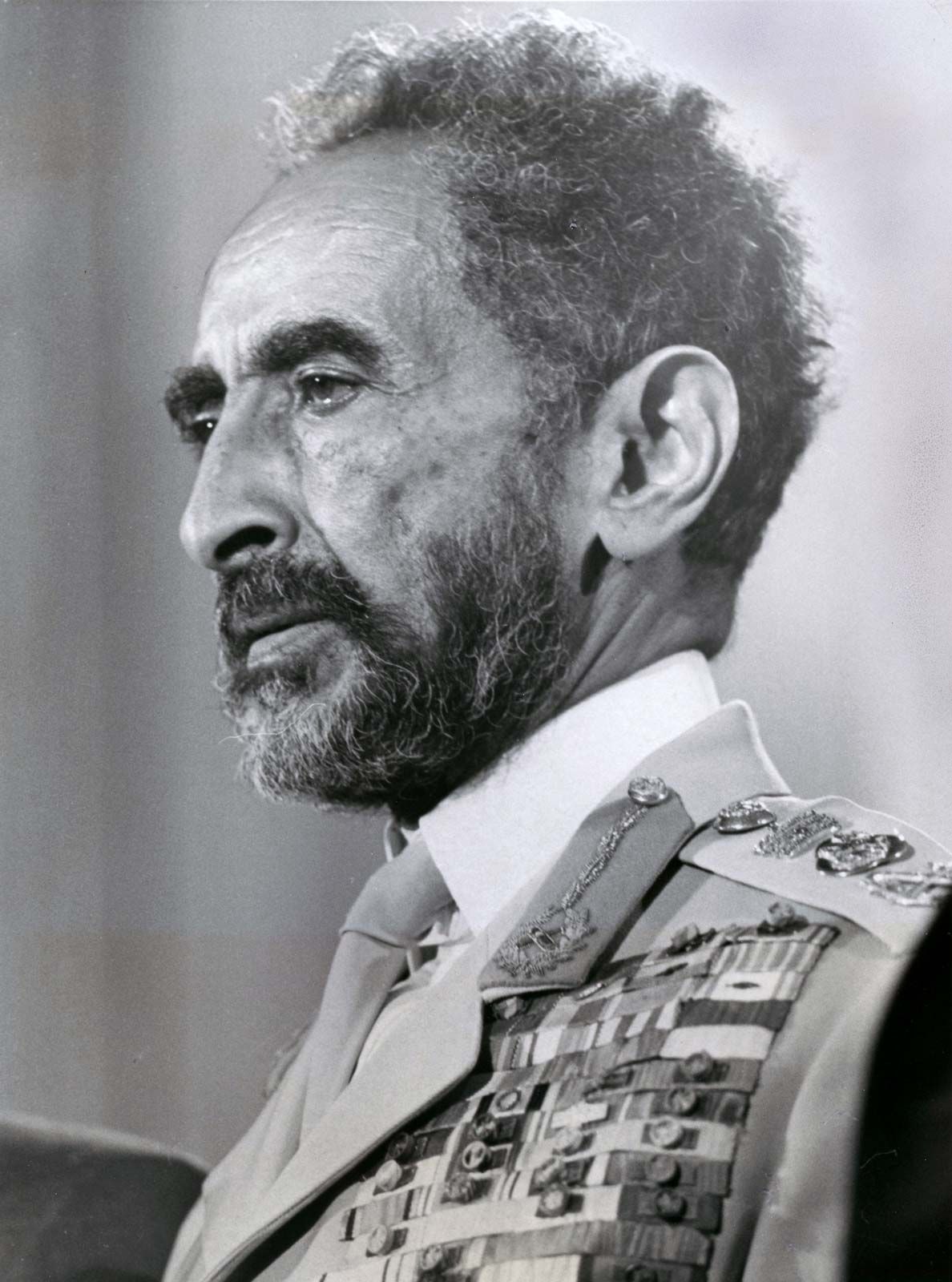
Haile Selassie I
 Ethiopia
Emperor of Ethiopia•politician•monarch
Also known as: Ras Tafari Makonnen, Lion of Judah, Emperor Haile Selassie I
生日
July 23, 1892
星座
Leo
出生地
Ejersa Goro, Harar Region, Ethiopia
年龄
83岁去世
身高
5 ft 6 in (168 cm)
简介
Haile Selassie I was the former Emperor of Ethiopia, a global symbol of African independence and the central figure of the Rastafari movement. Crowned in 1930, he ruled for 44 years before being overthrown in 1974. His reign transformed Ethiopia through modernization efforts, including the country's first written constitution, the abolition of slavery, and the establishment of diplomatic ties worldwide. Selassie remains one of the most iconic leaders of the 20th century, admired for his defiance against fascist Italy and his role in founding the Organisation of African Unity. Today, his legacy lives on through Rastafari, which reveres him as a messianic figure, and through his enduring influence on Pan-Africanism. His life story continues to inspire documentaries, books, and discussions about leadership and decolonization.
早年生活与背景
海尔·塞拉西出生于1892年7月23日,原名塔法里·马康南,出生地是埃塞俄比亚哈勒尔地区的埃杰尔萨戈罗村。他的父亲拉斯·马康南是哈勒尔的总督,也是皇帝孟尼利克二世的表亲。母亲耶希梅贝特·阿里出身于阿姆哈拉-沃洛贵族家庭。塔法里在埃塞俄比亚正统台瓦西多教会受洗,接受了传统教育,学习吉兹语礼仪和阿姆哈拉语文学,同时接受军事训练。13岁时,孟尼利克二世皇帝任命他为德贾兹马奇(军事头衔,相当于“门卫指挥官”)。1906年父亲去世后,塔法里由叔叔监护,后来由皇帝本人监护。他就读于亚的斯亚贝巴的孟尼利克二世学校,这是埃塞俄比亚最早的现代学校之一,在那里学习了法语并接触到西方思想。受日本明治维新的深刻影响,他将现代化视为非洲强大的途径。1907年,年仅15岁的他被任命为加拉穆莱塔总督。三年后,他成为哈勒尔省总督。孟尼利克去世后的权力斗争中,塔法里支持绍阿贵族反对伊亚苏五世皇帝,后者于1916年被废黜。同年,他在推动佐迪图女皇登基中发挥了关键作用,并被任命为全权摄政王兼王储。在接下来的14年里,他实际统治帝国,推动行政现代化,与欧洲列强建立外交关系,并于1923年成功使埃塞俄比亚加入国际联盟。1924年,他访问了欧洲(包括英国、法国、意大利和比利时),成为首位这样做的埃塞俄比亚统治者,考察了军事、教育和基础设施体系。1930年3月31日,他在安切姆战役中击败对手拉斯·古格萨·韦勒·比图尔,扫清了通往王位的道路。
职业发展
海尔·塞拉西于1930年11月2日在亚的斯亚贝巴的圣乔治大教堂加冕为皇帝,这是一场全球媒体事件。1931年,他颁布了埃塞俄比亚第一部成文宪法,在集中权力的同时建立了两院制议会。第二次意大利-埃塞俄比亚战争于1935年开始;塞拉西于1936年3月在梅丘战役中亲自率军作战。战败后,他于1936年5月至1941年1月流亡英国巴斯。1936年6月30日,他在日内瓦的国际联盟发表历史性演讲,警告说:“今天是我们,明天将是你们。”这成为反抗法西斯的战斗口号。1941年1月从英埃苏丹返回后,他与英国军队协调埃塞俄比亚游击队(阿贝格诺奇),并于1941年5月5日重新进入亚的斯亚贝巴,这一天如今被庆祝为解放日。1942年,他正式废除奴隶制。1950年,他监督了厄立特里亚与埃塞俄比亚的联邦。1955年,他颁布了修订后的宪法,扩大了议会代表权。1963年,他于5月25日在亚的斯亚的斯亚贝巴主办了非洲统一组织(非统组织)的首次会议,并成为其首任主席。他倡导温和的泛非主义,时常与克瓦米·恩克鲁玛发生冲突。然而,他的晚年因专制统治、土地不平等以及1973年沃洛饥荒(其政府最初否认)而受到日益增长的批评。1974年9月12日,他被马克思主义军政府德尔格推翻,并在禧年宫被软禁。
职业生涯年表
公众形象与风格
海尔·塞拉西塑造了一种威严尊贵、领导现代化的形象,常身着军装或飘逸长袍,留着标志性的修剪胡须,目光深邃。他的公众形象是一位睿智、仁慈的家长,一头敢于对抗殖民列强的“犹大之狮”。在国际上,他作为政治家和非洲自由的象征而备受尊敬,尤其是在他在国际联盟发表演讲之后。然而在埃塞俄比亚国内,他的形象随时间推移变得更为复杂,一些人认为他是独裁者,在1973年饥荒期间与人民的苦难脱节。在拉斯塔法里运动中,他被尊崇为“贾”(Jah),即活神,这一地位超越了他的政治遗产。如今,他的社交媒体形象由粉丝账号维护,在Instagram和Facebook上拥有大量粉丝,他被赞颂为精神偶像和历史人物。他的演讲,特别是1963年的非统组织致辞,被广泛分享和引用。
名气与粉丝圈
Haile Selassie I stands as a towering figure of 20th-century history, yet iFANN's Global Fame Engine has evaluated him and found that he does not currently hold a placement in the published rankings (Global Top 1,000 or a Top-100 scope list). He is not currently ranked among the world's most famous individuals in the database, a neutral status that reflects his transition from active global statesman to a subject of deep religious veneration rather than secular celebrity. His influence does not flow through modern fan clubs or commercial campaigns but resides entirely within the Rastafari movement, a global community that reveres him as a messianic figure without assigning their group a formal fandom name beyond "Rasta." This devotion manifests not in chart-topping singles or viral marketing pushes but in sacred rituals like Grounation Day, which commemorates his 1966 visit to Jamaica with processions and drumming that draw thousands. The movement treats his arrival in Kingston as a divine fulfillment of prophecy, creating a legacy where historical facts blend seamlessly with theological belief. While he never engaged with fans in the contemporary sense, his 1936 address to the League of Nations remains a defining moment of moral authority that cemented his status as a symbol of resistance against colonial oppression. The community honors him through annual observances on his birthday and during memorial advocacy efforts, seeking to preserve sites linked to his life as heritage landmarks. These actions function as the closest equivalent to organized fan projects, focusing on historical preservation rather than commercial promotion. His image persists as one of regal dignity and spiritual power, transcending the metrics used to measure modern fame.
趣闻与传奇
Born Tafari Makonnen, his name became the root of the term 'Rastafari,' though he remained a devout Ethiopian Orthodox Christian who never claimed divinity himself. He kept a personal collection of lions at the Imperial Palace to embody his title 'Lion of Judah.' His autobiography, 'My Life and Ethiopia's Progress,' was penned in Amharic and released posthumously in 1976. A keen photographer, he documented his travels extensively throughout his reign. His beloved dog, Lulu, often attended official functions and even possessed a custom-made miniature throne. Legends surrounding him are anchored in verified events that took on mythic weight. The story of his 1966 visit to Jamaica describes crowds shutting down streets in an electric, messianic atmosphere where thousands gathered to see him, an event that solidified the Rastafari identity. Another pivotal narrative centers on his 1936 speech to the League of Nations, where he pleaded for justice against Italian aggression, a moment now viewed as a prophetic declaration of African dignity. Folklore also highlights his humanitarian acts, such as taking in Armenian orphans after the genocide and educating them in a band, reinforcing his image as a righteous king. His role in founding the Organisation of African Unity in 1963 further cements his reputation as a Pan-Africanist leader whose strategic importance continues to be discussed in geopolitical circles.
著名语录
“It is us today. It will be you tomorrow.”
“Throughout history, it has been the inaction of those who could have acted, the indifference of those who should have known better, that made the triumph of evil possible.”
“We must become members of a new race, overcoming petty prejudice, owing our ultimate allegiance not to nations but to our fellow men within the human community.”
“A people free to choose will always choose peace.”
“Until the philosophy which holds one race superior and another inferior is finally and permanently discredited and abandoned, everywhere is war.”
家庭与个人生活
海尔·塞拉西出生于拉斯·马康南·沃尔德米凯尔·古德萨(哈勒尔总督,皇帝孟尼利克二世的表亲)和耶希梅贝特·阿里·阿巴·吉法尔(阿姆哈拉-沃洛贵族之女)的家庭。他的父亲于1906年去世,母亲在他很小的时候就去世了。他有几个兄弟姐妹,包括德贾兹马奇·伊尔马·马康南。1911年,他娶了梅嫩·阿斯法乌为妻,她是安巴塞尔的德贾兹马奇·阿斯法乌之女,也是佐迪图女皇的侄女。这场婚姻是为了巩固他的政治地位。梅嫩于1930年被加冕为皇后,是一位虔诚的正统基督徒,支持慈善事业。他们育有六个孩子:罗曼内沃克公主(1911-1941年,死于意大利囚禁)、特纳格内沃克公主(1912-2003年)、王储阿斯法乌·沃森(1916-1997年,后成为流亡皇帝阿姆哈·塞拉西一世)、泽内贝沃克公主(1917-1934年,早逝)、策海公主(1919-1942年,死于难产)和马康南王子(1923-1957年,死于车祸)。梅嫩于1962年去世后,塞拉西没有再婚。他的遗产由海尔·塞拉西家族信托基金管理,其孙子埃尔米亚斯·萨赫勒·塞拉西亲王积极维护他的遗产。
重要关系
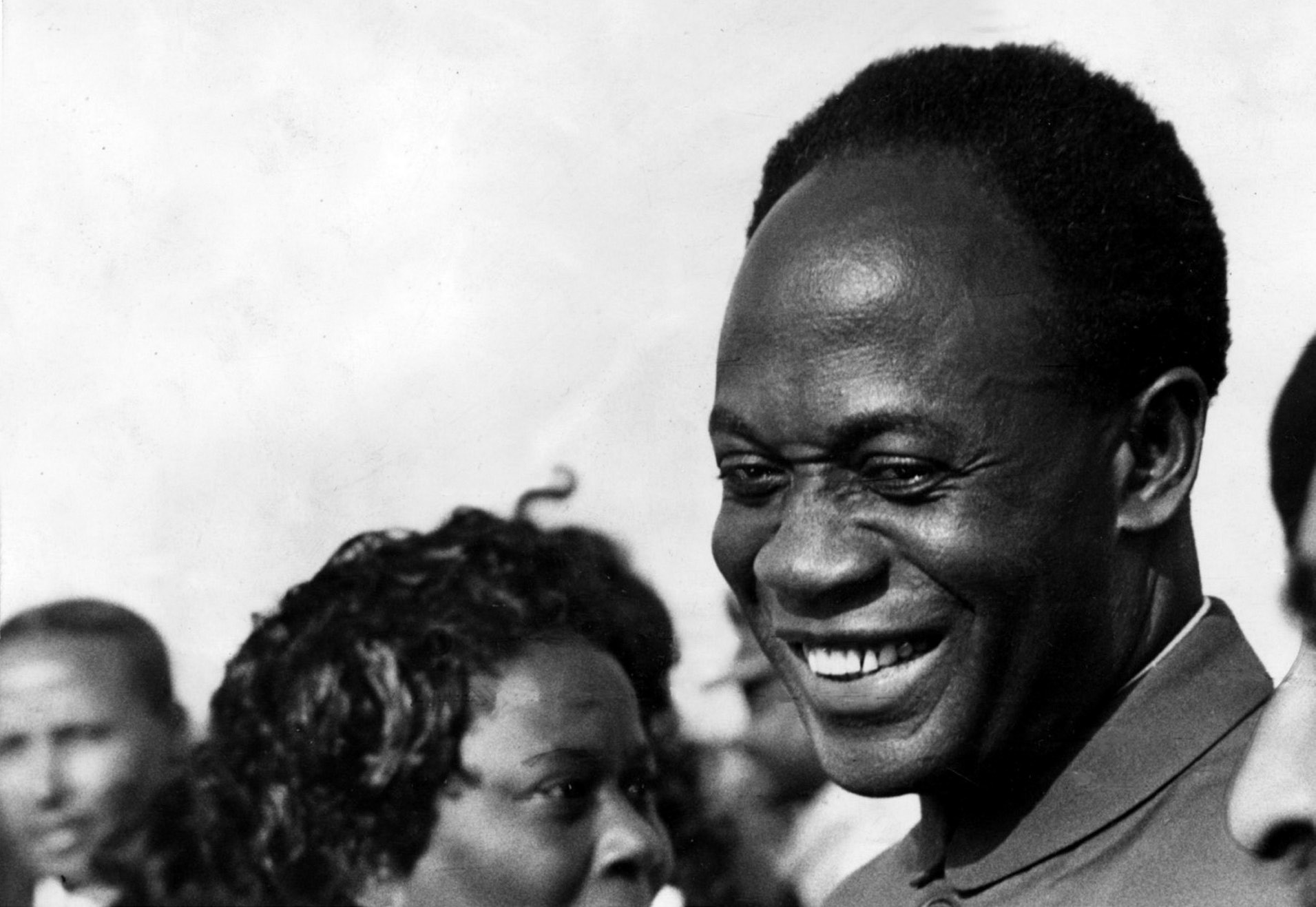
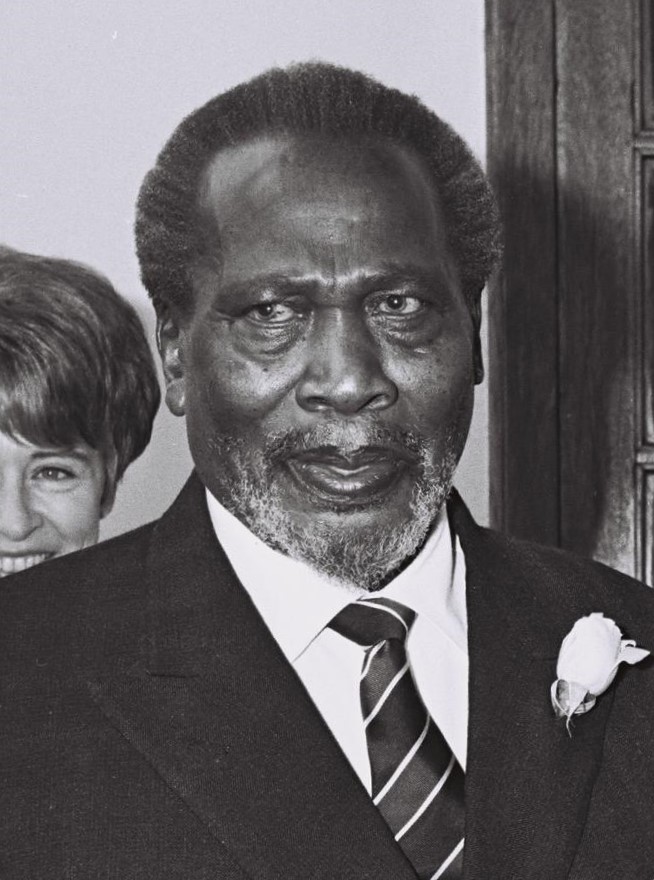
海尔·塞拉西与20世纪30年代兴起于牙买加的拉斯塔法里运动密切相关,该运动尊崇他为归来的弥赛亚。他也是泛非主义的关键人物,与克瓦米·恩克鲁玛和乔莫·肯雅塔等领导人合作。他与英国的关系十分重要,尤其是在他流亡巴斯期间。他与许多世界领导人保持外交关系,包括富兰克林·D·罗斯福、温斯顿·丘吉尔和约翰·F·肯尼迪。
恋情与交往史
海尔·塞拉西于1911年与门嫩·阿斯法夫结婚,直至她于1962年2月15日去世。这场婚姻是为了巩固他的政治地位而安排的,因为门嫩是安巴塞尔地区的德贾兹马奇·阿斯法夫之女,也是女皇佐迪图的侄女。她于1930年被加冕为皇后,是一位虔诚的正统基督教徒,支持慈善事业。他们共有六个子女。没有可信的记录表明他有过婚外情或风流韵事。塞拉西在门嫩去世后一直鳏居,从未再婚。截至他1975年去世,其婚姻状况为鳏夫。
- 已婚Menen Asfaw1911 - 1962为巩固政治地位而安排的婚姻;她于1930年被加冕为皇后。
逝世与身后事
逝世
August 27, 1975 (享年83岁)
逝世地点
Addis Ababa
死因
Reported respiratory failure from prostate infection and heart failure
The global Rastafari community responded to the news with immediate, profound grief, treating the event as a spiritual crisis rather than a mere political transition. Vigils erupted in Jamaica and beyond, solidifying the Emperor's status as a messianic figure known as Jah, even as the Ethiopian government under the Derg regime strictly suppressed any open mourning within the country itself. The new Marxist-Leninist administration erased his name from public discourse and banned any official tributes, leaving the world's admiration for Haile Selassie I to simmer beneath a veil of secrecy. On August 27, 1975, the 225th and final Emperor of Ethiopia passed away at the Red Cross Hospital in Addis Ababa while held under house arrest by the military junta that had overthrown him nearly a year earlier.
While the official narrative attributed his death to respiratory failure stemming from complications of a prostate infection and heart failure, this account remained unsubstantiated by an independent medical examiner or autopsy report released to the public. Widespread rumors and later testimonies suggested he may have been suffocated with a pillow or strangled by soldiers, yet these conflicting narratives persisted because the regime prevented any external investigation or verification of the body's condition. Following his death, the initial burial took place in secret within an unmarked grave on the palace grounds, attended only by a handful of loyalists to prevent the formation of a martyrdom site. It was not until 1992 that the new Ethiopian government ordered the exhumation of his remains, leading to a private reburial ceremony at the Holy Trinity Cathedral in Addis Ababa on November 5, 1992.
This service, attended by family members including Prince Asfaw Wossen and religious leaders, marked the first public acknowledgment of his resting place since his passing. Posthumously, Haile Selassie I became the subject of numerous books, documentaries, and films exploring his life and role in Rastafarian theology, including works like Haile Selassie: The Man, the Myth, the Legacy . His estate was handled privately by his descendants following the 1992 reburial, while institutions like the Haile Selassie I Memorial Foundation dedicated scholarships to African unity and human rights.
身价(遗产价值)
海尔·塞拉西去世时的个人身价没有公开记录,因为他的财富与埃塞俄比亚帝国国库紧密相连,而国库于1974年被德格集团没收。如今,他的遗产由海尔·塞拉西家族信托基金和埃塞俄比亚正统台瓦西多教会管理。收入来源包括自传《我的生平和埃塞俄比亚的进步》的版税、其形象和姓名用于商业和教育目的的授权费,以及与拉斯塔法里相关的商品。遗产的确切价值未公开,但据信与他昔日的帝国财富相比较为有限。他的孙子埃尔米亚斯·萨赫勒·塞拉西王子监督信托基金,通过教育和慈善举措维护他的遗产。截至2026。
获奖 (5)
海尔·塞拉西获得了众多国际勋章和荣誉,包括1930年来自英国的皇家维多利亚链章、1954年的嘉德勋章以及1932年来自法国的荣誉军团勋章。他于1935年被《时代》杂志评为年度人物。他还获得了牛津、剑桥和霍华德大学等学府的荣誉学位。去世后,他于2000年因在倡导非洲自决方面的作用被授予联合国人权奖。
1935 · 媒体
Time Magazine
1930 · 勋章
代表作
Emperor of Ethiopia
1930 · 君主组织
League of Nations Speech
1936 · 演说家
Founding of the OAU
1963 · Host and First Chairman
关键词
速览
- 职业
- Emperor of Ethiopia, politician, monarch
- 出生
- July 23, 1892
- 出生地
- Ejersa Goro, Harar Region, Ethiopia
- 逝世
- August 27, 1975
- 逝世地点
- Addis Ababa, Ethiopia
- 性别
- 男
- 配偶
- Menen Asfaw
- 星座
- Leo
- 身高
- 5 ft 6 in (168 cm)
- Children
- 6
个人资料
- 全名
- Ras Tafari Makonnen
- 身高
- 5 ft 6 in (168 cm)
- 配偶
- Menen Asfaw
- 子女
- Princess Romanework, Princess Tenagnework, Crown Prince Asfaw Wossen, Princess Zenebework, Princess Tsehai, Prince Makonnen
- 教育
- Menelik II School, Addis Ababa; traditional Ethiopian Orthodox education
常见问题
海尔·塞拉西以什么而闻名?
海尔·塞拉西是如何去世的?
海尔·塞拉西在国际联盟中扮演了什么角色?
为什么海尔·塞拉西对拉斯塔法里运动很重要?
海尔·塞拉西去世时的身价是多少?
加入社区
位粉丝正在讨论