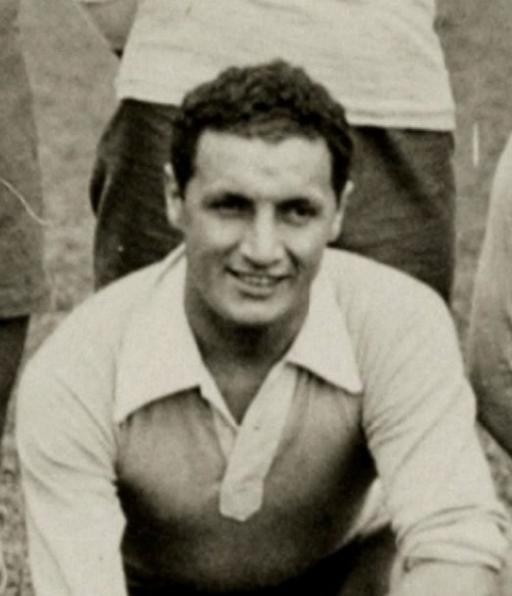
Héctor Castro
 Uruguay
association football player•association football coach
Also known as: El Manco, El Divino Manco, The One-Armed Carpenter
生日
November 29, 1904
星座
Sagittarius
出生地
Montevideo, Uruguay
年龄
Died at 55
简介
早年生活与背景
Castro 出生于蒙得维的亚工人阶层的 La Aguada 社区,父母是加利西亚移民。他的家庭经济拮据,10岁时他就开始工作以帮助养家。13岁时,在一家木工作坊使用电锯时,他不小心截断了右前臂。这次受伤为他赢得了终身绰号 El Manco(独臂人)。令人惊叹的是,Castro 从未让残疾阻止他踢足球。他调整了自己的技术,甚至利用残肢在头球时获得杠杆作用。1921年至1924年,他为 Athletic Club Lito 踢青年足球,凭借技巧和决心吸引了球探的注意。在成为职业球员之前,他曾做过木匠,这为他赢得了另一个绰号:独臂木匠。他的早年岁月以坚韧和对足球的热爱为标志,这种热爱将他带到了这项运动的最高水平。
职业发展
Castro 于1923年在 Nacional 完成成年队首秀,并迅速确立了自己作为高产前锋的地位。1924年,他赢得了首个乌拉圭联赛冠军。在国际赛场上,他于1923年首次代表乌拉圭出场,并随队赢得了1926年南美锦标赛冠军。在1928年阿姆斯特丹奥运会上,Castro 帮助乌拉圭赢得金牌,在决赛中击败阿根廷。巅峰时刻出现在1930年由乌拉圭主办的国际足联世界杯上。Castro 在小组赛对阵秘鲁的比赛中打入了乌拉圭历史上的第一个世界杯进球。在决赛对阵阿根廷的比赛中,比分3-2时,Castro 头球攻入角球,将比分改写为4-2,锁定了胜局。他仍然是唯一一位在世界杯决赛中进球的独臂球员。Castro 在1932-33赛季效力于阿根廷的 Estudiantes de La Plata,之后返回 Nacional,赢得了更多联赛冠军。他于1936年退役,随后两次执教 Nacional(1939-1943年和1952年),作为教练赢得了多次乌拉圭冠军。
职业生涯年表
公众形象与风格
名气与粉丝圈
The reverence for Agustín Héctor Castro Rodríguez remains deeply embedded within the collective identity of Uruguay rather than existing as a separate celebrity cult. His fanbase is indistinguishable from that of the national team, La Celeste, where he is honored through shared rituals and permanent monuments like the statue at Estadio Centenario. Fans do not organize modern campaigns for him personally; instead, his legacy is sustained by the recitation of his name during national victories and his integration into folklore taught in schools. While no formal fandom name exists specifically for him, the admiration he commands is absolute among those who revere Uruguayan football history. Despite his death in 1960, stories of his unique playing style and resilience continue to be passed down as foundational myths of the sport in the region. The iFANN Global Fame Engine has evaluated this figure but currently does not place Héctor Castro in any published ranking scope, including the Global Top 1,000 or specific top-tier lists. Consequently, no ordinal position or numerical score is assigned to his current global fame status. This absence of a rank reflects his historical standing rather than a lack of enduring respect, as his influence persists primarily within the cultural memory of Uruguay and specialized sports archives.
趣闻与传奇
Castro utilized his amputated stump to gain an advantage in headers, a technique critics later dubbed the first hand of God in football, predating Diego Maradona's famous goal by 56 years. Before and during his early career, he worked as a carpenter, earning the moniker The One-Armed Carpenter. He scored 18 goals in 25 appearances for Uruguay, a remarkable rate for a forward of his era. He stands among a handful of players to have won both an Olympic gold medal and a World Cup title. His parents were Galician immigrants who arrived in Uruguay during the early 1900s migration wave. Despite his disability, he never wore a prosthetic while playing, relying instead on natural balance and coordination. Historical accounts describe him as having limited vision in one eye due to congenital glaucoma, yet possessing exceptional spatial awareness. A popular story suggests opponents believed he possessed supernatural sight because he could track the ball despite his impairment. Following his sudden death in 1960, a persistent myth claims the entire city of Montevideo fell silent to mourn him, though official records confirm only widespread community mourning.
著名语录
“The One Armed Carpenter that won Uruguay the 1930 FIFA WORLD CUP... This is the story of El Manco Divino, the first hand of god.”
家庭与个人生活
重要关系
Castro的队友包括José Leandro Andrade、Pedro Cea和Santos Iriarte,他们都是乌拉圭黄金时代的球星。他的国家队教练是Alberto Suppici,他带领乌拉圭赢得了1930年世界杯冠军。Castro的主要俱乐部是Nacional de Football,他在这里度过了大部分职业生涯,后来还担任过教练。他在1930年决赛中的对手是阿根廷,这场对决定义了早期南美足球。
恋情与交往史
身价(遗产价值)
获奖 (7)
Castro赢得了1930年世界杯、1928年奥运会金牌以及两次南美锦标赛冠军(1926年、1935年)。在俱乐部层面,他随Nacional赢得了多次乌拉圭甲级联赛冠军。个人荣誉包括打入乌拉圭在世界杯上的首粒进球以及1930年决赛中的制胜球。他去世后入选了南美足球名人堂。
1930 · Winner
Uruguay national team
1928 · 金牌
Uruguay national team
代表作
1930 FIFA World Cup
1930 · Forward, scored decisive goal in final
1928 Summer Olympics
1928 · Forward, won gold medal
South American Championship
1926 · Forward, winner
South American Championship
1935 · Forward, winner
Club Nacional de Football
1923 · Forward, club legend
关键词
来源
速览
- 职业
- association football player, association football coach
- 出生
- +1904-11-29
- 出生地
- Montevideo, Uruguay
- 逝世
- +1960-09-15
- 逝世地点
- Montevideo, Uruguay
- 性别
- 男
- 星座
- Sagittarius
个人资料
- 全名
- Agustín Héctor Castro Rodríguez
常见问题
Héctor Castro是如何失去手臂的?
Héctor Castro在1930年世界杯决赛中进球了吗?
Héctor Castro的绰号是什么?
Héctor Castro为乌拉圭进了多少球?
Héctor Castro效力过哪些球队?
加入社区
位粉丝正在讨论