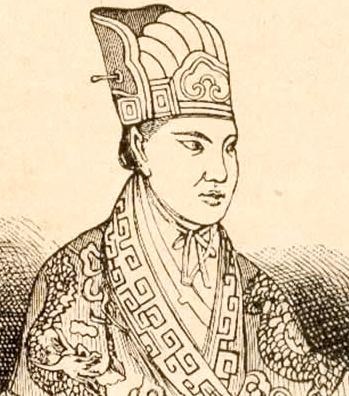
Hong Xiuquan
 China
Chinarevolutionary•religious leader
Also known as: Hong Huoxiu, Heavenly King, Tianwang
生日
January 1, 1814
星座
Capricorn
出生地
Huadu District, Guangzhou, Guangdong Province, Qing Dynasty China
年龄
50岁去世
身高
5 ft 6 in (168 cm)
简介
洪秀全是一位中国革命家和宗教领袖,他发起了太平天国运动,这是人类历史上最致命的冲突之一。他出生于广州花都的一个客家农民家庭,曾以教书为生,并多次科举落第,这种挫折促使他走向激进。他声称有神秘异象,相信自己就是耶稣基督的弟弟,受命铲除邪神崇拜,恢复对上帝(Shangdi)的信仰。他摒弃儒家思想,将基督教、道教和千禧年主义融合成一种有力的信条。他的同伴冯云山创立了拜上帝会来传播他的教义,到1850年,该教派已拥有超过1万名信徒,并与清朝当局发生冲突。
1851年1月,洪秀全在金田组织了一支叛军,击溃清军,发动了太平天国运动。他自称太平天国的天王,其军队于1853年3月攻占南京,将其改名为天京,并定为都城。洪秀全在宫中通过诏令统治,对同僚杨秀清日益猜忌。他策划了1856年天京事变中杨秀清被杀,此事演变为对其他太平天国领袖的清洗,削弱了天国。随着清军逼近,洪秀全病倒,于1864年6月1日去世,享年50岁。其子洪天贵福短暂继位,但一个月后天京陷落,太平天国运动结束。
早年生活与背景
洪秀全出生于花都区一个名为福源水的小客家村庄。他的父亲洪镜扬是一位农民和村中长老,他省吃俭用供儿子读书。从七岁起,洪秀全在当地私塾学习,十五岁时已精通儒家经典。家人希望他能通过科举考试,光宗耀祖。从1828年到1843年,洪秀全四次参加科举考试,每次都前往广州,但均未中第。
1837年第三次落第后,他精神崩溃。在长达40天的病中,洪秀全产生了生动的异象:他升入天堂,遇见一位老人(他后来认为是天父),并受命铲除妖魔。他写诗宣称自己的神圣使命。1843年第四次落第后,一位堂亲给了他基督教传教小册子《劝世良言》。洪秀全以此重新解读自己的异象,断定自己是耶稣的弟弟。他自行施洗,开始向家人和邻居传教,为拜上帝会奠定了基础。
职业发展
1844年,洪秀全与表亲冯云山前往广西传教。洪秀全返回花都教书,而冯云山则在紫荆山创立了拜上帝会,该会在心怀不满的农民和客家人中迅速壮大。洪秀全于1847年重返广西,并撰写了《天条书》等神学著作,将基督教元素与反满民族主义和激进的社会改革相结合。
1851年1月11日,洪秀全37岁生日那天,他在金田村宣布建立太平天国,动员了约2万名信徒。叛军北上,通过吸纳叛逃者和秘密会社成员,规模扩大到超过50万人。1853年3月,他们攻占南京,洪秀全将其改名为天京并定为都城。他颁布了《天朝田亩制度》,承诺平均分配土地,并建立了严格的等级制度,下设五王。1856年天京事变后,东王杨秀清奉洪秀全之命被杀,洪秀全变得多疑,并沉溺于宗教神秘主义。他将无能的兄弟安插到关键职位,疏远了李秀成等能干将领。清军包围天京时,洪秀全拒绝撤离,坚称上帝会保护这座城市。他于1864年6月1日去世,很可能是中毒或饿死。其幼子洪天贵福于11月被俘并处决,太平天国运动结束。
职业生涯年表
公众形象与风格
洪秀全被视为一个复杂的人物:对一些人来说是富有远见的革命者,对另一些人则是狂热的邪教领袖。在中国大陆,共产党官方将他视为进步的农民革命家和共产主义运动的先驱。他在花都的出生地设有纪念馆和铜像。历史学家强调他的激进社会改革,包括土地重新分配和性别平等,同时也指出这场叛乱造成的巨大人员伤亡。西方记载常将他描绘成疯狂的先知,引用他自称是耶稣弟弟以及日益古怪的行为。太平天国运动仍是学术界激烈争论的话题,而洪秀全作为其中心人物,既是解放的象征,也是毁灭的象征。
名气与粉丝圈
The historical footprint of Hong Xiuquan remains substantial across centuries, with global attention tracked through the iFANN Global Fame Rankings reflecting his enduring status as a pivotal figure in Chinese history and religious studies. Current data places him as the 78th most famous person from China, a position that represents an upward shift from the 79th rank recorded in the previous cycle. This standing underscores his continued relevance in academic discourse and cultural memory rather than modern celebrity culture. While some historical movements may have revered him as a prophet or revolutionary icon, no formal fanbase or organized fandom exists today. The concept of a dedicated group engaging in modern fan activities does not apply to a 19th-century leader whose legacy is defined by historical analysis and state-sanctioned commemoration rather than contemporary adoration. His audience consists primarily of scholars, historians, and those studying the intersection of religion and revolution, rather than a community of fans generating campaigns or rituals.
趣闻与传奇
Hong Xiuquan was originally named Hong Huoxiu before adopting the name Hong Xiuquan following his visions in 1837, where "Xiuquan" signifies complete perfection. During a mystical ascent, he reportedly encountered a volume titled The True Mandate of Heaven. As ruler, he prohibited foot-binding and opium while permitting women to serve within military units. He composed more than 500 poems detailing his divine mandate. The conflict he ignited resulted in an estimated 20 to 30 million deaths, marking it as the second deadliest war in human history after World War II. Following the fall of Nanjing, Qing forces exhumed his body, cremated the remains, mixed the ashes with gunpowder, and fired them from a cannon. Historical records further note his claim of being the younger brother of Jesus Christ, a belief that fueled his rebellion against the Qing Dynasty. The capture of Nanjing in 1853, which he renamed Tianjing, stands as the defining moment of his reign and the center of his radical social reforms.
著名语录
“I am the Heavenly King, the second son of God the Father, sent to save China from demons.”
“All men are brothers and all women are sisters under God.”
“The Qing are demons; they must be exterminated to restore the true faith.”
“I have seen heaven and received the mandate to rule.”
家庭与个人生活
洪秀全是洪镜扬(农民和村中长老)与妻子王氏所生四个孩子中最小的一个。他的两个哥哥洪仁发和洪仁达后来被任命为太平天国政府高官,因无能导致天国衰落。他的姐姐洪宜月在家谱中有记载。洪秀全约在1830年通过包办婚姻娶了王氏,但关于她的信息很少。他在太平天国时期的主要妻子是来自广西的客家女子赖莲英,她生下了他唯一幸存的儿子洪天贵福。攻占南京后,洪秀全纳了88名妃嫔,居住在奢华的天王府。他的儿子洪天明、洪天光、洪天佑均早夭。两个女儿的名字和命运没有记载。1864年天京陷落时,他的所有妻妾要么被处决,要么自杀。
重要关系
洪秀全与创立拜上帝会的冯云山、被他杀害的东王杨秀清以及短暂继位的儿子洪天贵福有关联。太平天国运动与清朝、客家人以及罗孝全等西方传教士密切相关。
恋情与交往史
洪秀全的第一次婚姻是约1830年与王氏的包办婚姻,关于王氏知之甚少。她可能在起义前去世或被遗弃。他在太平天国时期的主要妻子是赖莲英,一位来自广西的客家女子,两人约在1847年结婚。她生下了他唯一幸存的儿子洪天贵福,并被封为天后。1853年攻占南京后,洪秀全纳了88名妃嫔,沿袭了中国皇帝的纳妾习俗。这些女性来自被征服地区或由官员进献;没有一人留下姓名。1864年南京陷落时,洪秀全的所有妻妾要么被处决,要么自杀。截至2026年,洪秀全已故。
- 已婚Lady Wang1830 - 1847包办婚姻;记载很少,可能在起义前去世或被遗弃。
- 已婚Lai Lianying1847 - 1864正妻;生下儿子洪天贵福;南京陷落后被处决。
- 已婚88 concubines1853 - 1864攻占南京后纳妾;无一留名;均于1864年去世。
逝世与身后事
逝世
June 1, 1864 (享年50岁)
逝世地点
Nanjing, Jiangsu, China
死因
Starvation and illness
Hong Xiuquan died on June 1, 1864, within the Tiannan Palace in Nanjing, the capital of the Taiping Heavenly Kingdom. His final days were marked by a refusal to consume ordinary food while Qing forces tightened their siege around the city, leading to a decline attributed to starvation after he subsisted for weeks on a medicinal syrup of honey and wild herbs which he claimed was divine sustenance. While traditional accounts occasionally suggest suicide by poison to avoid capture, modern historical consensus holds that he simply perished from the combination of religious fasting and extreme famine conditions just before the imperial army breached the walls on June 19.
The reaction to his passing was immediate and hostile rather than mournful, with the victorious Qing dynasty viewing him as a dangerous heretic and actively seeking to erase his legacy. The imperial authorities exhumed his body after the fall of Nanjing, cremated it, and scattered his ashes to prevent veneration.
In the decades that followed, particularly during the 20th century, Hong Xiuquan's reputation underwent a significant transformation. The Communist Party of China later re-evaluated him as a precursor to the peasant revolution. Posthumously, Hong Xiuquan has become a subject of extensive historical study and literature, featuring prominently in works such as Jonathan Spence's biography God's Chinese Son and various documentaries detailing the Taiping Rebellion.
身价(遗产价值)
$0
iFANN编辑团队估算
Per iFANN's editorial analysis, the net worth of Hong Xiuquan is $0. As a deceased historical figure, he holds no living estate or personal assets today. During his tenure as Heavenly King, he commanded the Taiping treasury, which held gold and silver seized from Qing cities, estimated at between 5 and 10 million taels of silver. His palace in Nanjing featured over 1,000 rooms adorned with gold leaf and jade. Upon the collapse of the capital, Qing forces recovered 1.5 million taels of silver and more than 10,000 gold ingots. No private estate survives to this day, as his descendants were either executed or died young. All historical sites associated with Hong are owned by the Chinese government, and his writings reside in public museums, generating no personal income.
获奖 (2)
洪秀全生前未获得任何正式奖项。清朝视他为叛徒。1983年,中国共产党追认他为进步历史人物。2001年,花都建立了纪念馆,1988年他的故居被列为全国重点文物保护单位。
1983 · 历史认可
Leadership of Taiping Rebellion
1988 · 文化遗产
Former Residence in Huadu
代表作
Taiping Rebellion
1851 · Leader and Heavenly King
Founding of Taiping Heavenly Kingdom
1851 · Founder and ruler
God Worshipping Society
1847 · Spiritual leader
关键词
速览
个人资料
- 全名
- Hong Huoxiu
- 身高
- 5 ft 6 in (168 cm)
- 配偶
- Lai Lianying
- 子女
- Hong Tianguifu, Hong Tianming, Hong Tianguang, Hong Tianyou, two daughters
- 教育
- Village school in Fuyuan Springs, studied Confucian classics; self-taught in Christian theology
常见问题
洪秀全是谁?
洪秀全是怎么死的?
什么是太平天国运动?
洪秀全为何发动叛乱?
洪秀全留下了怎样的遗产?
加入社区
位粉丝正在讨论