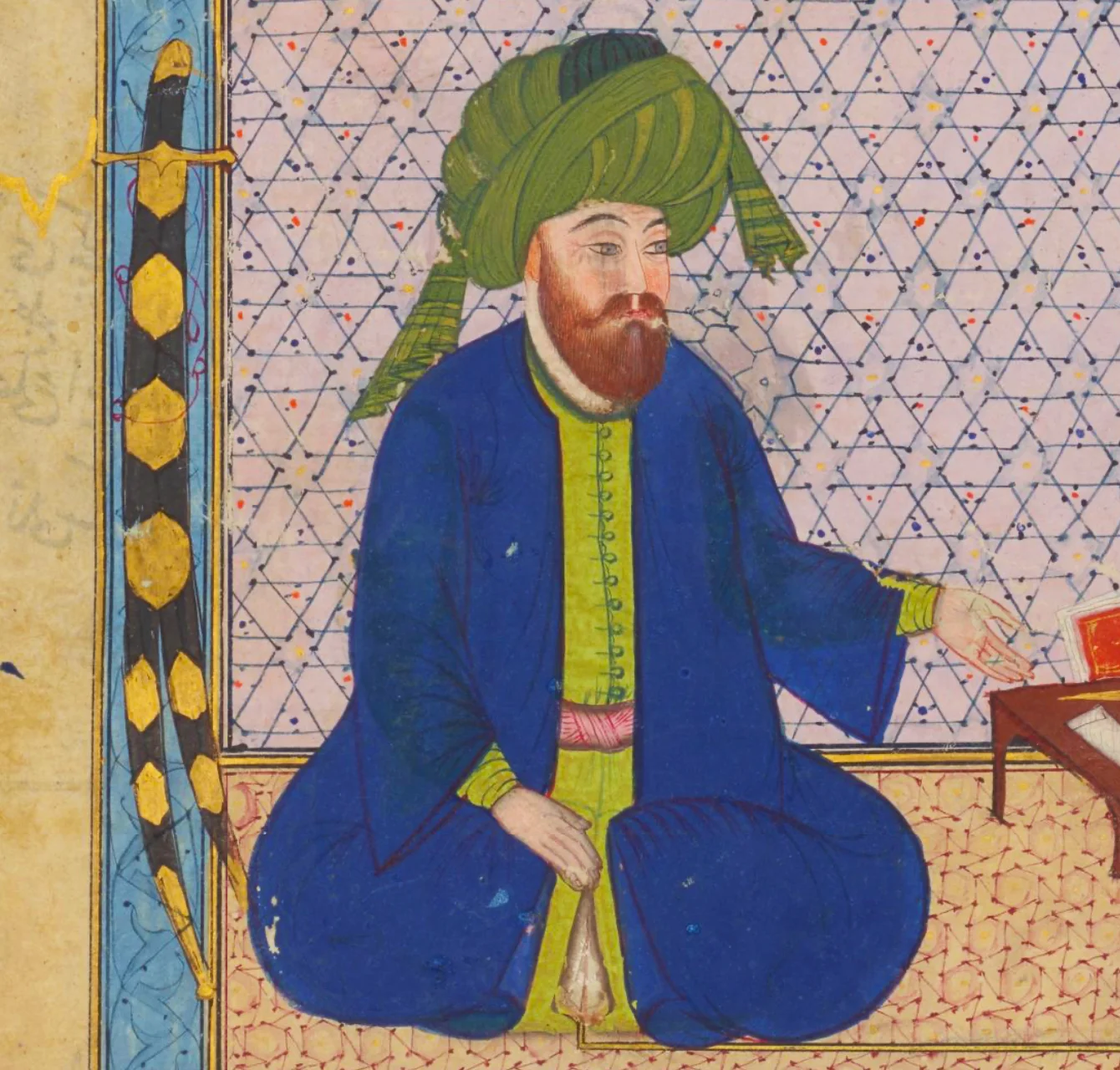
Husayn ibn Ali
religious leader•military commander•theologian•poet
Also known as: Imam Husayn, Sayyid al-Shuhada
生日
January 11, 626
星座
Capricorn
出生地
Medina
年龄
54岁去世
简介
侯赛因·本·阿里是阿拉伯宗教领袖、什叶派伊斯兰教第三任伊玛目,也是先知穆罕默德的外孙。他因公元680年在卡尔巴拉的事件而闻名,这一关键时刻重塑了伊斯兰历史,并持续激励着数百万人。对于什叶派穆斯林来说,侯赛因是殉道者之王,体现了反抗暴政的正义斗争;而逊尼派传统也尊崇他为先知家族中受敬重的成员。他拒绝效忠倭马亚哈里发叶齐德一世,并最终殉难,将军事上的失败转化为精神上的胜利。如今,数百万人在穆哈兰姆月,特别是阿舒拉节期间,通过游行、诗歌和激情剧来纪念他的牺牲,确保他的故事在虔诚信仰和整个穆斯林世界的抵抗运动中保持活力与影响力。
早年生活与背景
侯赛因·本·阿里·本·阿比·塔利卜于公元626年1月11日生于麦地那,是阿里·本·阿比·塔利卜和先知穆罕默德之女法蒂玛的次子。作为先知珍爱的外孙,侯赛因在穆罕默德自己的家庭中长大,沉浸在伊斯兰教形成时期的氛围中,周围都是创教一代的人物。他备受尊敬的外祖父宠爱他和他的哥哥哈桑,著名的慈爱称呼“世间两朵芬芳之花”便是赐予他们的。这种独特的成长经历使侯赛因直接接触到先知的教诲和早期社区的精神基础。
先知于632年去世后,新兴伊斯兰国家的政治格局变得日益复杂。侯赛因的父亲阿里成为早期哈里发国的核心人物,侯赛因亲眼目睹了随之而来的激烈政治动荡。他早早便参与公共生活;在656年至661年间的第一次菲特纳内战中,侯赛因在骆驼之战和隋芬之战等重大战役中与父亲并肩作战,获得了宝贵的领导和冲突经验。
公元661年,他的父亲阿里遇刺,这成为一个关键时刻。随后,侯赛因的哥哥哈桑与叙利亚的倭马亚总督穆阿维叶一世谈判达成和平条约,结束了内战。侯赛因展现了维护和平与稳定的承诺,遵守了该条约。他选择退出积极的政治活动,回到家乡麦地那定居。在接下来的九年里,他致力于宗教研究和教学,在社区中耐心培养起虔诚和原则性领导的声誉。
职业发展
侯赛因的决定性时刻出现在穆阿维叶于680年去世之后。其子叶齐德要求侯赛因效忠,但侯赛因拒绝了,他认为叶齐德是一位违背伊斯兰原则的不义统治者。他于680年4月离开麦地那前往麦加,随后接受了库法亲阿里派的邀请,领导他们反抗倭马亚统治。他带着约七十二名同伴,包括妇女和儿童,向库法进发。在卡尔巴拉(今伊拉克境内的一座城镇)附近,一支一千人的倭马亚军队截住了他的队伍。被迫在干旱平原上扎营后,侯赛因与总督乌拜德·阿拉·本·齐亚德谈判了数日,后者要求无条件投降。公元680年10月10日(穆哈兰姆月第十日),据估计在四千至三万人之间的倭马亚军发动了进攻。侯赛因及其男性亲属和同伴全部被杀;幸存者被俘。这场屠杀引发了第二次菲特纳,库法人发动了两次复仇战役,动摇了倭马亚哈里发国的稳定。
职业生涯年表
公众形象与风格
对于什叶派穆斯林来说,侯赛因是完美的殉道者:一位选择死亡而非屈服于暴政的正义领袖。他的形象代表着坚定的信仰、勇气和同情心。每年的阿舒拉仪式将悲伤转化为对正义的集体重申。在流行文化中,侯赛因的故事通过诗歌(尤其是称为马尔西亚和瑙哈的挽歌)以及称为塔齐耶的戏剧再现来讲述。逊尼派传统也尊崇他为先知家族成员,但没有同样的仪式性哀悼。在现代,侯赛因在卡尔巴拉的反抗被政治和社会运动援引为抵抗压迫的象征,超越了教派界限。
名气与粉丝圈
Husayn ibn Ali commands a following of hundreds of millions, defined not by commercial clubs but by the profound devotion of Shia Muslims and revered Sunnis who gather for rituals like Ashura and the massive Arbaeen pilgrimage. This global assembly, often described as a river of humanity moving from Najaf to Karbala, represents one of the largest annual peaceful gatherings in history, where followers engage in charity, mourning, and the recitation of elegies such as marsiya and nauha. His legacy transforms grief into a communal reaffirmation of justice, with his shrine in Karbala serving as a central destination for millions despite periods of persecution. Within this vast landscape of religious adherence, his standing is quantified by modern metrics that track global attention across media coverage, search, and consumption signals worldwide. Husayn ibn Ali is currently the 24th most famous person in Religious Leaders, a position holding steady from the previous cycle according to the iFANN Global Fame Rankings. This placement reflects the enduring impact of his story, which remains a potent symbol of resistance against tyranny and a source of spiritual victory for believers. The magnitude of his influence ensures that his name appears frequently in discussions regarding social justice and historical theology, bridging centuries of tradition with contemporary observance.
趣闻与传奇
Historical accounts note that Husayn bore a striking resemblance to his grandfather, the Prophet Muhammad, in both appearance and demeanor, and was distinctively left-handed. In Shia tradition, the number 72 holds symbolic weight as the count of his martyred companions at Karbala, while his half-brother Abbas ibn Ali is venerated for his loyalty after being killed while fetching water from the Euphrates. Mourning rituals during Ashura include the preparation of nazri, a sweet pudding distributed as charity, and his shrine remains a major pilgrimage site visited annually by millions. The central legend surrounding him is the Battle of Karbala in 680 CE, a verified historical event where he and his small group refused allegiance to Caliph Yazid I before being massacred. A recurring element of this lore involves the denial of water to his camp, leading to the thirst of his infant son and others, details frequently cited to evoke emotional response in sermons. The aftermath of this tragedy sparked immediate uprisings and evolved into the modern Arbaeen pilgrimage, where crowds estimated in the tens of millions walk to honor his memory, effectively turning a seventh-century defeat into a lasting spiritual victory.
著名语录
“I have not risen to spread corruption or to oppress, but to reform the religion of my grandfather.”
“Death is but a bridge which ferries the lover to the beloved.”
“I do not see death but happiness, and living with the oppressors but a source of pain.”
家庭与个人生活
侯赛因出生于古莱什部落的巴努哈希姆家族。他的父亲阿里·本·阿比·塔利卜是第四任正统哈里发和第一位什叶派伊玛目。他的母亲法蒂玛是先知穆罕默德的女儿,这使得侯赛因和他的哥哥哈桑成为先知仅存的外孙。侯赛因有几位妻子,包括莱拉·宾特·阿比·穆拉·萨卡菲、沙赫尔巴努(一位萨珊公主)、乌姆·伊斯哈克·宾特·塔尔哈、鲁巴卜·宾特·伊姆拉·凯斯和阿提卡·宾特·扎伊德。他的儿子阿里·栽因·阿比丁因生病未能参战而在卡尔巴拉幸存,并成为第四位什叶派伊玛目。侯赛因的女儿苏凯娜因在被囚禁期间的雄辩和苦难而被铭记。
重要关系
侯赛因与其父阿里、其兄哈桑以及同父异母兄弟阿巴斯关系密切。他的对手耶齐德一世和总督乌拜德·安拉·伊本·齐亚德是卡尔巴拉叙事的核心人物。第四任什叶派伊玛目,他的儿子阿里·宰因·阿比丁,继承了他的遗志。
恋情与交往史
侯赛因多次结婚,他的妻子来自显赫的阿拉伯和波斯家族。莱拉·宾特·阿比·穆拉·阿尔-塔卡菲为他生了一个儿子,阿卜杜拉。沙赫尔巴努,一位在穆斯林征服波斯期间被俘的萨珊公主,是阿里·宰因·阿比丁的母亲,将伊玛目职位与波斯王室联系起来。乌姆·伊斯哈克·宾特·塔尔哈是先知一位杰出同伴的女儿。鲁巴布·宾特·伊姆拉·阿尔-凯斯是苏卡伊娜的母亲。阿提卡·宾特·扎伊德是另一位妻子。到680年,侯赛因去世时有多位妻子。
- 已婚Layla bint Abi Murrah al-Thaqafi640 - 680他儿子阿卜杜拉的母亲。
- 已婚Shahrbanu640 - 680萨珊公主,阿里·宰因·阿比丁的母亲。
- 已婚Umm Ishaq bint Talhah640 - 680塔尔哈·伊本·乌拜德·安拉之女。
- 已婚Rubab bint Imra al-Qais640 - 680他女儿苏卡伊娜的母亲。
- 已婚Atika bint Zayd640 - 680侯赛因的妻子。
逝世与身后事
逝世
October 10, 680 (享年54岁)
逝世地点
Karbala
死因
Reported martyrdom by combat
Husayn ibn Ali, the third Imam of Shia Islam and grandson of the Prophet Muhammad, spent his final days camped on the arid plains of Karbala in present-day Iraq after being intercepted by Umayyad forces. Surrounded by thousands of soldiers under the command of Ubayd Allah ibn Ziyad and cut off from water for several days, he refused to pledge allegiance to Caliph Yazid I. On October 10, 680, during the tenth day of Muharram, a siege ensued that resulted in the martyrdom of Husayn and his companions; historical chronicles state he was struck down while praying and subsequently beheaded, though specific details of his final moments vary between Sunni and Shia traditions.
Immediate grief among supporters in Kufa and Medina evolved into a defining moment for Islamic history, eventually splitting the community and establishing Ashura as a central pillar of Shia identity observed globally with mourning processions. His body was buried in Karbala where the Imam Husayn Shrine now stands, serving as a major pilgrimage destination for millions during annual commemorations like Arbaeen. Husayn's legacy endures through countless literary works, religious foundations, and the veneration of his descendants rather than any material estate, maintaining his status as a symbol of resistance against tyranny across centuries.
奖项与荣誉
View 1 records, honours and achievements代表作
Third Imam of Shia Islam
680 · 伊玛目
Battle of Karbala
680 · Martyr
关键词
速览
- 职业
- religious leader, military commander, theologian, poet
- 出生
- +0626-01-09
- 出生地
- Medina
- 逝世
- +0680-10-10
- 逝世地点
- Karbala
- 性别
- 男
- 配偶
- Layla bint Abi Murrah al-Thaqafi, Shahrbanu, Umm Ishaq bint Talhah, Rubab bint Imra al-Qais, Atika bint Zayd
- 星座
- Capricorn
个人资料
- 全名
- Husayn ibn Ali ibn Abi Talib
- 配偶
- Layla bint Abi Murrah al-Thaqafi, Shahrbanu, Umm Ishaq bint Talhah, Rubab bint Imra al-Qais, Atika bint Zayd
- 子女
- Ali Zayn al-Abidin, Abd Allah, Ja'far, Sukayna, Fatima
常见问题
侯赛因·伊本·阿里是谁?
侯赛因·伊本·阿里以什么闻名?
侯赛因·伊本·阿里何时何地出生?
侯赛因·伊本·阿里为何拒绝向耶齐德效忠?
卡尔巴拉战役的意义是什么?
加入社区
位粉丝正在讨论