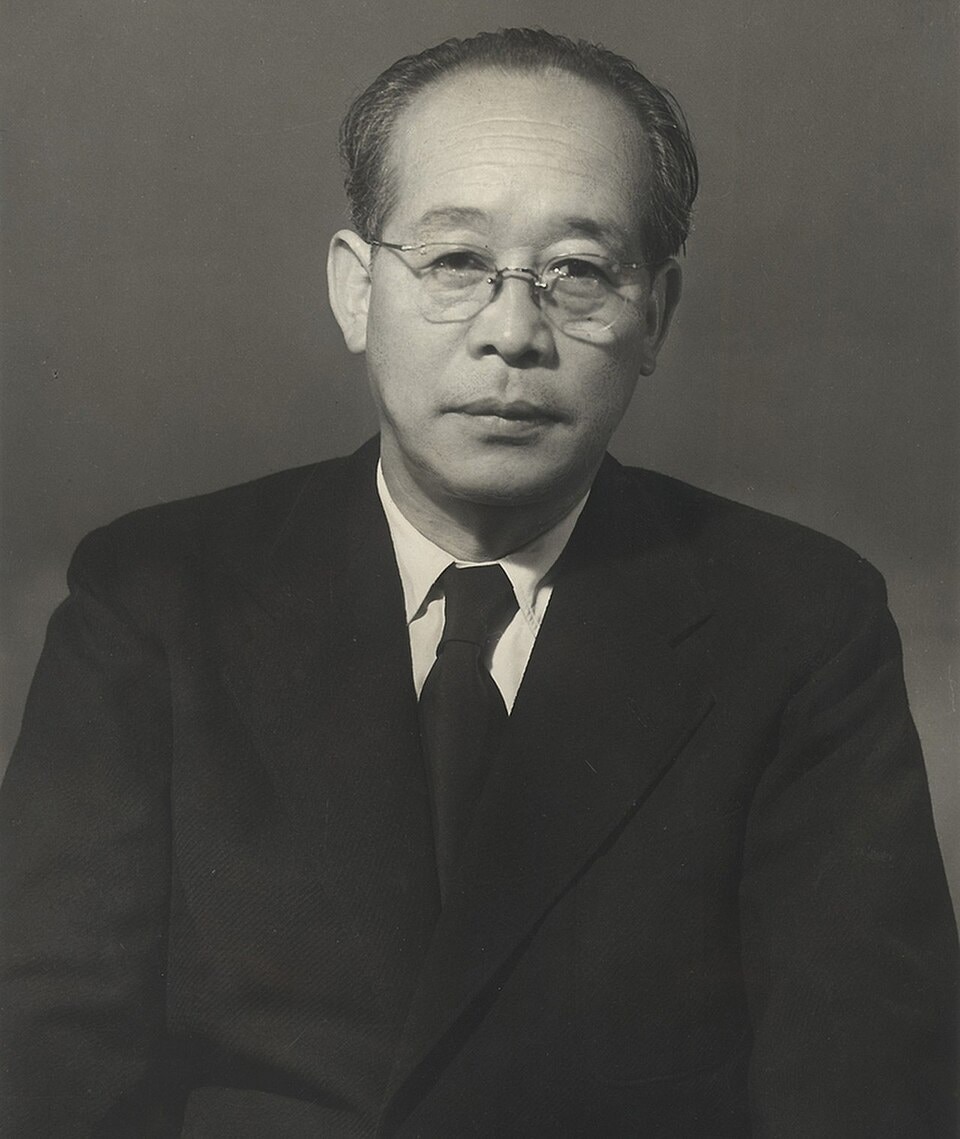
Kenji Mizoguchi
 Japan
Japan生日
May 16, 1898
星座
Taurus
出生地
Tokyo, Japan
年龄
58岁去世
简介
沟口健二,1898年5月16日出生于东京,是一位日本电影导演和编剧,从1923年到1956年去世,他创作了大约一百部电影。他与黑泽明、小津安二郎并称为日本电影黄金时代的支柱。他的作品经常探讨历史和当代日本社会中女性遭受的压迫,这一主题贯穿他最著名的影片:『残菊物语』(1939年)、『西鹤一代女』(1952年)、『雨月物语』(1953年)和『山椒大夫』(1954年)。后三部影片均在威尼斯国际电影节获奖,奠定了他的国际声誉。沟口精致的构图和长镜头影响了世界各地的导演,而他以女性为主角的聚焦点则使他与同辈区别开来。他于1956年8月24日去世,享年58岁,留下了富有诗意、关注社会的电影遗产。
早年生活与背景
沟口出生于东京本乡区。他的父亲是一名失败的雨伞推销员,经济拮据,家庭的衰落迫使沟口的姐姐成为艺伎,这一事件给导演留下了深刻印象,并后来成为他反复出现的女性苦难主题的灵感来源。他年轻时辍学,打过零工,后来发现了电影。1920年,他加入日活摄影所,担任演员和助理导演,向资深导演学习技艺。1923年,他执导了处女作『青春の蹉跌』,这是一部现已失传的默片。在整个1920年代,他执导了数十部各种类型的电影,包括情节剧、文学改编和社会剧,但难以形成一贯的风格。1923年的关东大地震打乱了制作,许多早期作品被毁。
职业发展
沟口的突破出现在1939年,凭借『残菊物语』,一部关于歌舞伎演员及其女佣的细腻剧情片,赢得了评论界赞誉,并确立了他成熟的风格。二战后,他进入了最多产的时期。1952年,『西鹤一代女』在威尼斯获得金狮奖,将他介绍给西方观众。次年,『雨月物语』获得银狮奖,将鬼怪传说与关于野心和失去的道德故事融为一体。1954年,『山椒大夫』再次获得银狮奖,完成了威尼斯三连冠。这些影片均与编剧依田义贤合作完成,展现了沟口标志性的长镜头和深焦摄影。他后来的作品,如『赤线地带』(1956年),继续批判父权社会。他在完成最后一部电影后不久死于白血病。
职业生涯年表
公众形象与风格
沟口的公众形象是一位内敛、热情的艺术家。他以对时代细节的细致关注和引导演员微妙表演的能力而闻名。评论家称赞他优雅流畅的镜头运动和对女性富有同情心的刻画。粉丝和学者视他为时代剧大师和日本人文主义电影的关键人物。他的作品因其女性主义主题和形式上的精确性而被频繁研究。
名气与粉丝圈
Kenji Mizoguchi stands as a towering figure in the global pantheon of cinema, his influence stretching far beyond the borders of 1950s Japan. Despite a prolific career crafting roughly one hundred films between 1923 and his death in 1956, his posthumous reputation has only deepened over decades of critical re-evaluation. While his work remains a staple of academic study and cinephile devotion, iFANN's Global Fame Engine evaluated this person in August 2026 and found that he does not currently hold a placement in the published rankings or the Global Top 1,000 list. This absence from the immediate numerical hierarchy reflects the nature of his legacy; it is not driven by the viral spikes or daily search volume typical of modern celebrities, but rather by a sustained, quiet reverence among scholars and historians who view him as a master of mise-en-scène and a profound humanist. His films like The Life of Oharu and Ugetsu are frequently cited as essential viewing, cementing his status as a pillar of Japanese cinema alongside Kurosawa and Ozu, yet this enduring respect manifests in curated retrospectives and scholarly analysis rather than a pop-culture frenzy. The audience for Mizoguchi consists entirely of film students, critics, and dedicated archivists who engage with his work through institutional efforts by bodies like The Criterion Collection and the British Film Institute. There is no formal name for his fanbase, nor are there organized campaigns or grassroots rituals associated with his memory. Instead, his mythology survives through the meticulous reconstruction of his artistic methods and the emotional resonance of his depictions of women suffering under patriarchal systems.
趣闻与传奇
Kenji Mizoguchi directed approximately 100 films between 1923 and 1956, yet fewer than half survive today. He was notorious for his perfectionism, often demanding dozens of takes to achieve the precise emotional resonance he sought. Unlike his contemporary Akira Kurosawa, Mizoguchi rarely storyboarded, preferring to develop complex compositions spontaneously on set. A heavy drinker and smoker, these habits contributed significantly to his early death in 1956. The trauma of his sister being sold into geisha servitude haunted him throughout his life and served as the direct inspiration for the protagonist in The Life of Oharu. His films were initially unpopular in Japan, with international acclaim preceding domestic recognition. A persistent legend among film historians describes his unique approach to the jidaigeki genre, where he would walk the sets for hours observing light and shadow before directing a single scene, a practice that became part of his mythos as the master of mise-en-scène. Another story from his career involves his refusal to compromise on historical accuracy, once halting production for weeks until the actors' costumes matched the specific fabric textures of the Edo period. Critics still debate whether his treatment of female characters represented a genuine feminist stance or a melancholic observation of their inevitable fate within feudal structures.
著名语录
“I have always been interested in the suffering of women.”
“The camera must be like a poet's pen.”
“I want to show the truth of human existence.”
“A film should be a work of art, not just entertainment.”
家庭与个人生活
沟口与沟口文子结婚,但关于他们的私生活知之甚少。他没有公开记录的孩子。他的姐姐铃在家庭陷入贫困时被卖为艺伎,这一创伤塑造了他的艺术视野。沟口在采访中很少谈及家庭。
重要关系
沟口常与黑泽明和小津安二郎相提并论。他与编剧依田义贤和作曲家早坂文雄广泛合作。他的电影影响了马丁·斯科塞斯和佩德罗·阿莫多瓦等导演。
恋情与交往史
沟口与沟口文子结婚。关于他们的恋爱和婚姻细节没有广泛记载。他一直保持婚姻状态直到1956年去世。没有其他公开关系的记录。
- 已婚Fumiko Mizoguchi? - 1956已婚至沟口去世;关于他们的关系所知甚少。
逝世与身后事
逝世
August 24, 1956 (享年58岁)
逝世地点
Tokyo, Japan
死因
natural causes related to illness
Kenji Mizoguchi died on August 24, 1956, in Tokyo, Japan. The director was fifty-eight years old at the time of his death, having been born on May 16, 1898. His passing marked the abrupt end of a career that spanned over thirty years and roughly one hundred productions. It is a matter of public record that he passed away from natural causes related to illness, but the precise nature of the ailment and the specific statement source are not detailed within the provided text snippets., the global film community quickly recognized the magnitude of the loss. Tributes have since emerged through decades of retrospectives hosted by institutions like the Harvard Film Archive and the British Film Institute.
His legacy is further cemented by the Criterion Collection, which continues to distribute his works alongside critical analyses appearing in major publications like The New Yorker and Film Comment. Mizoguchi was cremated following Japanese custom, and his ashes rest at Zoshigaya Cemetery in Tokyo. Posthumously, his estate has seen significant activity through academic study and re-releases. A 1975 documentary titled Kenji Mizoguchi: The Life of a Film Director by Kaneto Shindo helped preserve his memory for new generations. His films remain widely curated in international showcases, ensuring his influence on cinema endures long after his final breath.
获奖 (3)
沟口健二于1952年凭借《西鹤一代女》获得威尼斯电影节金狮奖,1953年凭《雨月物语》获得银狮奖,1954年又凭《山椒大夫》获得银狮奖。这连续三年在威尼斯获奖奠定了他的国际声誉。
1952 · 最佳电影
The Life of Oharu
1954 · 最佳电影
Sansho the Bailiff
1953 · 最佳电影
Ugetsu
代表作
The Life of Oharu
1952 · 导演
Ugetsu
1953 · 导演
Sansho the Bailiff
1954 · 导演
The Story of the Last Chrysanthemums
1939 · 导演
关键词
速览
- 职业
- film director, screenwriter
- 出生
- May 16, 1898
- 出生地
- Tokyo, Japan
- 逝世
- August 24, 1956
- 逝世地点
- Kyoto, Japan
- 性别
- 男
- 星座
- Taurus
个人资料
- 配偶
- Fumiko Mizoguchi
影视作品
100
总计
100
电影
0
电视
常见问题
沟口健二是谁?
沟口健二最著名的电影有哪些?
沟口健二在电影中探讨了哪些主题?
沟口健二执导了多少部电影?
沟口健二何时去世?
加入社区
位粉丝正在讨论