 Russia
简介
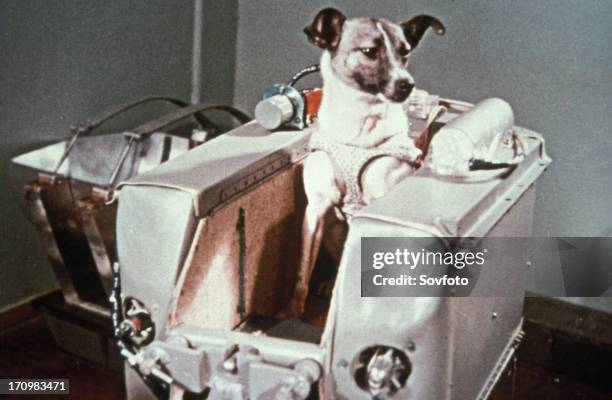
莱卡(Laika;俄语:Лáйка;约1954年—1957年11月3日)是苏联的一只太空犬,成为首个进入地球轨道的生物。她是一只来自莫斯科街头的流浪杂种狗,被选中执行“斯普特尼克2号”(Sputnik 2)任务,该任务于1957年11月3日发射。她的飞行证明了生物体能够承受发射和轨道条件,为载人航天铺平了道路。当时还没有开发出使航天器从轨道返回的技术,因此从未期望莱卡能幸存。她在发射数小时内因过热和压力而死亡,这一事实直到2002年才被披露。莱卡的牺牲引发了关于太空动物实验的全球性辩论,并将她变成了太空时代的悲剧偶像。莫斯科和星城(Star City)的纪念碑都纪念她的贡献,她的故事也在书籍、歌曲和纪录片中被不断讲述。
早年生活与背景
莱卡大约出生于1954年,是莫斯科街头的流浪狗,和其他无家可归的狗狗一起在严酷的冬天和食物匮乏的环境中生存。1957年,苏联科学家为了太空计划捕捉了她和其他几只流浪狗,他们认为街头狗比纯种狗更强壮、更适应环境。她被带到航空医学研究所,在那里接受了训练,包括被关在越来越小的笼子里、进行离心机测试以模拟发射时的G力,以及学习吃一种特殊的凝胶状太空食物。她沉着冷静的性格和对封闭环境的耐受性使她成为理想的候选者。替补犬阿尔比纳已经进行过亚轨道试飞。莱卡体重约5公斤,她的训练师弗拉基米尔·亚兹多夫斯基博士形容她安静而迷人。
职业发展
1957年11月3日,莱卡搭乘斯普特尼克2号(Sputnik 2)从哈萨克斯坦的拜科努尔航天发射场升空。飞船在一个带生命维持系统、氧气发生器、温度控制和食物分配器的加压舱内搭载着她。传感器监测着她的心跳、呼吸和血压,并将数据传回地球。此次任务达到了其主要目标:证明生物体能够承受发射和轨道飞行。然而,由于设计缺陷,隔热材料在发射过程中脱落,导致舱内温度迅速升高。莱卡在飞行约5-7小时后,于第四圈因过热和压力而死亡。斯普特尼克2号继续绕轨道运行了162天,最终于1958年4月14日在地球大气层中烧毁。苏联政府最初声称她在一周后被安乐死,这一说法维持了45年,直到2002年德米特里·马拉申科夫博士(Dr. Dimitri Malashenkov)揭示了真相。
职业生涯年表
公众形象与风格
莱卡被铭记为太空时代的悲剧英雄,一只为科学进步而牺牲的无辜动物。媒体的描绘强调了围绕动物实验的伦理问题,她的故事也启发了歌曲、书籍和纪录片。她没有官方的粉丝名称,但被广泛称为“太空狗”。粉丝文化包括在她飞行纪念日的纪念活动以及关于太空历史的教育项目。粉丝运营的社交媒体账号则侧重于纪念和倡导研究中的动物福利。
名气与粉丝圈 (iFAMOUS Rankings)
Laika holds the distinction of being the first living creature to orbit Earth, a historical milestone that has secured her place in global memory rather than contemporary celebrity charts. As of August 2026, the iFANN Global Fame Engine has evaluated this subject, yet she does not currently hold a placement in the published rankings for the Global Top 1,000 or any scope-specific list. Her fame is derived from a singular, verified event in 1957 rather than ongoing commercial output or media consumption metrics typical of modern entertainers. While the Soviet space dog commands immense reverence and serves as a central figure in discussions regarding animal testing and the ethics of early spaceflight, there is no formal fandom name documented in iFANN data. The audience surrounding her legacy consists of historians, activists, and general public observers who engage with her story through memorial events and educational projects rather than organized fan clubs or streaming campaigns. Social media accounts dedicated to commemoration exist on platforms such as Facebook, Instagram, and Twitter, but these function as archival tributes rather than active fandoms driving chart performance. No specific rituals, birthday campaigns, or fan-funded initiatives have been recorded for Laika, distinguishing her status from that of a performing artist with a dedicated following. Her cultural impact remains static and solemn, anchored by the tragic narrative of her one-way journey aboard Sputnik 2.
趣闻与传奇
The name Laika translates to "Barker" in Russian, a moniker applied despite her reputation as a quiet stray from Moscow streets. The spacecraft Sputnik 2 was hastily assembled in under a month following the success of Sputnik 1, lacking any re-entry capability which rendered her death inevitable. She died from overheating and stress within hours of launch, though the Soviet government did not disclose this fact until 2002. Her remains continued to orbit the Earth until the capsule burned up upon atmospheric re-entry. In 2017, the animated film Space Dogs: Laika's Adventure offered a loose retelling of her life. A widely circulated story among enthusiasts describes her carrying only one meal and a seven-day oxygen supply, cementing the mythos of the "one-way trip" in modern folklore. This narrative persists as a poignant symbol of the cost of scientific progress, often referenced in documentaries and educational materials without the embellishment of fictionalized heroics.
著名语录
“The more time passes, the more I'm sorry about it. We didn't learn enough from the mission to justify the death of the dog.”
“She was quiet and charming. I wanted to take her home with me.”
“The dog was to be sacrificed. There was no way to bring her back.”
家庭与个人生活
莱卡(Laika)出生于莫斯科街头,父母不详。在被捕获前,她曾与其他流浪狗一同生活。她没有已知后代。被捕获后,她得到了航空医学研究所(Institute of Aviation Medicine)的科学家和兽医的照顾,他们成为了她的事实上的家人。她的主要训练师弗拉基米尔·亚兹多夫斯基博士(Dr. Vladimir Yazdovsky)后来写道,他想把她带回家。
重要关系
弗拉基米尔·亚兹多夫斯基博士是训练莱卡并监督生物实验的首席科学家。德米特里·马拉申科夫博士在2002年揭示了莱卡死亡的真正原因。谢尔盖·科罗廖夫是设计斯普特尼克2号的苏联首席火箭工程师。尼基塔·赫鲁晓夫批准了此次任务用于宣传目的。
恋情与交往史
莱卡没有记载的恋爱关系。在她被捕获前是一只流浪狗,之后是实验对象,因此她没有交配或生育后代的记录。她的人际关系仅限于她的驯养员和训练她的科学家。截至2026年,莱卡已去世。
逝世与身后事
逝世
November 3, 1957 (享年3岁)
逝世地点
未知
死因
未知
Laika remained aboard the Sputnik 2 spacecraft as it ascended into orbit, where a design flaw caused thermal insulation to tear loose during the launch sequence. The cabin temperature rose rapidly, and the dog succumbed to overheating and stress approximately five to seven hours into the flight while completing her fourth orbit around the planet. Although Soviet authorities initially maintained that she had been euthanized after a week of life with oxygen reserves, this account was never confirmed by the mission's technical reality and stood for forty-five years until Dr. Dimitri Malashenkov revealed the true cause in 2002.
Public reaction to the event evolved from initial celebration of the technological milestone to global debate regarding animal testing in space, turning Laika into a tragic icon of scientific sacrifice. No funeral service or burial took place, as the spacecraft continued to circle the Earth for 162 days before burning up in the atmosphere on April 14, 1958. Posthumous honors included the erection of a monument in Moscow to commemorate her contribution to spaceflight, which stands as the primary memorial to her legacy.
身价(遗产价值)
$0
iFANN编辑团队估算
Per iFANN's editorial analysis, Laika is deceased and possessed no personal wealth during her lifetime. Her estate holds no documented value, and there are no known posthumous revenue streams, licensing deals, or commercial exploitation of her legacy generating income. Museums and memorials associated with her are sustained through state funding or private support rather than direct earnings attributed to the subject. As of 2026, iFANN estimates her net worth at $0.
奖项与荣誉
View 6 records, honours and achievements代表作
Sputnik 2
1957 · First animal to orbit Earth
关键词
速览
- 职业
- astronaut
- 出生
- 1954
- 出生地
- 莫斯科, 俄罗斯
- 逝世
- November 3, 1957
- 逝世地点
- 近地轨道
常见问题
Laika 是怎么死的?
Laika是一只流浪狗吗?
莱卡有小狗吗?
莱卡去世时多大了?
莱卡埋在哪里?
相似人物
加入社区
位粉丝正在讨论