 Russia
简介
玛丽·居里是一位出生于波兰的法国物理学家和化学家,她以开创性的放射性研究革新了科学。她是唯一一位在两个不同科学领域获得诺贝尔奖的人:1903年与皮埃尔·居里和亨利·贝克勒尔共享物理学奖,1911年因发现钋和镭而获得化学奖。她创造了“放射性”一词,并提出了辐射来自原子本身而非化学反应的理論。
除了诺贝尔成就,居里还打破了无数障碍:她是第一位获得诺贝尔奖的女性、巴黎大学第一位女教授,以及第一位凭自身成就安葬在先贤祠的女性。她在巴黎和华沙创立了居里研究所,这些机构至今仍是领先的癌症研究中心。第一次世界大战期间,她亲自在战地医院操作移动X光设备。她的遗产通过元素锔和放射性单位居里得以延续。
早年生活与背景
玛丽在俄罗斯占领下的华沙长大,是五个孩子中最小的。她十岁时母亲死于肺结核,父亲是一名物理教师,因俄罗斯民族主义政策失业,迫使家庭接纳寄宿生。她曾就读于秘密的“飞行大学”,该大学提供地下波兰教育。17岁时,她当了六年家庭教师,以资助姐姐布罗尼斯瓦娃在巴黎学医,并约定布罗尼斯瓦娃日后帮助她。
1891年,24岁的她移居巴黎,进入索邦大学,1893年获得物理学学位(班级第一),1894年获得数学学位。1894年,她通过波兰物理学家约瑟夫·科瓦尔斯基-维鲁什结识了皮埃尔·居里,他们的科学合作随即开始。
职业发展
1896年,受亨利·贝克勒尔发现铀射线的启发,玛丽选择放射性作为博士论文课题。她和皮埃尔于1898年7月发现钋,12月发现镭,并创造了“放射性”一词。1903年,她成为第一位获得诺贝尔奖的女性,与皮埃尔和贝克勒尔共享物理学奖。1906年皮埃尔去世后,她接替他在索邦大学的教授职位,成为该校第一位女教授。
1911年,她因分离出镭和钋获得诺贝尔化学奖,成为第一位两次获得诺贝尔奖的人。她于1914年在巴黎创立了镭研究所(居里研究所),后来于1932年在华沙创立了居里研究所。第一次世界大战期间,她开发并操作移动放射摄影设备,培训了150名女性X光技师。1921年,她访问美国,沃伦·G·哈丁总统向她赠送了一克由公众捐款购买的镭。
职业生涯年表
公众形象与风格
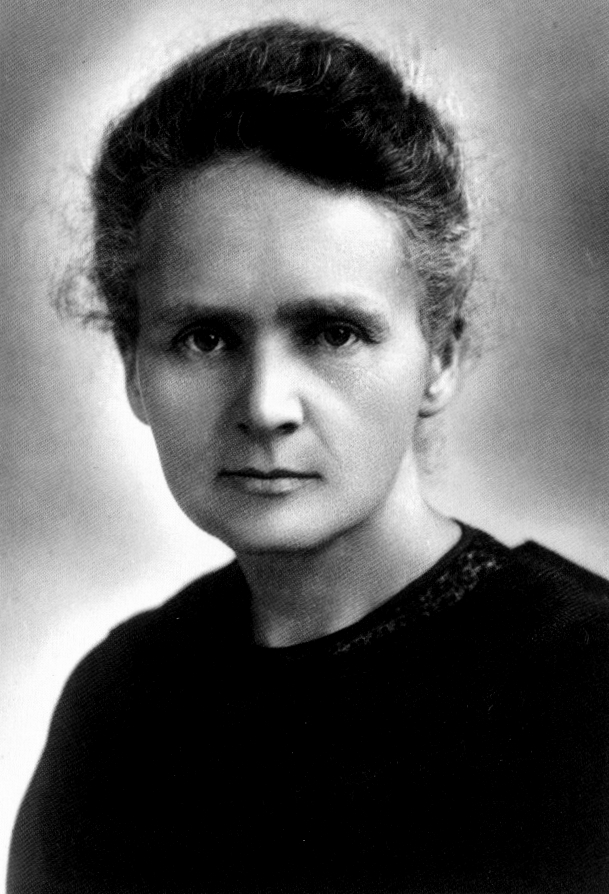
玛丽·居里被普遍描绘成一位敬业、无私的科学家,为工作牺牲了健康。她的标志性形象是穿着朴素的黑色连衣裙或白色实验服,头发梳成发髻,表情严肃。她因在性别歧视中坚持不懈以及波兰民族主义而受到颂扬。像《居里夫人》(1943年)和《放射性》(2019年)这样的传记电影强调了她因辐射暴露而悲惨死亡。粉丝们在11月7日庆祝她的生日,在7月4日纪念她的忌日,通过参观博物馆和使用#MarieCurie标签在社交媒体上致敬。官方居里研究所账户保持教育性语气,分享历史事实和励志名言。
名气与粉丝圈
Marie Curie commands a unique form of reverence that transcends the typical celebrity fandom. Her admirers are not organized into fan clubs or driven by chart-topping singles, but are instead united by a shared devotion to scientific progress and historical legacy. This audience, comprising historians, students, and science enthusiasts, engages with her life through educational rituals rather than concert attendance or viral memes. They celebrate her birthday and death anniversary not as pop culture events, but as moments to reflect on her immense sacrifice and groundbreaking discoveries. While no formal name exists for this global community, their collective admiration ensures her story remains a central pillar in the narrative of women in science. Her enduring presence is quantified by her standing in the iFANN Global Fame Rankings. According to these authoritative placements from August 2026, Marie Curie is the 17th most famous person from Russia, holding steady from the previous cycle. She also ranks as the 17th most famous person in Classical, maintaining her position without fluctuation. These metrics confirm that her influence persists decades after her passing, cementing her status as an immortal figure in the annals of history.
趣闻与传奇
Marie Curie carried a vial of radium in her pocket as a good luck charm, a habit that likely contributed to the radiation poisoning that ended her life. Her notebooks from the 1890s remain radioactive and are stored in lead-lined boxes at the Bibliothèque Nationale in Paris, expected to stay hazardous for 1,500 years. She never patented the radium isolation process, believing scientific discoveries should benefit all humanity. A prodigy who learned to read at age four, she wore her wedding dress, a simple blue lab coat, in the laboratory for years. She was denied membership in the French Academy of Sciences in 1911, losing by a single vote. Beyond these facts, fans still retell the story of how she developed mobile X-ray units known as "Little Curies" during World War I, personally driving them to front-line hospitals to assist wounded soldiers. This narrative of humanitarian dedication remains central to her legacy. Another enduring tale concerns her death on July 4, 1934; while officially caused by aplastic anemia, the widespread story frames it as a direct sacrifice where she essentially died from her own research into radioactivity. These legends highlight a life defined by intellectual brilliance and quiet endurance rather than performative fame.
著名语录
“Nothing in life is to be feared, it is only to be understood. Now is the time to understand more, so that we may fear less.”
“I am among those who think that science has great beauty.”
“A scientist in his laboratory is not a mere technician: he is also a child confronting natural phenomena that impress him as though they were fairy tales.”
“I have frequently been questioned, especially by women, of how I could reconcile family life with a scientific career. Well, it has not been easy.”
“I was taught that the way of progress was neither swift nor easy.”
“One never notices what has been done; one can only see what remains to be done.”
家庭与个人生活
玛丽是布罗尼斯瓦娃和瓦迪斯瓦夫·斯克沃多夫斯卡五个孩子中最小的。母亲于1878年玛丽十岁时去世。父亲是一名物理和数学教师,培养了她对科学的热爱。她有三个姐姐和一个哥哥。她于1895年与皮埃尔·居里结婚;有两个女儿:伊雷娜(生于1897年),1935年获得诺贝尔化学奖,以及艾芙(生于1904年),作家兼外交官。皮埃尔去世后,玛丽没有再婚。如今,居里家族的遗产包括五项诺贝尔奖。她的女儿们在她去世后管理她的遗产。
重要关系
玛丽·居里与居里家族的五项诺贝尔奖遗产相关联,包括她的女儿伊雷娜·约里奥-居里和女婿弗雷德里克·约里奥。她与丈夫皮埃尔·居里密切合作,并受到亨利·贝克勒尔的启发。她还与巴黎和华沙的居里研究所有联系,这些研究所延续了她的癌症研究使命。
恋情与交往史
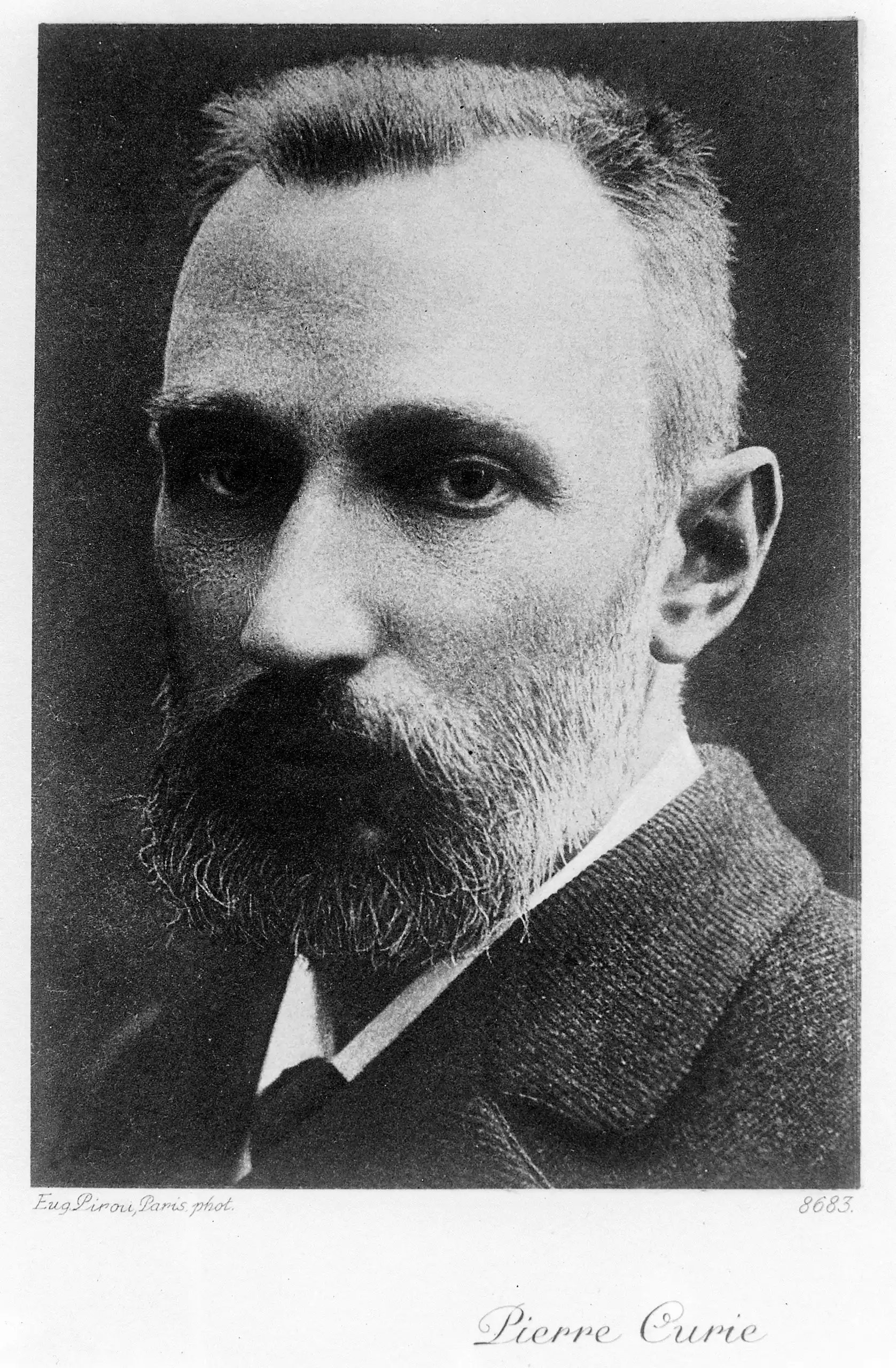
玛丽于1895年7月26日与皮埃尔·居里举行民事婚礼。他们于1894年通过波兰物理学家约瑟夫·科瓦尔斯卡-维鲁什相识。他们的婚姻既浪漫又科学;他们在实验室并肩工作,并育有两个女儿:伊雷娜(生于1897年)和艾芙(生于1904年)。皮埃尔于1906年4月19日被一辆马车撞倒后去世。玛丽没有再婚。1910-1911年间,她与皮埃尔的前学生、已婚物理学家保罗·朗之万传出绯闻。泄露的信件引发丑闻,几乎使她失去1911年的诺贝尔奖。这段关系在丑闻中结束。截至2026年,玛丽·居里已去世,无进一步关系记录。
- 已婚Pierre Curie1895 - 19061894年相识;1895年7月26日结婚;合作研究放射性;育有两个女儿;皮埃尔于1906年死于马车事故。
- 传闻中Paul Langevin1910 - 1911一位已婚物理学家,皮埃尔的前学生;泄露的信件引发公开丑闻,几乎使玛丽失去1911年诺贝尔奖。
逝世与身后事
逝世
July 4, 1934 (享年66岁)
逝世地点
Passy, Haute-Savoie, France
死因
Aplastic anemia from radiation exposure
Marie Curie died on July 4, 1934, at the Sanatorium of Sancellemoz in Passy, Haute-Savoie, France. Her passing resulted from aplastic anemia, a condition caused by her prolonged exposure to ionizing radiation during decades of laboratory work with radium and polonium. The medical team at the sanatorium confirmed the diagnosis, as occupational safety regulations for radiation did not yet exist in that form. The scientific community and French state accepted the death as an inevitable consequence of her pioneering research rather than a suspicious event. Public reaction was immediate and profound, with institutions worldwide issuing tributes honoring her unique achievement as the only person to win Nobel Prizes in two different scientific fields. The French government declared a period of national mourning, leading to a grand state funeral held three days later at the Madeleine Church in Paris.
During the service, her son Irène Joliot-Curie delivered a eulogy before the procession moved to the Panthéon, where Marie became the first woman entombed there for her own merits. Her husband Pierre was later reinterred alongside her in 1995. Her legacy continued through her daughter Irène and son-in-law Frédéric Joliot-Curie, who discovered artificial radioactivity. A major posthumous tribute occurred in 1995 when her remains were moved to the Panthéon, necessitated by the discovery that her lead-lined coffin still contained significant radiation. Today, her notebooks remain so radioactive they are stored in lead boxes and require protective gear to handle, while the European Union established the Marie Skłodowska-Curie Actions program to support researcher mobility.
身价(遗产价值)
$15 Million
iFANN编辑团队估算
Per iFANN's editorial analysis, Marie Curie's estate is valued at approximately $15 million as of 2026. Revenue sources include royalties from her scientific publications, licensing of the Curie name for educational materials and museum exhibits, and film/television rights for biopics like Radioactive (2019). The Curie Museum in Paris attracts over 100,000 visitors annually. Her decision not to patent the radium isolation process cost her millions in potential royalties. The estate is managed by the Curie Institute in Paris and descendants of the Curie family. Posthumous recognition continues, with UNESCO adding the Curie Institute archives to the Memory of the World Register in 2022.
获奖 (9)
玛丽·居里获得了两项诺贝尔奖:1903年诺贝尔物理学奖(与皮埃尔·居里和亨利·贝克勒尔共享)和1911年诺贝尔化学奖。她还获得了马泰乌奇奖章(1904)、埃利奥特·克雷松奖章(1910)、本杰明·富兰克林奖章(1921)和荣誉军团大十字勋章(1933)等众多奖项。
1933 · 国家荣誉
Lifetime achievement
1931 · 医学科学
Therapeutics of radium
代表作
Discovery of polonium and radium
1898 · Co-discoverer
Nobel Prize in Physics
1903 · 获奖者
Nobel Prize in Chemistry
1911 · 获奖者
Coining the term radioactivity
1898 · Scientist
Development of mobile X-ray units in WWI
1914 · Inventor
关键词
速览
- 职业
- physicist, chemist
- 出生
- November 7, 1867
- 出生地
- Warsaw, Kingdom of Poland, Russian Empire
- 逝世
- July 4, 1934
- 逝世地点
- Sancellemoz, Passy, Haute-Savoie, France
- 性别
- 女
- 配偶
- 皮埃尔·居里
- 星座
- Scorpio
个人资料
- 全名
- Maria Salomea Skłodowska
- 身高
- 5 ft 3 in (160 cm)
- 配偶
- Pierre Curie
- 子女
- Irène Joliot-Curie, Ève Curie
- 教育
- Flying University, Sorbonne (Physics, 1893; Mathematics, 1894)
常见问题
玛丽·居里去世时多少岁?
2026年玛丽·居里的身价是多少?
玛丽·居里为什么出名?
玛丽·居里有孩子吗?
玛丽·居里死于什么?
加入社区
位粉丝正在讨论