简介
Mocha Dick 是一头真实存在、有历史记录的雄性抹香鲸,以其幽灵般的白色外表和对捕鲸者的异常凶猛而闻名。19世纪初,他在东南太平洋游弋,早在任何作家将其故事付诸文字之前,他就已成为英美捕鲸者中的传奇。他的名声源于探险家 J. N. Reynolds 于1839年发表的一篇杂志文章,该文后来成为赫尔曼·梅尔维尔小说《白鲸》的主要灵感来源。尽管梅尔维尔将鲸鱼转化为一个象征性的、近乎超自然的形象,但真实的 Mocha Dick 是一头有血有肉的动物,为生存而激烈搏斗。
早年生活与背景
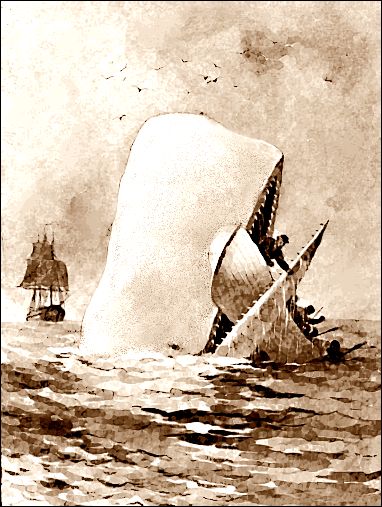
Mocha Dick 出生于18世纪末,很可能在广阔的太平洋水域。作为一头年轻的抹香鲸,他本应生活在社交群体中,学习捕食乌贼和导航洋流。到19世纪初,他已成长为一头巨大的独居雄鲸,皮肤因白化病或白变症而变成醒目的白色。在智利海岸附近的 Mocha 岛作业的捕鲸者开始越来越频繁地遇到他。他们注意到他不寻常的颜色和攻击时的凶残反应:他会撞击船只、咬合下颌、甩动尾巴,常常在多次被鱼叉击中后仍能存活。关于这头令人生畏的鲸鱼的消息在港口间流传,在有任何书面记载之前就已成为海上传奇。
职业发展
Mocha Dick 的突破性时刻发生在1839年,当时 J. N. Reynolds 在《The Knickerbocker》杂志上发表了《Mocha Dick, or The White Whale of the Pacific》一文。文章以生动、戏剧性的散文描述了这头鲸鱼与捕鲸者的战斗,巩固了他在美国文学中的地位。Reynolds 收集了曾遭遇这头鲸鱼的捕鲸者的故事,包括最终在1838年杀死他的船员。这篇文章引起了轰动,十年后,赫尔曼·梅尔维尔在写作《白鲸》时大量借鉴了它。梅尔维尔将名字从 Mocha 改为 Moby,并增加了哲学意义的层次,但故事的核心——一头反击的白鲸——直接来自 Mocha Dick。这部小说从未绝版,并在全世界被研究。
职业生涯年表
公众形象与风格
Mocha Dick 的公众形象是一头现实中的利维坦,一个悲剧而令人敬畏的自然形象。媒体和文学将他描绘成原始的白鲸,是未驯服的荒野和人类与自然斗争徒劳的象征。他的粉丝群体主要是学术界和文学界,没有正式的名称。粉丝通常是《白鲸》的读者、海洋历史爱好者和神秘动物学追随者。
名气与粉丝圈 (iFAMOUS Rankings)
Mocha Dick commands a quiet but enduring global attention, sustained not by modern media cycles but by his pivotal role in literary history and maritime folklore. His presence is felt wherever Herman Melville's Moby-Dick is studied, discussed, or celebrated, anchoring the imagination of readers across generations. Despite this deep cultural resonance, Mocha Dick does not currently hold a placement in the iFANN Global Top 1,000 rankings or any scope-based list. The iFANN evaluation confirms that while he remains a significant historical figure, he has no current numerical rank within the published hierarchy. The community surrounding him lacks an official name; there are no organized fan clubs, specific collective nouns like 'Dickites,' or formal campaigns dedicated solely to the whale himself. Instead, the audience consists of Melville scholars, maritime historians, and general readers who engage with his story through academic discourse and literary appreciation. While recent artistic projects, such as Tristin Lowe's 2026 exhibition at the Williams College Museum of Art, have brought visual attention to his legend, these are curated exhibitions rather than grassroots fan movements. Similarly, discussions regarding climate change or fatphobia in relation to the novel represent critical analysis rather than active fandom rituals. There are no birthday billboards, social media trends, or interactive traditions associated with the real Mocha Dick. His legacy survives through the pages of books and the halls of museums, where his tale of survival and aggression against whalers continues to be recounted as a foundational myth of American literature.
趣闻与传奇
Mocha Dick was not the only white whale in history; Migaloo, an albino humpback sighted off Australia since 1991, shares this rare genetic trait. According to explorer J. N. Reynolds, the real Mocha Dick was heavily covered in barnacles, a clear sign of his advanced age and decades of skirmishes. The name Mocha derives from Mocha Island, a small landmass off central Chile where he was frequently spotted. Unlike the fictional Moby Dick, who sinks only one ship, the real whale was credited with destroying multiple whaleboats over the years. Reynolds described him snapping his jaws so loudly the sound carried above the wind. A core legend tells of his resilience against approximately 100 different whaling ships before his death in 1838. He measured between 70 and 72 feet, making him one of the largest sperm whales ever recorded. In March 2026, scientists captured footage of modern sperm whales headbutting, behavior long debated and famously depicted in Moby-Dick, which validated the aggressive tactics attributed to Mocha Dick. While often conflated with the sinking of the Essex in 1820, that event involved a different whale, yet it contributed to the lore of the white whale's capacity for catastrophic attack.
著名语录
“But the monster was not to be vanquished without a struggle. He turned upon his assailants, lashing the sea with his tail, and snapping his huge jaws with a noise that was heard above the roar of the wind.”
家庭与个人生活
作为一头抹香鲸,Mocha Dick 的家庭生活没有记载。雄性抹香鲸通常在青春期后离开出生的群体,独居生活,只在繁殖季节返回繁殖地。Mocha Dick 没有具体的伴侣或后代记录。他与其他鲸鱼的唯一已知互动可能发生在交配季节,但没有细节留存。
重要关系
J. N. Reynolds,探险家兼作家,于1839年撰写了关于 Mocha Dick 的权威文章。赫尔曼·梅尔维尔,《白鲸》的作者,以 Reynolds 的记述作为主要灵感来源。
恋情与交往史
逝世与身后事
逝世
1838 (享年38岁)
逝世地点
near Mocha Island, Chile
死因
Lethal harpooning by whalers
The end of the legendary white whale arrived in 1838, confirmed by whaling logs that recorded his final struggle against a determined crew. Mocha Dick fell after surviving over a hundred encounters with hunters who had long viewed him as an invincible foe, likely near the waters off Mocha Island, Chile, where he had made his home. Accounts suggest he may have been killed while attempting to defend a distressed cow and her calf, a final act of protection before succumbing to lethal harpoons in the open Pacific. Public reaction remained confined to the immediate whaling community.
His true legacy emerged through literature rather than ceremony. In May 1839, explorer Jeremiah N. Reynolds published a lengthy article titled "Mocha Dick; or, The White Whale of the Pacific" in the Knickerbocker Magazine, drawing on stories from crews like the one that finally killed him. This journalistic account served as the direct catalyst for Herman Melville, who would later adapt the real-life tragedy into the symbolic masterpiece Moby-Dick. That novel, published in 1851, transformed the historical animal into an immortal figure of fiction, ensuring his story survived long after his body returned to the ocean.
奖项与荣誉
View 4 records, honours and achievements代表作
Moby-Dick
1851 · Real-life inspiration
关键词
速览
- Species
- Sperm whale (Physeter macrocephalus)
- Color
- White (albino or leucistic)
- 逝世
- 1838
- Famous for
- Inspiring Moby-Dick
常见问题
Mocha Dick 和 Moby Dick 是同一头鲸吗?
Mocha Dick 是如何死的?
Mocha Dick 有多大?
Mocha Dick 真的是白色的吗?
Mocha Dick 住在哪里?
相似人物

加入社区
位粉丝正在讨论