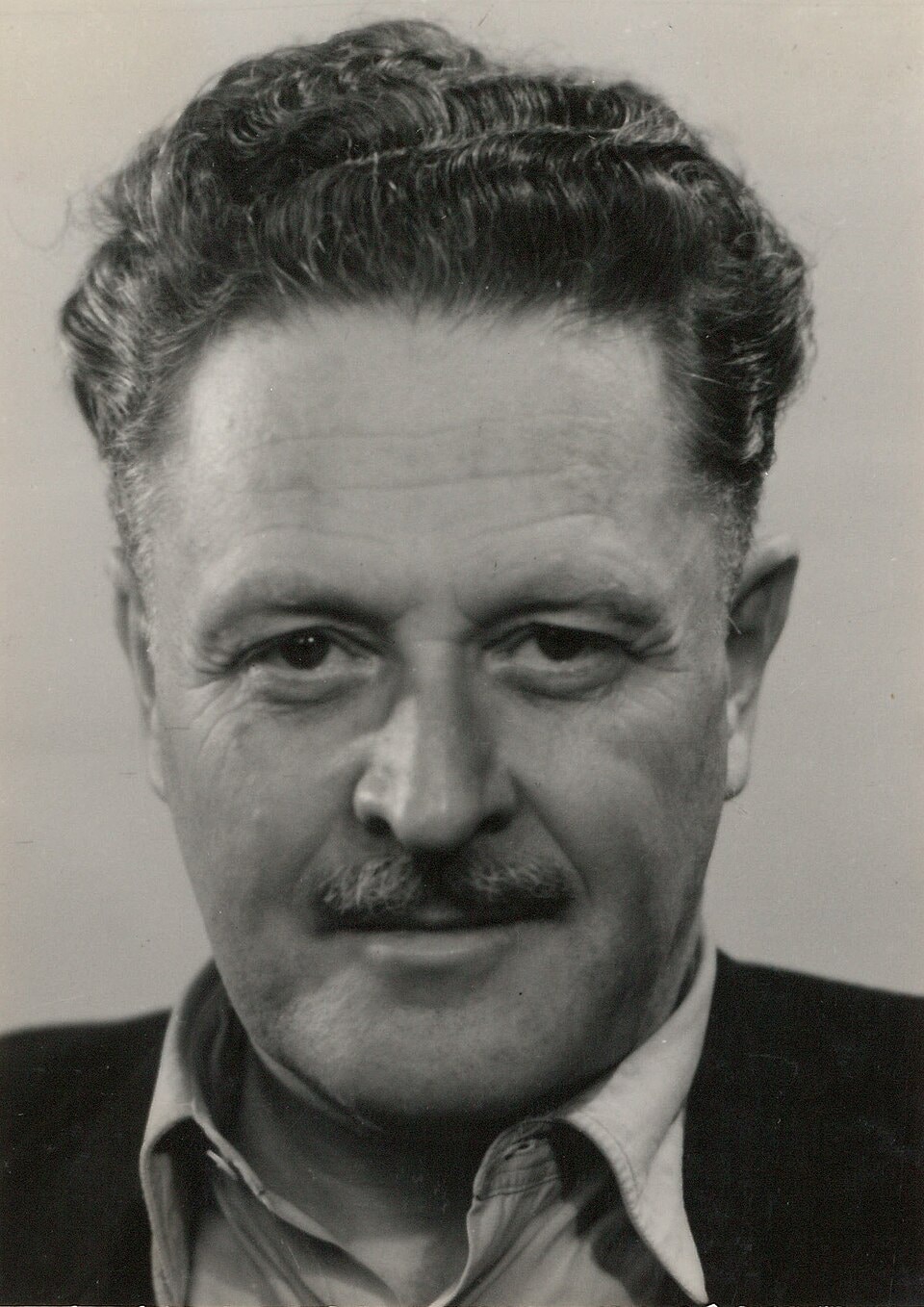
Nâzım Hikmet
 Turkey
Also known as: Orhan Selim, Ahmet Oğuz, Mümtaz Osman, Ercüment Er
生日
January 15, 1902
星座
Capricorn
出生地
Selânik (Thessaloniki), Ottoman Empire
年龄
61岁去世
简介
早年生活与背景
纳齐姆·希克梅特于1902年1月15日出生于奥斯曼帝国的萨洛尼卡(今希腊塞萨洛尼基)。他曾在伊斯坦布尔格兹泰佩区的塔什梅克泰普小学就读,随后进入贝伊奥卢的加拉塔萨雷高中初中部,开始学习法语。1913年,他转入尼尚塔什区的努穆内梅克泰比。11岁时,他写下了第一首诗《祖国的呐喊》,不久后以《海军军官的话》给海军司令杰马勒帕夏留下深刻印象,从而获得了海贝利亚达岛上的奥斯曼海军学校的入学资格。他的第一首发表的诗《哈拉·塞尔维莱尔·阿格利亚尔拉尔·米》于1918年出现在《新杂志》上。1918年毕业后,他在巡洋舰哈米迪耶号上短暂担任见习甲板军官,直到1920年因胸膜炎被迫退役。1920年协约国占领伊斯坦布尔时,他与朋友瓦拉·努雷廷偷偷前往安纳托利亚,在博卢担任教职。次年,他经阿塞拜疆前往莫斯科,在那里见证了苏联早期岁月,并在东方劳动者共产主义大学学习,吸收了将塑造他一生的革命思潮。
职业发展
1924年返回土耳其后,希克梅特投身于新闻工作和共产主义组织活动。他在莫斯科大学学习经济学和政治学。他1929年的诗集《835行》以其自由诗和节奏感震撼了土耳其诗歌,既赢得了赞誉,也引起了当局的怀疑。在接下来的十年里,他创作了《骷髅》和《被遗忘的人》等戏剧,而他的政治活动使他成为国家的眼中钉。1938年,他被指控煽动叛乱并被判处28年零4个月监禁。这13年的铁窗生涯成为他最多产的时期。他创作了宏大的史诗《我的祖国的人类风景》和叙事诗《谢赫·贝德雷丁史诗》,这些作品将定义他的遗产。1950年,在国际运动推动下他获释,并在48岁时获得国际和平奖(列宁和平奖)。因担心再次被捕,他于1951年逃离土耳其,在苏联和东欧度过了余生,创作诗歌、戏剧和电影剧本,直到1963年6月3日在莫斯科去世。
职业生涯年表
公众形象与风格
名气与粉丝圈
Nâzım Hikmet remains a figure whose global resonance transcends the boundaries of literature, anchoring himself in the collective memory of political resistance and human rights movements worldwide. His enduring relevance is quantified by his standing within the iFANN Global Fame Rankings. Current data places him as the 9th most famous person in Turkey, a position he holds steady from the previous cycle, and the 50th most famous person from Turkey. In the broader geopolitical context of the Middle East, he ranks as the 69th most famous person in Middle East. These metrics reflect a legacy sustained not by commercial promotion but by the perpetual recitation of his verses in protest movements and academic circles. While his admirers are often described as readers or activists rather than a formalized fanbase, they operate with the fervor of a dedicated movement. There is no single branded moniker for his supporters; instead, they are united by their identification with the 'Poet of Hope' and their participation in clandestine readings and annual tributes that have become acts of defiance against censorship. The community surrounding his work includes those who organize unauthorized collections and erect statues despite legal bans, turning his birthday into a day of ritualistic resistance rather than mere celebration.
趣闻与传奇
Throughout his life, Nâzım Hikmet utilized at least five pen names, including Orhan Selim, Ahmet Oğuz, Mümtaz Osman, and Ercüment Er, to circumvent strict government censorship. He also expanded his artistic output beyond verse, directing two films in the 1930s: Dügün Gecesi (1933) and Günese Dogru (1937). His poetic vision extended far beyond his lifetime, influencing Wim Wenders' 1987 film Wings of Desire, where Hikmet's verse appears on screen. He held dual citizenship in both Turkey and Poland through his mother's lineage. Despite his immense stature, he never returned to his birthplace, a sentiment captured in his autobiography written in East Berlin on 11 September 1961, which famously begins, 'I was born in 1902.'
Legends surrounding his life often focus on the circumstances of his death in Moscow in 1963. While official records cite heart failure, a persistent story among his followers suggests his health was neglected or that he was poisoned while on a diplomatic mission. A verified moment cemented his mythic status during the 2013 Gezi Park protests in Turkey, where demonstrators chanted his poem 'The Walnut Tree of Gezi Park,' transforming the site into a living monument. Another widely retold incident occurred during the Arab Spring in Tahrir Square, where an image of a street vendor holding a sweet potato became a viral symbol linked to Hikmet's poem 'I Am a Sweet Potato Boy,' connecting his early 20th-century poetry to modern uprisings.
著名语录
“I was born in 1902 / I never once went back to my birthplace / I don't like to turn back.”
“Some people know all about plants some about fish / I know separation.”
“I've slept in prisons and in grand hotels / I've known hunger even a hunger strike.”
“At thirty they wanted to hang me / at forty-eight to give me the Peace Prize / which they did.”
“I've been a poet since I was fourteen.”
家庭与个人生活
希克梅特的母亲杰丽莱·哈尼姆是哈桑·恩维尔帕夏(一位波兰出生的奥斯曼将军)和莱拉·哈尼姆(拥有法德血统)的女儿。他的父亲穆罕默德·希克梅特贝伊曾任政府官员。他的母系血统包括穆斯塔法·杰拉莱丁帕夏、穆罕默德·阿里帕夏和奥马尔帕夏·拉塔斯——三位最后一代伟大的奥斯曼帕夏,他们出生于欧洲家庭并皈依了伊斯兰教。他小时候全家搬到伊斯坦布尔,定居在格兹泰佩区。他有一个已知的儿子,穆罕默德·纳齐姆·希克梅特,生于1951年,母亲是他的伴侣米内维尔·安达奇。希克梅特逃离土耳其时被迫将他们留下。他的最后一次婚姻是与俄罗斯女子维拉·图利亚科娃,两人于1959年结婚,在莫斯科共同生活直到他去世。没有关于宠物或家庭细节的记录。
重要关系
恋情与交往史
1935年,希克梅特与皮拉耶结婚;她在其入狱期间给予支持,但出狱后二人离婚。随后,他在1950年代初期与米内韦尔·安达奇相伴,育有一子穆罕默德·纳齐姆,生于1951年。同年希克梅特逃离土耳其时,将他们留在了身后。1959年,他在莫斯科与维拉·图利亚科娃结婚,二人相伴直至他1963年去世。截至2026年,希克梅特已故;他的最后一任妻子是维拉。
- 已婚Piraye1935 - 1950在其入狱期间给予支持;出狱后离婚。
- 已婚Münevver Andaç1951 - 1951育有一子穆罕默德·纳齐姆;希克梅特逃离土耳其时分离。
- 已婚Vera Tulyakova1959 - 1963现任最后一任妻子,二人相伴直至他去世。
逝世与身后事
逝世
June 3, 1963 (享年61岁)
逝世地点
Moscow, Soviet Union
死因
Reported liver disease (unconfirmed)
Global mourning followed the news of Nâzım Hikmet's passing, with tributes pouring in from literary peers and political institutions worldwide. The Afro-Asian Writers Association held significant memorials while underground vigils emerged in Turkey despite the ban on his works, cementing his status as the Poet of Hope among intellectuals and students. His death anniversary has since become an annual occasion for tributes. He had arrived in the Soviet capital shortly before his death following intense diplomatic efforts that finally overcame Turkish government refusals to allow his return for care. He was buried in Novodevichy Cemetery in Moscow, where his remains remained for decades due to political restrictions preventing their repatriation.
Nearly 46 years after his death, his body was flown back to Turkey on March 14, 2009, and reinterred in Istanbul's Zincirlikuyu Cemetery during a large public ceremony attended by thousands of mourners. Posthumous cultural production continues with releases like the documentary Nâzim's Journey to Cuba presented in January 2025, and the Nâzım Hikmet Poetry Prize now in its twelfth iteration recognizes work similar to his own. The estate is managed by the Nâzım Hikmet Cultural Foundation, currently stewarded by his daughter Aylin Hikmet following the death of his son Mehmet Ran in Paris in October 2018.
身价(遗产价值)
$5 Million
iFANN编辑团队估算
As a poet and political exile, Nâzım Hikmet never accumulated significant personal wealth during his lifetime. Most of his years were spent in poverty, imprisonment, or modest housing within the Soviet Union. Today, his estate generates modest income derived from book royalties and licensing fees for various adaptations, all managed by the Nâzım Hikmet Cultural Foundation in Turkey. With many of his works entering the public domain in numerous countries, the financial value of his intellectual property relies heavily on ongoing publication and translation rights across over 50 languages. Per iFANN's editorial analysis, the total value of his estate is estimated at $5 Million as of 2026. No credible public estimate exists in standard databases, yet his literary contributions continue to generate revenue through global translations.
获奖 (1)
1950 · 和平
Poetry and activism
代表作
Human Landscapes from My Country
1941 · Poet
The Epic of Sheikh Bedreddin
1936 · Poet
835 Lines
1929 · Poet
关键词
来源
速览
- 职业
- Poet, playwright, novelist
- 出生
- January 15, 1902
- 出生地
- Selânik (Thessaloniki), Ottoman Empire
- 逝世
- June 3, 1963
- 逝世地点
- Moscow, Soviet Union
- 性别
- 男
- 配偶
- Vera Tulyakova
- 星座
- Capricorn
个人资料
- 全名
- Mehmed Nâzım Ran
- 配偶
- Vera Tulyakova
- 子女
- Mehmet Nâzım Hikmet (born 1951)
- 教育
- Galatasaray High School; Ottoman Naval School; Eastern Workers Communist University, Moscow; University of Moscow (economics and political science)
影视作品
2
总计
2
电影
0
电视
常见问题
纳齐姆·希克梅特以什么闻名?
纳齐姆·希克梅特曾入狱吗?
纳齐姆·希克梅特是如何去世的?
纳齐姆·希克梅特有孩子吗?
纳齐姆·希克梅特最著名的诗歌是什么?
社交媒体
相似人物
加入社区
位粉丝正在讨论