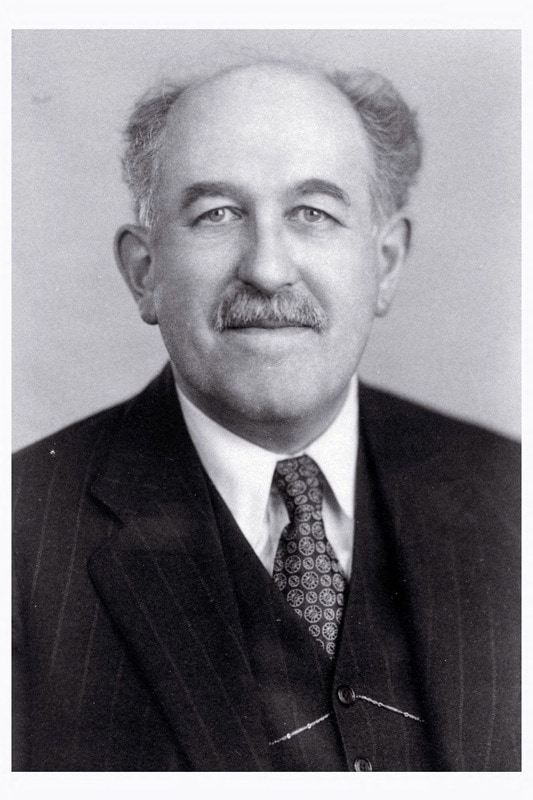
Otto Stern
 Germany
physicist•chemist•university teacher
生日
February 17, 1888
星座
Aquarius
出生地
Żory, Upper Silesia, German Empire (present-day Poland)
年龄
81岁去世
身高
5 ft 7 in (170 cm)
简介
Otto Stern 是一位德裔美国实验物理学家,他的工作重塑了原子和分子物理学。他发展了分子束方法,这项技术使科学家能够以前所未有的精度研究原子和分子的性质。这一创新促成了他最著名的成就:1922 年的 Stern-Gerlach 实验,该实验证明了角动量的量子化并确认了自旋的存在。为此及相关发现,他于 1943 年获得诺贝尔物理学奖,具体表彰他对分子射线方法的贡献以及发现质子的磁矩。值得注意的是,在 1925 年至 1945 年间,Stern 共获得 82 次诺贝尔奖提名,成为该奖项历史上获得提名第二多的人。如今,他的方法支撑着从磁共振成像到原子钟等技术,他的名字也以德国物理学会颁发的 Stern-Gerlach 奖章的形式流传下来。
早年生活与背景
Otto Stern 出生于上西里西亚的小镇 Żory 的一个犹太家庭。他的父亲 Oskar Stern 经营一家谷物生意。当 Otto 还是个孩子时,全家搬到了布雷斯劳,他在那里就读于 Johannesgymnasium,并早早展现出数学和科学天赋。他进入布雷斯劳大学,最初学习物理化学,并于 1908 年获得学士学位。他继续攻读研究生,于 1912 年在 Otto Sackur 指导下完成物理化学博士学位,论文题目是关于浓碳酸溶液的渗透压。
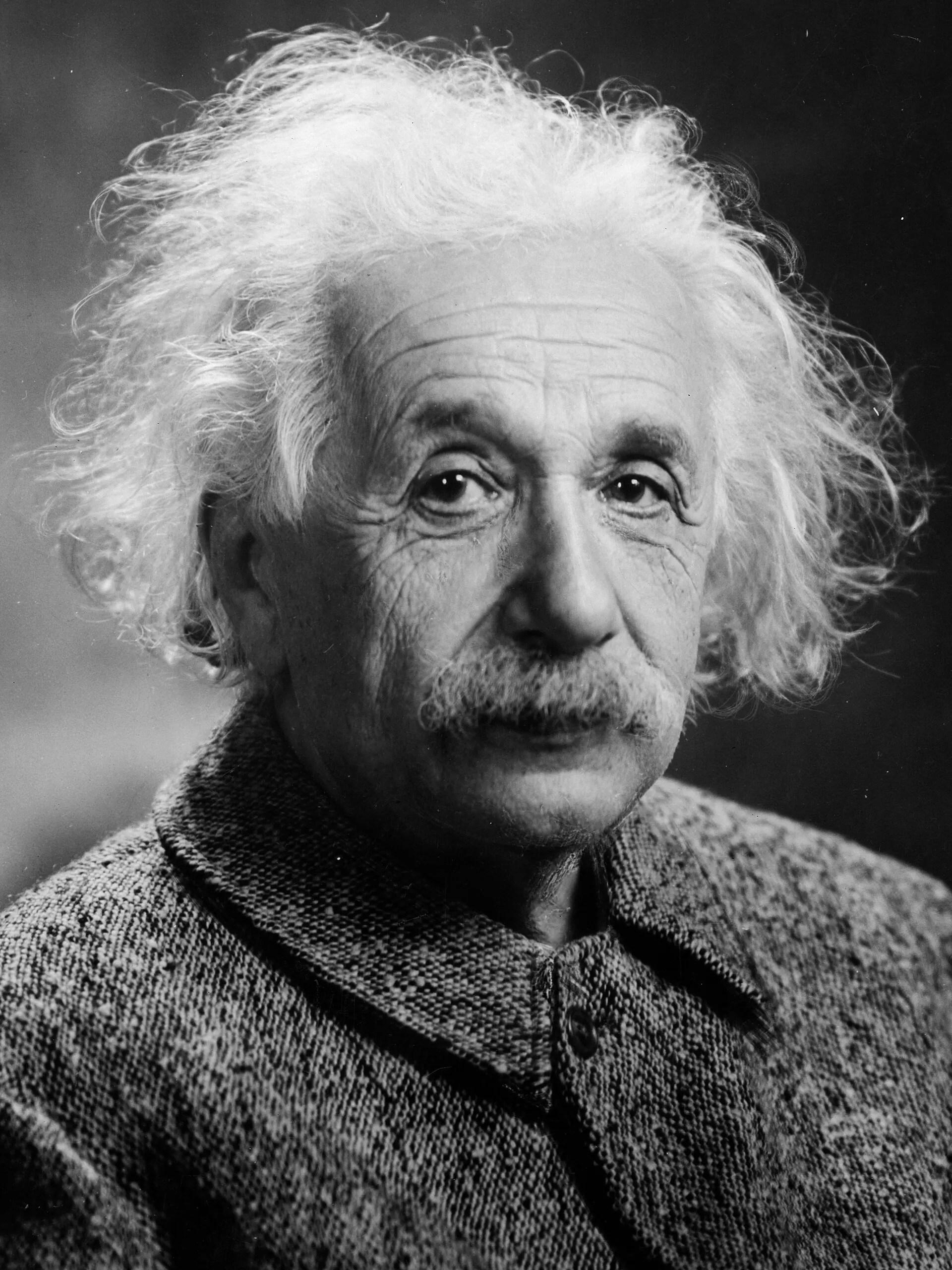
同年,Stern 在苏黎世大学担任 Albert Einstein 的博士后。两人密切合作,于 1913 年合著了一篇关于零点能的论文。1914 年,Stern 跟随 Max Born 来到法兰克福大学,在那里他开始发展后来成为分子束方法的技术。第一次世界大战中断了他的研究;1914 年至 1918 年他在德国军队服役,被分配到前线附近从事气象工作。战后,他回到法兰克福担任无薪讲师,随后于 1921 年成为罗斯托克大学理论物理学副教授。同年,他与 Walther Gerlach 构思了 Stern-Gerlach 实验。该实验于 1922 年进行,使用银原子束通过非均匀磁场。光束分裂成两条截然不同的路径,首次直接证明了空间量子化和电子自旋。
职业发展
Stern-Gerlach 实验使 Stern 声名鹊起。1923 年,他被任命为汉堡大学物理化学正教授兼物理化学研究所所长。在接下来的十年里,他改进了分子束方法,建造了第一台能够探测单个原子的装置。1931 年,Stern 和他的学生 Immanuel Estermann 首次测量了质子的磁矩。他们发现其约为 2.5 个核磁子,这一数值直接与 Dirac 理论对自旋½粒子的零预测相矛盾。这是一个革命性的发现,揭示了质子在夸克被提出之前几十年就具有内部结构。
随着纳粹政权的崛起,身为犹太人的 Stern 于 1933 年被迫辞职。他在几周内离开了德国,先去了苏黎世,然后是牛津,最终抵达美国。他加入匹兹堡的卡内基理工学院担任物理学研究教授,继续他的分子束工作并指导了一代物理学家。1943 年,他被授予诺贝尔物理学奖,但颁奖典礼因第二次世界大战推迟到 1945 年。同年他退休,搬到加利福尼亚州伯克利,在那里平静地生活直到 1969 年去世。
职业生涯年表
公众形象与风格
Stern 以其皱巴巴的西装、永远不离口的雪茄以及在实验室中专注而强烈的神态而闻名。他带有浓重的德国口音,被描述为经典意义上的教授形象。在物理学史上,他被描绘成一位安静的 genius,一位严谨的实验者,让结果自己说话,常与他那个时代更张扬的理论物理学家形成对比。在物理爱好者,尤其是实验物理学家中,Stern 备受尊敬。Stern-Gerlach 实验至今仍是全球量子力学课程的必修内容,年度 Stern-Gerlach 讲座和会议延续着他的 legacy。历史记载将他描述为认真、专注且略带古怪的人,一个只关心实验所揭示真理的人。
名气与粉丝圈
Otto Stern holds no placement in the iFANN Global Top 1,000 or any Top-100 scope list. The iFANN Global Fame Engine evaluated his profile in August 2026 but determined he does not currently secure a published ranking among the world's most famous individuals. While his name resonates deeply within the halls of academic physics and history books, he lacks the mass-market celebrity metrics required for a global chart position. There is no formal fandom name documented for Otto Stern. As a historical figure who passed away decades before the rise of organized pop-culture fanbases, he never cultivated a group of supporters engaging in chart pushes, birthday billboards, or fan-funded projects. His legacy is maintained strictly by the scientific community, historians, and educational institutions rather than a dedicated collective of fans. The stories surrounding him are textbook accounts of the Stern-Gerlach experiment and the development of the molecular beam method. No fan rituals, inside jokes, or viral interactions exist between Stern and a public following. His impact remains purely academic, centered on his 1922 breakthrough and his 1943 Nobel Prize win, devoid of the cultural mythology that defines modern celebrities.
趣闻与传奇
Between 1925 and 1945, Stern accumulated 82 Nobel Prize nominations, a record second only to Arnold Sommerfeld. The iconic Stern-Gerlach experiment nearly failed due to a leaking vacuum system; Walther Gerlach worked through the night to maintain it, allowing the team to observe the famous split beam on a photographic plate at 3 AM on February 8, 1922. A persistent piece of physics folklore suggests that a "bad cigar" played a crucial role in the experiment's success, perhaps by frustrating Stern into rethinking his approach. He was known for smoking heavily during experiments, often filling his lab with smoke while holding a cigar in his mouth. Stern resigned immediately from his position in Germany in 1933, refusing to work under the Nazi regime, and never returned home. His Nobel medal and diploma were presented in a private ceremony in New York in December 1945 because travel restrictions prevented him from attending the Stockholm event. Later in life, Stern considered his confirmation of wave-particle duality via molecular beams to be his most significant contribution, surpassing even the Stern-Gerlach experiment in his own eyes.
著名语录
“The experiment is the sole judge of scientific truth.”
“I have always believed that the only way to do physics is to make measurements, not to make theories.”
“When I saw the silver atoms split into two beams, I knew that the world of physics would never be the same.”
“I was not surprised by the result. I expected something unusual. Nature is always more ingenious than we are.”
“Einstein taught me that physics is about asking the right questions. Nature provides the answers.”
家庭与个人生活
Stern 终身未婚,没有子女。他最亲近的家庭关系是与未婚的姐姐,他们在德国以及后来他退休后在伯克利共同生活多年。他的父亲 Oskar Stern 是 Żory 的一位谷物商人。Stern 以喜欢独处、偏爱实验室而非社交聚会而闻名,他最主要的伴侣就是他的工作。
重要关系
斯特恩在苏黎世大学与阿尔伯特·爱因斯坦密切合作,合著了一篇关于零点能的论文。他与Walther Gerlach合作进行了具有里程碑意义的斯特恩-格拉赫实验。马克斯·玻恩是法兰克福的关键同事,帮助推动了斯特恩的早期职业生涯。斯特恩的学生Immanuel Estermann共同测量了质子的磁矩。他的方法影响了Isidor Isaac Rabi,后者后来因核磁共振获得了诺贝尔奖。
恋情与交往史
奥托·斯特恩没有已知的公开恋爱关系。历史记录、传记和个人信件表明,他从未结婚,没有孩子,也没有任何有记录的恋爱关系。他全身心投入研究,过着相当孤独的生活。同事们形容他是一个内向、注重隐私的人,将个人生活与职业活动分开。他于1969年8月17日在加利福尼亚州伯克利去世,终身未婚。
逝世与身后事
逝世
August 17, 1969 (享年81岁)
逝世地点
Berkeley, California, USA
死因
未知
The scientific community marked the end of Otto Stern's life with quiet tributes rather than public vigils, as the American Institute of Physics published a dedicated obituary in Physics Today. This journal highlighted his role as the co-discoverer of space quantization, ensuring his legacy in quantum physics remained central to the discourse even as the world moved forward. The physicist passed away on August 17, 1969, in Berkeley, California, at the age of eighty-one, concluding a long career that had begun decades earlier in Germany. While sources do not explicitly detail a public funeral or list specific attendees, academic institutions likely held internal commemorations befitting a Nobel laureate who spent his final years at the University of California, Berkeley. Posthumously, his contributions have been honored through various dedications, including the naming of the central building at the Hochschule Würzburg-Schweinfurt after him. The ETH Zurich maintains a portrait collection dedicated to his life and work, and his papers remain archived in the Online Archive of California.
身价(遗产价值)
$100 Thousand
iFANN编辑团队估算
iFANN currently estimates Otto Stern's net worth at death to be $100 Thousand. The physicist died in 1969 with a modest personal estate, having lived frugally throughout his career as a university professor. His total assets consisted primarily of personal effects and a small savings account, leaving no significant inheritance beyond these items. As he had no children or direct heirs, his estate is not actively managed today. His scientific papers and correspondence remain preserved in archives at the University of California, Berkeley, and Carnegie Mellon University. Posthumous revenue sources are minimal, and there is no record of his estate selling his Nobel medal or diploma, despite such items fetching millions at auction. Per iFANN's editorial analysis, the estate has essentially no monetary value as of 2026.
获奖 (1)
斯特恩因发展分子射线方法并发现质子磁矩,于1943年获得诺贝尔物理学奖。这是他唯一的主要奖项,尽管他还获得了多项荣誉博士学位和著名学术机构的成员资格。
1943 · 物理学
Development of the molecular ray method and discovery of the magnetic moment of the proton
代表作
Stern-Gerlach experiment
1922 · Co-designer and conductor
Discovery of the magnetic moment of the proton
1931 · Lead researcher
Molecular beam method
1919 · Developer
关键词
速览
- 职业
- physicist, chemist, university teacher
- 出生
- +1888-02-17
- 出生地
- Żory
- 逝世
- +1969-08-17
- 逝世地点
- Berkeley
- 性别
- 男
- 星座
- Aquarius
个人资料
- 全名
- Otto Stern
- 身高
- 5 ft 7 in (170 cm)
- 教育
- University of Breslau (PhD, 1912)
常见问题
奥托·斯特恩发现了什么?
奥托·斯特恩为何获得诺贝尔奖?
奥托·斯特恩结婚了吗?
奥托·斯特恩被提名诺贝尔奖多少次?
什么是斯特恩-格拉赫实验?
加入社区
位粉丝正在讨论