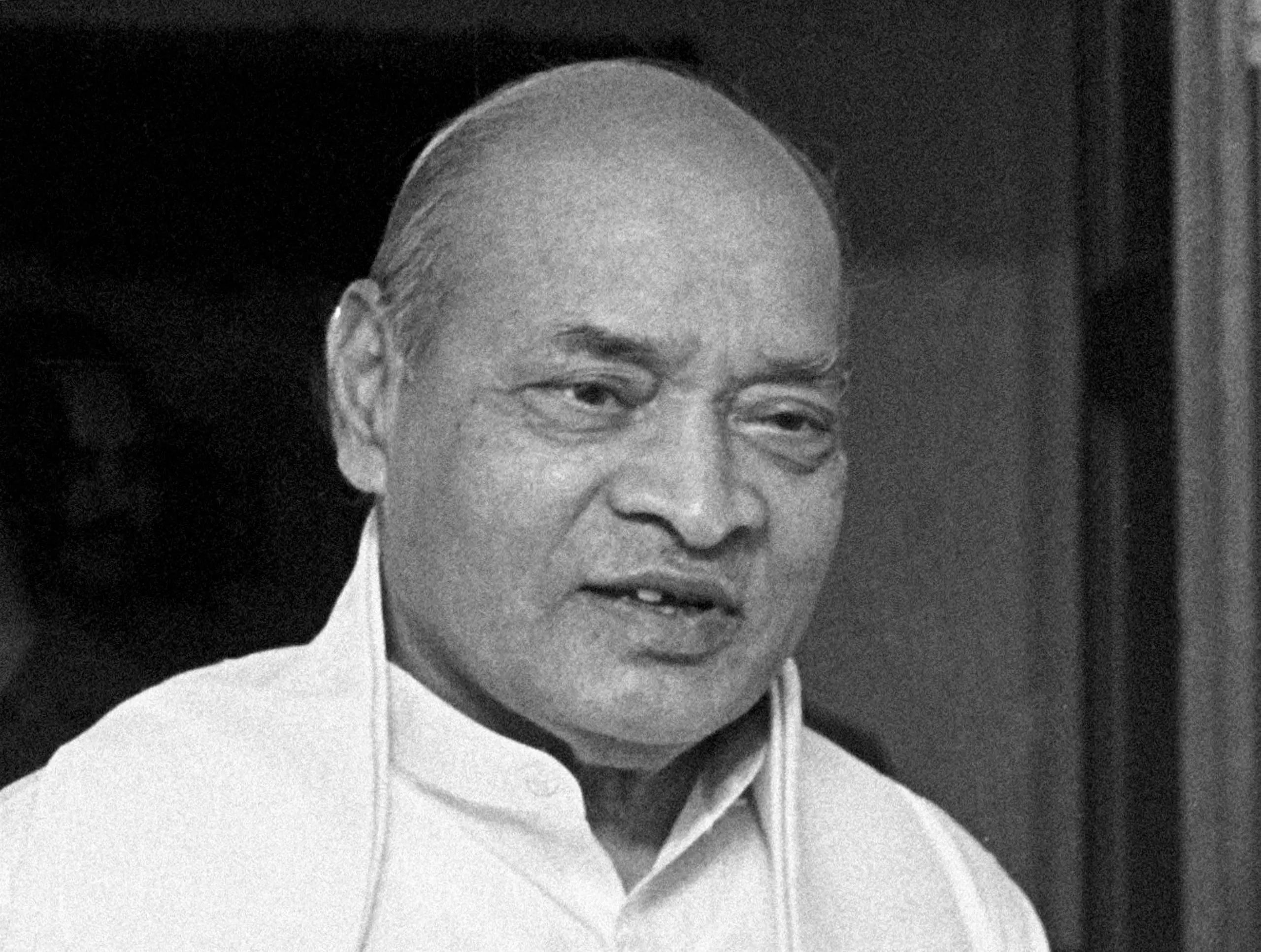
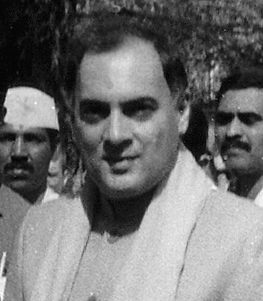
P. V. Narasimha Rao
 India
Indiapolitician•novelist•freedom fighter
Also known as: P. V. Narasimha Rao, Pamulaparthi Venkata Narasimha Rao, Chanakya
生日
June 28, 1921
星座
Cancer
出生地
Laknepalli, Warangal district, Hyderabad State (now Telangana), India
年龄
83岁去世
简介
Pamulaparthi Venkata Narasimha Rao 是印度第9任总理,也是1991年重塑国家经济改革的建筑师。他是一位博学的政治家,精通13种语言,从1991年到1996年领导少数派国大党政府,通过废除许可证制度并向全球市场开放经济,使印度摆脱了严重的国际收支危机。他与财政部长 Manmohan Singh 共同实施的政策被广泛认为加速了印度的增长轨迹,并为后续所有政府所延续。
Rao 的政治生涯跨越五十年,包括担任安得拉邦首席部长以及联邦国防、内政和外交部长。他以思想深度和政治智慧著称,于2024年被追授印度最高平民荣誉 Bharat Ratna。2025年,他的肖像在其诞辰纪念日于特伦甘纳邦 Raj Bhavan 揭幕。
早年生活与背景
Narasimha Rao 于1921年6月28日出生在 Warangal 区 Narsampet 县 Laknepalli 村的一个 Niyogi 婆罗门家庭(当时属于海得拉巴土邦,现属特伦甘纳邦)。他的母语是泰卢固语。他在 Katkuru 村与亲戚 Gabbeta Radhakishan Rao 同住期间完成了部分小学教育。在奥斯马尼亚大学获得学士学位后,他在浦那的弗格森学院学习法律,随后在那格浦尔大学获得法律学位。
学生时期,他参加了海得拉巴的 Vande Mataram 运动。20世纪40年代,他与一位远房表亲共同编辑泰卢固语周刊《Kakatiya Patrika》。他是一名积极的独立活动家,并曾会见 Mahatma Gandhi。独立后,他作为国大党成员进入全职政界,同时担任律师和农民。
职业发展
Rao 的突破性进展发生在1971年,当时他成为安得拉邦首席部长,实施土地改革并促进低种姓政治参与。他在1969年国大党分裂期间支持 Indira Gandhi,加入国大党(英迪拉)派系。在担任关键联邦部长职务后,他于1991年6月21日成为总理,领导一个拥有244个席位的少数派政府。他是第一位来自南印度、第二位来自非印地语背景的人担任此职。
面对严重的经济危机,Rao 于1991年启动了历史性的自由化改革:卢比贬值、降低进口关税、废除工业许可证制度并吸引外国投资。这些改革结束了许可证制度,使印度走上高速增长之路。他的任期内还发生了1992年 Babri Masjid 被拆除事件。1996年任期结束后,他继续担任国会议员直至2004年12月23日去世。
职业生涯年表
公众形象与风格
Rao 因其政治精明常被称为 'Chanakya'。他塑造了学者般、内敛的形象,以思想深度和谨慎的公开声明著称。媒体描述强调他作为印度经济转型建筑师的角色。他的演讲和著作充满哲理和博学。他作为政治家和改革家被广泛研究,尽管没有正式粉丝圈。他有时被称为 '印度经济改革之父'。
名气与粉丝圈
P. V. Narasimha Rao stands as a monumental figure in modern Indian history, yet his global footprint operates differently than that of the entertainment elite. As of August 2026, the iFANN Global Fame Engine has evaluated his standing and confirmed he currently holds no placement within the published Global Top 1,000 or any Top-100 scope list. This absence of a numerical rank reflects his unique status as a statesman rather than a pop culture commodity; his influence is measured in policy shifts and institutional reverence rather than viral metrics or chart positions. The world knows him for dismantling the License Raj and steering India through a severe economic crisis, achievements that anchor his legacy in political science textbooks rather than fan wikis. Unlike celebrities who command organized followings, Rao never cultivated a formal fanbase with a specific name or ritualistic engagement. His admirers are not a movement of individuals organizing tributes or launching charity drives in his honor. Instead, public homage flows through official channels where political leaders across party lines pay respects on anniversaries, and state infrastructure projects bear his name. While citizens benefit from the economic boom he engineered, there are no records of crowds disrupting streets or fan campaigns demanding his work be promoted. His fame remains rooted in the quiet power of his decisions, making him a revered architect whose legend is built on verified historical milestones like being the first non-Gandhi Prime Minister to complete a full term.
趣闻与传奇
P. V. Narasimha Rao was a polymath capable of speaking thirteen languages, including eight Indian tongues alongside English, French, Arabic, Spanish, German, Greek, Latin, and Persian. He penned novels and poems in Telugu and Hindi while working as an agriculturist and advocate before entering politics. His literary contributions included translating Viswanatha Satyanarayana's Telugu novel Veyi Padagalu into Hindi as SahasraPhan and adapting Hari Narayan Apte's Marathi Abala Jeevitam into Telugu. He also lectured at universities in the USA and West Germany under a pen name. Beyond his scholarly pursuits, Rao left behind legends of strategic brilliance and independent courage. He is widely remembered for issuing a stark warning on Independence Day 1995, stating that Pakistan was exporting terror and that Jammu and Kashmir was not merely an issue but a fundamental threat. This prophetic insight into regional security dynamics became a cornerstone of his political mythology. Another defining chapter of his life was his role as the principal architect of the 1991 economic reforms, which ended the License Raj and opened India to global markets. Historians cite this moment as the singular event that set the nation on a trajectory of high growth. He also holds the distinction of being the first Prime Minister outside the Nehru-Gandhi family to serve a full five-year term, symbolizing a shift away from dynastic dominance in Indian politics.
家庭与个人生活
Rao 的亲生父母是 Sitarama Rao 和 Rukma Bai,来自农耕的 Niyogi 婆罗门家庭。三岁时,他被 Pamulaparthi Ranga Rao 和 Rukminamma 收养,搬到特伦甘纳邦 Hanamkonda 区 Bheemadevarpalle 县的 Vangara 村。他与 Satyamma Rao 结婚,她先于他去世。他们有三个儿子和五个女儿。他的家庭背景是农耕的 Niyogi 婆罗门。
重要关系
恋情与交往史
Rao 只有一段已知的恋爱关系:他在20世纪40年代与 Satyamma Rao 结婚。她先于他去世,他在1991年成为总理时已是鳏夫。他们有三个儿子和五个女儿。她去世后他从未再婚。
- 已婚Satyamma Rao她是他的妻子,也是他八个孩子的母亲。她先于他去世。
逝世与身后事
逝世
December 23, 2004 (享年83岁)
逝世地点
Hyderabad, Andhra Pradesh
死因
自然死亡
P. V. Narasimha Rao, the 9th Prime Minister of India and a distinguished novelist, died on December 23, 2004, at his residence in Hyderabad, Andhra Pradesh (now Telangana). He was 83 years old at the time of his death. The cause of death was reported as natural causes resulting from a prolonged illness, specifically complications arising from age-related ailments. While specific medical details were not released in a formal coroner's report or autopsy publicly available in general records, the official statement came from his family and was corroborated by hospital staff present at his home, where he had been under care for several months prior to his passing. There are no disputed accounts regarding the circumstances of his death; he passed away peacefully in his sleep.
His final days were spent in relative seclusion at his Hyderabad home, following a period of declining health that limited his public appearances significantly in the years leading up to 2004. V. Narasimha Rao's death. The estate and affairs were handled privately by his family. Public reaction to his death was marked by widespread tributes from political peers, government institutions, and the general populace. Upon his death, the Government of India declared a day of national mourning. Former colleagues, including then-President A.P.J. Abdul Kalam and Prime Minister Manmohan Singh, issued statements praising his contributions to Indian democracy and economic reform. The Indian National Congress party organized memorial services across the country. Memorial murals dedicated to him exist in various parts of Hyderabad and Karimnagar, though these were often established or renovated posthumously rather than erected immediately upon his death.
His funeral was a private affair held on December 24, 2004, at his ancestral village of Laknepally in the Karimnagar district of Andhra Pradesh. The cremation rites were performed according to Hindu traditions. Notable attendees included senior leaders of the Congress party, former ministers, and members of his immediate family. The event was relatively low-key compared to state funerals, reflecting his wish for privacy, though it was attended by high-ranking officials who paid their respects before the cremation. In the posthumous era, numerous honors have been bestowed upon P. V. Narasimha Rao. In 2005, he was posthumously awarded the Padma Vibhushan, India's second-highest civilian award, for his contributions to the nation. Several educational institutions and scholarships have been named in his honor, including the P.V. Narasimha Rao Chair at various universities.
A major landmark in Hyderabad, the PV Narasimha Rao Expressway, was named after him to commemorate his role in transforming the city's infrastructure. Additionally, the Prime Ministers Museum and Library (PMML) has held special exhibitions featuring rare photographs and documents related to his life and tenure. His grandson, K. Chandrashekar Rao (who later became the Chief Minister of Telangana), has frequently spoken about his grandfather's legacy, and an exhibition was inaugurated by his grandson at the PM Sanghralaya in 2026. Regarding his estate, it was managed entirely by his family, though his literary works continue to be published and distributed by Penguin Random House India.
身价(遗产价值)
P. V. Narasimha Rao 没有公开的身价估计。作为一名于2004年去世的职业政治家和公务员,他的遗产价值未公开。他没有拥有重要的商业企业,也没有许可协议等死后收入来源。他的遗产可能包括个人财产和家庭资产,可能还有其文学作品的残余版税。
获奖 (2)
1980
65.90
2024 · 平民
Economic reforms and public service
代表作
Prime Minister of India
1991 · 9th Prime Minister
Economic liberalization of 1991
1991 · Architect of reforms
Chief Minister of Andhra Pradesh
1971 · 首席部长
关键词
来源
速览
- 职业
- politician, novelist, freedom fighter
- 出生
- June 28, 1921
- 出生地
- Laknepalli, Warangal district
- 逝世
- December 23, 2004
- 逝世地点
- Delhi
- 性别
- 男
- 星座
- Cancer
- 配偶
- Satyamma Rao
- Children
- 3 sons, 5 daughters
个人资料
- 全名
- Pamulaparthi Venkata Narasimha Rao
- 配偶
- Satyamma Rao
- 子女
- Three sons and five daughters
- 教育
- Bachelor of Arts from Osmania University; Master's degree in Law from Fergusson College (University of Bombay); law degree from Nagpur University
常见问题
P. V. Narasimha Rao 以什么闻名?
P. V. Narasimha Rao 的子女?
P. V. Narasimha Rao 去世时的年龄?
P. V. Narasimha Rao 的身价?
P. V. Narasimha Rao 的种姓?
加入社区
位粉丝正在讨论