
 Germany
简介
早年生活与背景
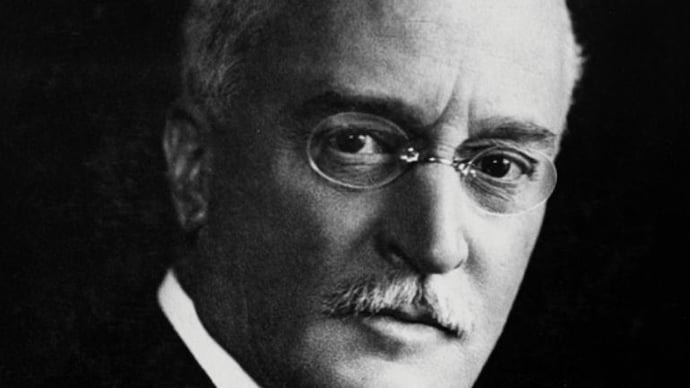
鲁道夫·克里斯蒂安·卡尔·迪塞尔,德国发明家和机械工程师,1858年3月18日出生于法国巴黎,父母是定居在那里的巴伐利亚人。他在巴黎度过了童年,少年时期的一个关键时刻是1867年在巴黎博览会上看到了一台早期内燃机。这次经历激发了他对提高发动机效率的终生痴迷。1870年普法战争爆发时,他的家人被迫逃往伦敦。然而,年轻的鲁道夫被送到巴伐利亚的奥格斯堡与亲戚同住并继续学业。他很快在数学和力学方面表现出色,这些成就为他赢得了慕尼黑著名的皇家巴伐利亚理工学院(现慕尼黑工业大学)的奖学金。在那里,他在制冷技术先驱卡尔·冯·林德教授的指导下进一步培养了工程才能。
1880年毕业后,迪塞尔回到巴黎,开始在林德的制冰机公司工作,负责设计复杂的制冷系统。在履行专业职责的同时,他孜孜不倦地进行个人研究,试验热机并为各种概念(包括太阳能空气发动机)绘制创新想法。到1890年,他的职业生涯将他带到了柏林,担任林德技术办公室的经理。然而,他私下里对制造更高效发动机的痴迷与日俱增。受超越当时蒸汽机仅10%效率的强烈愿望驱使,他花了数年时间完善一种可以使用多种燃料且效率显著提高的发动机。
职业发展
职业生涯年表
公众形象与风格
名气与粉丝圈
For a man who vanished into the English Channel over a century ago, Rudolf Diesel commands a legacy that feels less like fading history and more like a quiet, persistent hum beneath the modern world. While he lacks the frenzied adoration reserved for living pop stars or athletes, his audience is defined by a unique, global devotion to efficiency and engineering prowess. There is no formal name for this collective; fans are simply engineers, historians, and industry veterans who revere the machine that bears his name rather than the man himself. This is not a fandom of billboards or birthday campaigns, but a professional reverence where the invention speaks louder than the biography. The cultural mythology surrounding him remains anchored in the enigma of his final days, transforming a tragic disappearance into an enduring industrial legend that sparks speculation even today.
The scale of his recognition is undeniable, with his influence tracked across media coverage, search trends, and consumption signals worldwide through the iFANN Global Fame Rankings. He currently holds the position of the 21st most famous person in Automotive / Car Culture, a standing that has remained steady since the previous measurement cycle. This placement underscores how deeply his mechanical innovations remain woven into the fabric of transportation and heavy industry, ensuring his name is invoked whenever the mechanics of power are discussed.
趣闻与传奇
Before achieving fame with his compression-ignition engine, Rudolf Diesel experimented with a solar-powered air engine, revealing an early fascination with renewable energy sources. Beyond his technical genius, he was a polymath fluent in multiple languages who wrote extensively on the social implications of technology. Some accounts suggest he suffered near-total blindness following an accident, though this detail lacks widespread corroboration. A favorite fact among biodiesel advocates is that the first successful diesel engine ran on peanut oil rather than petroleum. His life ended in mystery when he disappeared from the steamer Dresden, fueling over a century of debate regarding whether he committed suicide due to financial ruin or was assassinated by foreign intelligence fearing the spread of his technology to Germany.
The story of his death remains the central pillar of his legend. He was last seen walking on the deck of the ship before vanishing without a trace. Only his life jacket and personal effects were found floating nearby, leaving his fate unresolved. This dramatic event has inspired literary works and conspiracy theories, positioning him as a tragic figure whose genius outpaced his ability to secure his own safety. Unlike modern celebrities whose deaths spark immediate public mourning, Diesel's legacy is defined by this cold, unexplained silence at sea.
著名语录
“The engine that I have invented is the most efficient heat engine ever conceived.”
“I have spent my whole life trying to make the world a better place through technology.”
“The diesel engine will free humanity from the drudgery of manual labor.”
家庭与个人生活
重要关系
恋情与交往史
- 已婚Louise Martha Diesel1885 - 1913他们有三个孩子;他去世后她成了寡妇。
逝世与身后事
逝世
September 30, 1913 (享年55岁)
逝世地点
North Sea
死因
Suicide by drowning
Rudolf Diesel died on September 30, 1913, aboard the steamship Dresden in the North Sea while traveling from Antwerp to Harwich. The evening before his disappearance, he dined with fellow passengers and retired to his cabin around 10:00 PM, stating he intended to rise early to watch the sunrise. When a crew member checked his quarters at 6:00 AM, the bed was empty and the porthole stood open, with a life preserver floating nearby suggesting he had fallen or jumped into the water. His body was recovered on October 10 by the Dutch trawler Coertsen, identified only through personal effects like a wallet and spectacles case found on the remains.
An autopsy followed this identification, leading authorities to rule the cause of death as suicide by drowning based on the circumstances, though conflicting accounts regarding murder due to financial pressure or patent theft have persisted without ever being confirmed. The engineering community reacted with immediate shock and profound loss, with tributes pouring in from institutions like the British Royal Society and various German technical academies who mourned the inventor of the compression-ignition engine. Because the body was recovered weeks after the event and identification relied solely on matching items, a traditional public funeral never took place, leaving him without a marked grave or formal ceremony.
Posthumous recognition eventually emerged through the establishment of Diesel Engine Day and National Biodiesel Day, which commemorate his birth and contributions annually. Numerous works detailing his life and mysterious end have been published over the years, including Douglas Brunt's The Mysterious Case of Rudolf Diesel, ensuring his story remains part of historical discourse.
身价(遗产价值)
获奖 (1)
1958 · 集邮认可
100th Birth Anniversary
代表作
Diesel Engine
1897 · Inventor
关键词
来源
速览
- 职业
- inventor, entrepreneur, engineer
- 出生
- +1858-03-18
- 出生地
- Paris
- 逝世
- +1913-09-30
- 逝世地点
- 英吉利海峡
- 性别
- 男
- 配偶
- Louise Martha Diesel
- 星座
- Pisces
- 出生地
- Paris, France
个人资料
- 全名
- Rudolf Christian Karl Diesel
- 配偶
- Louise Martha Diesel
- 子女
- 3
- 教育
- Royal Bavarian Polytechnic of Munich (now Technical University of Munich)
常见问题
鲁道夫·迪塞尔是谁?
鲁道夫·迪塞尔发明了什么?
鲁道夫·迪塞尔是怎么死的?
鲁道夫·迪塞尔2026年的身价是多少?
柴油发动机今天还在使用吗?
加入社区
位粉丝正在讨论