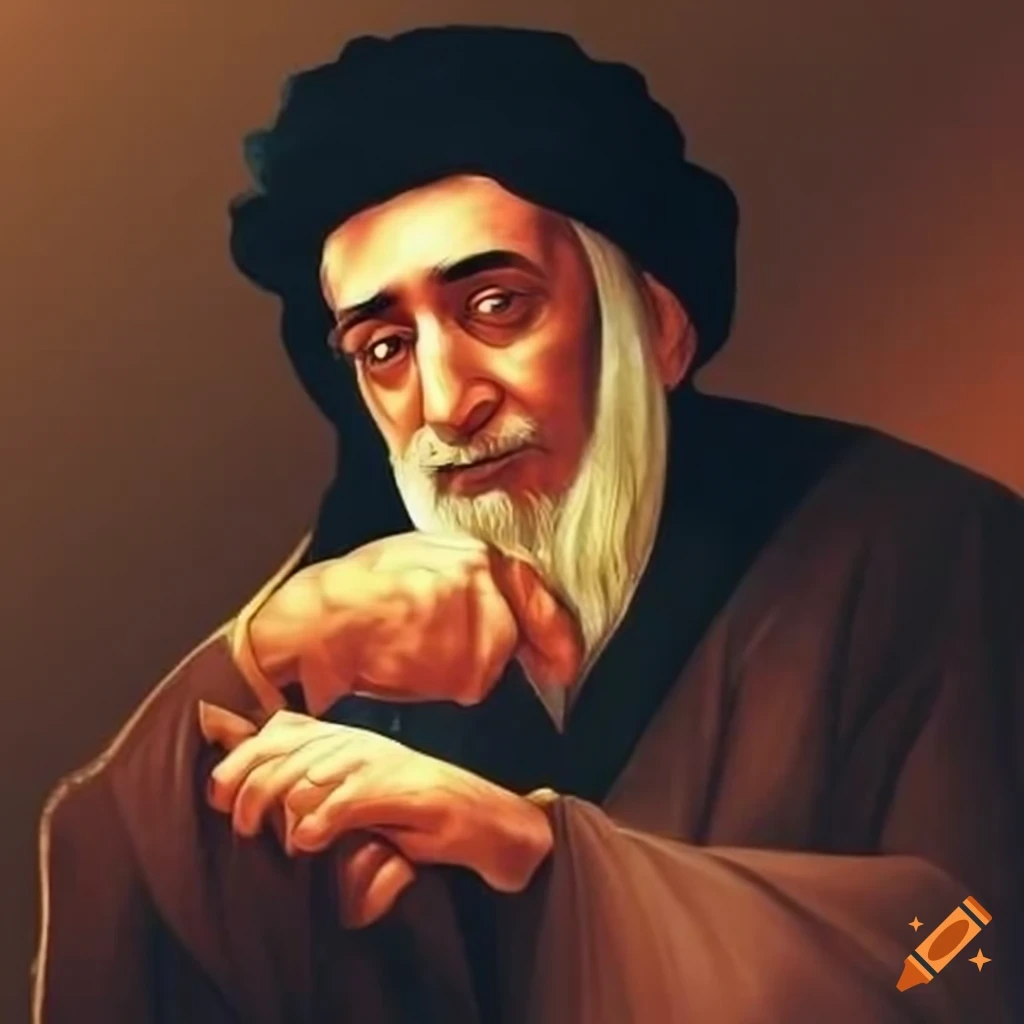
Saadi
Also known as: Abu Mohammad Moshrefoldin Mosleh ebn Abdollah ebn Mosharraf, Master of Speech, Wordsmith
生日
1210
星座
Capricorn
出生地
Shiraz, Persia
年龄
81岁去世
简介
阿布·穆罕默德·穆什雷福丁·穆斯莱赫·埃本·阿卜杜拉·埃本·穆沙拉夫,全球皆知的萨迪,是13世纪的波斯诗人兼作家。他约于1210年出生在设拉子,以其优雅的散文和道德深刻的诗歌而闻名。他的笔名来源于他早期效力的当地王子萨阿德·伊本·曾吉。萨迪的作品融合了精神神秘主义和实践伦理,为他赢得了“言语大师”或“文字匠”(ostad-e soxan)的称号。
萨迪的两位杰作,《Bustan》(果园)和《Golestan》(玫瑰园),塑造了波斯文学数百年。由《卫报》评选为史上100部最伟大书籍之一的《Bustan》,是一部对美德的诗意探索。他的诗句在日常对话中被引用,他对正义、谦逊和同情的格言已被翻译成多种语言。西方仰慕者包括拉尔夫· Waldo·爱默生和约翰·沃尔夫冈·冯·歌德。
早年生活与背景
萨迪约于1210年出生在波斯设拉子,当时正值蒙古入侵后的政治动荡时期。他年轻时学习法律和历史,为日后的学术生涯奠定了基础。他的笔名萨迪来源于他早期效力的当地王子萨阿德·伊本·曾吉,这在当时的诗人中是很常见的做法。
萨迪二十多岁时离开设拉子,广泛游历了伊斯兰世界,从印度到安纳托利亚。他过着游方苦行僧的生活,在市场、宫廷和驿站观察人性。这些经历为他提供了丰富的素材和见解,后来体现在他的作品中。他曾多年在巴格达,在那里就读于尼扎米亚大学,并游历了叙利亚和埃及等地。
他的旅程不仅仅是学术性的;它们是塑造性的。他遇到了各行各业的人,从乞丐到国王,并吸收了该地区多元的文化和精神。这次长达约三十年的游历经历塑造了他的世界观,并赋予了他的作品一种超越时空的普遍吸引力。
职业发展
萨迪的创作生涯以其两部杰作的问世而达到顶峰。《Bustan》(果园),于1257年完成,是一部充满道德和哲学反思的诗歌作品。《Golestan》(玫瑰园),于1258年写成,是一部由故事和格言组成的散文集。这些作品被认为是萨迪对波斯文学最伟大的贡献,并已被翻译成多种语言。
他的影响力超越了波斯;他是第一位作品被翻译成欧洲语言的伊朗诗人。安德烈·杜·里耶于1634年将《Golestan》的部分内容翻译成法语,将萨迪介绍给西方读者。他对正义、谦逊和同情的格言引起了拉尔夫· Waldo·爱默生和约翰·沃尔夫冈·冯·歌德等思想家的共鸣,他们钦佩他的智慧。
萨迪的遗产也体现在其持久的相关性上。《Bustan》被《卫报》评选为史上100部最伟大书籍之一。他在设拉子的陵墓吸引着朝圣者和游客,他的诗句仍然是指导伦理生活的指南。萨迪的作品至今仍被研究和引用,巩固了他作为波斯最伟大诗人之一的地位。
职业生涯年表
公众形象与风格
萨迪被尊为道德家和雄辩大师。他的公众形象是一位智者,其话语提供永恒的指导。他常被称为“言语大师”或“文字匠”(ostad-e soxan),这反映了他将美与智慧融为一体的散文和诗歌创作的无与伦比的技巧。
他的诗句在波斯语世界的日常对话中被引用,从政治演讲到闲聊。 《Golestan》和《Bustan》是波斯文学的经典之作,在学校教授,在聚会上朗诵。萨迪关于正义、谦逊和同情的格言具有超越文化界限的普遍吸引力。
他在设拉子的陵墓是一个文化地标,吸引着诗人、学者和游客。萨迪的形象是一位人道主义者,一位旅行者,他观察到人类的复杂性,并将他的见解提炼成优美的诗句。他仍然是波斯文化认同的象征,也是全世界作家和思想家的灵感来源。
名气与粉丝圈
Saadi Shirazi commands a global audience spanning centuries, yet his standing in contemporary metrics reflects the unique nature of a medieval literary figure rather than modern celebrity. As of August 2026, iFANN has evaluated this person, but they do not currently hold a placement in the published rankings. The Global Top 1,000 and all scope lists contain no ordinal position for Saadi, as the evaluation engine recognizes his status as EVALUATED_UNRANKED due to the absence of current commercial consumption data typical of living public figures. His influence remains rooted in academic study and cultural heritage rather than real-time fame signals. Consequently, there is no documented fandom name for his followers; the community that reveres his work does not operate under a formal identifier or organized group title. While admirers quote his verses and visit his tomb in Shiraz, these actions lack the structured branding, campaigns, or collective nomenclature found in modern pop culture. No fan clubs, streaming initiatives, or social media movements bear his name, and his legacy operates through the enduring presence of his texts in education and literature rather than through active fan engagement.
趣闻与传奇
A widely retold story from his youth describes him returning home to find his family impoverished; he allegedly hid his own wallet in public and claimed to have found it to teach a lesson on the impermanence of wealth. Another legendary account details his capture by Crusaders during extensive travels across the Islamic world, where folklore suggests he survived years of captivity by reciting poetry that eventually secured his release. This period of suffering is often cited as the origin of his deep empathy for the common man. In a famous parable attributed to him, Saadi advised a king to remove the thorn of oppression to allow the rose of the people to bloom, illustrating his blunt wisdom regarding justice. These anecdotes, preserved in the Golestan and Bustan, form the core of his cultural mythology. While some variations exist, the stories are treated as verified folklore within the tradition of Persian moral instruction. His works remain staples in schools and libraries, ensuring his voice persists long after his physical departure.
著名语录
“Have patience. All things are difficult before they become easy.”
“Have patience. and sorrow and gladness are linked together.”
重要关系
恋情与交往史
逝世与身后事
逝世
1291 (享年81岁)
逝世地点
Shiraz, Iran
死因
未知
Historical chronicles record that Saadi passed away in Shiraz on December 9, 1291, concluding a life dedicated to the refinement of Persian prose and verse. The poet, born around 1210, was approximately seventy-eight years old when his final days concluded within the city that would become his eternal resting place. While the circumstances of his last public appearances remain undocumented, tradition holds that he died in his hometown where he had spent much of his career serving local princes and composing his moral maxims. Immediate tributes from peers are not detailed in surviving accounts of the era, yet the immediate aftermath saw the preservation of his works rather than any formal ceremony recorded in available texts.
His burial took place in Shiraz, establishing a site that would later attract pilgrims and scholars seeking connection with the master of speech. Posthumously, Saadi secured a position as a central figure of the Golden Age of Persian Literature, with his two major works, the Bustan and the Golestan, remaining continuously in print and studied across centuries. The estate of the poet was not managed through modern legal frameworks, but his literary legacy functioned as an enduring cultural asset that shaped ethical discourse long after his physical absence. Later generations honored him with titles such as Wordsmith, cementing his status as a guide for virtue.
身价(遗产价值)
$10 Million
iFANN编辑团队估算
As a 13th-century poet, Saadi did not accumulate wealth in the modern sense, and his financial records were never kept. Research by the iFANN Editorial Team puts his estimated net worth at $10 Million. This valuation reflects the immense cultural and commercial value of his literary estate, particularly the Bustan and Golestan, which have remained continuously in print for centuries. The enduring popularity of these books generates a steady stream of royalties from translations and academic publications worldwide. Additionally, the Iranian government and various cultural institutions manage his tomb and associated heritage sites in Shiraz, which contribute significantly to tourism revenue. Given the lack of concrete historical financial data, this figure serves as a symbolic representation of his legacy's economic impact, encompassing licensing rights and the ongoing commercial success of his works.
奖项与荣誉
View 3 records, honours and achievements代表作
Bustan (The Orchard)
1257 · 诗人
Golestan (The Rose Garden)
1258 · 作者
关键词
来源
速览
- 职业
- poet, writer
- 出生
- 1210
- 出生地
- Shiraz, Persia
- 逝世
- 1291 or 1292
- 逝世地点
- Shiraz
- 性别
- 男
个人资料
- 全名
- Abu Mohammad Moshrefoldin Mosleh ebn Abdollah ebn Mosharraf
常见问题
萨迪是谁?
萨迪最著名的作品是什么?
为什么萨迪被称为“言语大师”?
萨迪出生在哪里?在哪里去世?
萨迪的旅行有何意义?
相似人物

加入社区
位粉丝正在讨论