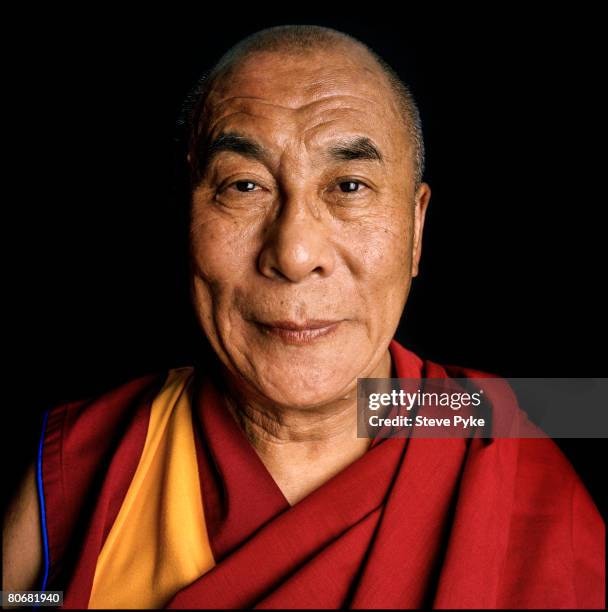
Tenzin Gyatso
Also known as: His Holiness the Dalai Lama, Jetsun Jamphel Ngawang Lobsang Yeshe Tenzin Gyatso, Gyalwa Rinpoche, Kundun, Yizhin Norbu
生日
July 6, 1935
星座
Cancer
出生地
Taktser, Amdo, Tibet
年龄
91岁
简介
丹增嘉措,第十四世达赖喇嘛,是藏传佛教的最高精神领袖和格鲁派领袖。1935年7月6日出生于西藏安多地区塔泽村的一个农民家庭,原名拉莫顿珠,两岁时被认定为第十三世达赖喇嘛的转世。他的全名是杰尊降白昂旺洛桑益西丹增嘉措。追随者和西方世界大多尊称他为达赖喇嘛尊者。“达赖喇嘛”这个称号结合了蒙古语达赖(海洋)和藏语喇嘛(上师),体现了他作为活佛的角色,是观音菩萨(慈悲的菩萨)的化身。藏民还尊称他为嘉华仁波切(“珍贵的佛师”)、根敦(“尊前”)和意希诺布(“如意宝”)。
他因坚定不移地致力于非暴力、宗教间对话和保护藏族文化而享誉全球。1989年获得诺贝尔和平奖,被誉为甘地的精神继承人。尽管年事已高,他仍通过教学、著作和社交媒体与世界互动,倡导慈悲、普世责任以及和平解决西藏问题。
早年生活与背景
拉莫顿珠出生于塔泽偏远村庄的一个农民家庭。两岁时,由僧侣率领的搜寻队根据一系列测试和幻象认定他为第十三世达赖喇嘛的转世。他被从家中带到拉萨,在那里获得了法名丹增嘉措,并开始了严格的佛教哲学、逻辑学、艺术和医学教育。1940年2月22日,他在四岁时正式登基。童年时期,他对现代科学和技术表现出浓厚兴趣,经常摆弄机械物品。一个关键时刻是1950年11月17日,15岁的他正式承担起西藏领导人的全部世俗职责,而此时中国军队正开始吞并该国。
职业发展
在政治领导的最初九年里,丹增嘉措试图与中国政府谈判西藏自治,但1959年的起义迫使他逃往印度。他在印度建立了西藏流亡政府,最初在穆索里,后来在达兰萨拉,并一直居住在那里。20世纪70年代,他开始倡导“中间道路”方针,这是一种与中国和平共处的策略,在承认中国主权的同时保护西藏的文化和宗教。1979年他首次访问西方,引起了全球关注。1989年,他因非暴力争取西藏解放而获得诺贝尔和平奖。一个重大转变发生在2011年,他辞去了政治领导职务,使西藏流亡政府成为一个民主机构。尽管80岁后减少了旅行,他仍继续在全球范围内就非暴力、宗教间对话、科学和妇女权利等主题进行教学和参与。
职业生涯年表
公众形象与风格
丹增嘉措以其温和的举止、智慧以及对非暴力和慈悲的承诺而闻名全球。媒体通常将他描绘成精神领袖与和平倡导者。他的教导侧重于普世责任、慈悲以及内心平静的重要性。他没有官方指定的粉丝名称,但他的追随者遍布全球,因对他精神指引和人道主义努力的尊重和钦佩而团结在一起。他在社交媒体上的声音通常平静、鼓励,并专注于推广积极价值观。他曾多次登上《时代》杂志封面,并成为众多纪录片的主题。
名气与粉丝圈
Tenzin Gyatso’s fame is a rare thing: a global presence built not on film or music, but on compassion, humor, and a message of nonviolence that has crossed every border. His voice reaches from Dharamsala to the United Nations, and his face is as recognizable as any head of state’s. In the iFANN Global Fame Rankings, he holds a steady placement as the 10th most famous person in Religious Leaders, a position that reflects his enduring influence across media coverage, search, and consumption signals worldwide. That rank, unchanged from the previous cycle, places him among the most visible spiritual figures of the modern era.
His fanbase is as global as his fame, yet it defies the usual celebrity structures. There is no official fandom name, no single hashtag that unites his millions of supporters. Instead, his followers organize along spiritual and humanitarian lines, through the Office of His Holiness, through prayer gatherings like the one held in Dharamsala for his long life, and through advocacy networks that span continents. They are monks and scientists, activists and ordinary seekers, drawn not to a persona but to a philosophy. When he speaks, they listen; when he teaches, they learn. And when he won a Grammy in 2026 for a spoken-word album, his fans celebrated a rare crossover moment, proof that his message could resonate even in the mainstream music industry. There are no billboards, no fan clubs, but there is something deeper: a shared commitment to compassion that his admirers carry into their own lives.
趣闻与传奇
His life is a study in contrasts: a monk who collects mechanical watches, a spiritual leader who has met with scientists and world leaders alike. He has written over 100 books, including the bestselling The Art of Happiness, and his “18 Rules for Living” have become a widely shared ethical guide. He once said that if science disproves a Buddhist belief, Buddhism must change, a stance that has made him a bridge between faith and reason. His playful humor and hearty laugh are as legendary as his wisdom, and he has met with popes, presidents, and the Queen of England.
Among the stories that fans still retell, the escape from Tibet in 1959 stands out, a twenty-three-year-old monk fleeing through Himalayan passes to reach exile, a journey that turned him into a global symbol of resilience. The Nobel Peace Prize in 1989 cemented his moral authority, and his 2026 Grammy for a spoken-word album showed his message could win over the music world. His succession remains a topic of intense speculation, especially after his surgery in 2026, but his legacy is already set: a life devoted to compassion, humor, and the belief that kindness is the only answer.
著名语录
“The true hero is not the one who fights, but the one who brings peace.”
“Remember that the best way to create peace is to love your enemies.”
“My religion is simple. My religion is kindness.”
“If you want others to be happy, practice compassion. If you want to be happy, practice compassion.”
“We can never obtain peace in the outer world until we make peace with ourselves.”
家庭与个人生活
丹增嘉措出生于塔泽的一个农民家庭。父亲是农民,母亲是家庭主妇。他有几个兄弟姐妹,包括一位兄长土登晋美诺布,他也成为了一名喇嘛。作为一位独身僧侣,他没有配偶或子女。他在印度达兰萨拉的住所过着简朴的生活,周围有少数僧侣和助手。他曾表示,他的家人就是全球的藏传佛教信众。
重要关系
丹增嘉措与他的前任第十三世达赖喇嘛相关联,并被认为是观音菩萨(慈悲的菩萨)的化身。他曾与众多科学家进行对话,包括达赖喇嘛心与生命研究所与神经科学家和物理学家的对话。他还曾与教皇约翰·保罗二世、教皇方济各、巴拉克·奥巴马总统和伊丽莎白二世女王等世界领导人会面。
恋情与交往史
作为一位持独身戒的僧侣,丹增嘉措从未有过恋情或结婚。他作为出家受戒的一部分,立下了独身誓言。他曾表示,自己对修行和服务他人的承诺排除了个人家庭生活的可能。他没有已知的恋爱伴侣,由于对僧侣道路的奉献,他的感情状态实际上是寡居。
2026年薪资与身价
$5 Million
iFANN编辑团队估算
As of 2026, iFANN's editorial analysis estimates Tenzin Gyatso's net worth at $5 Million. His income primarily flows from book royalties, his works, including The Art of Happiness and Ethics for the New Millennium, have sold millions, and from speaking engagements. Donations to the Tibetan government-in-exile also contribute. Despite his earnings, he lives a simple life in Dharamshala, owning no personal property. His wealth is largely channeled into supporting Tibetan refugee communities and educational institutions, reflecting his lifelong commitment to service over material gain.
获奖 (1)
丹增嘉措于1989年因其为解放西藏而进行的非暴力斗争获得诺贝尔和平奖。他还获得了世界各地大学颁发的众多荣誉学位,并因人道主义与和平努力受到多个国际组织的表彰。
1989 · 和平
Nonviolent struggle for the liberation of Tibet
代表作
Nobel Peace Prize
1989 · 获奖者
Spiritual leader of Tibetan Buddhism
1940 · 14th Dalai Lama
Tibetan government-in-exile
1959 · Founder and former political leader
关键词
速览
- 职业
- Buddhist monk, Lama, politician
- 出生
- +1935-07-06
- 出生地
- Taktser, Amdo, Tibet
- 性别
- 男
- 星座
- Cancer
个人资料
- 全名
- Lhamo Thondup
- 教育
- Monastic education in Tibet, focusing on Buddhist philosophy, logic, art, and medicine
常见问题
丹增嘉措是谁?
丹增嘉措在2026年的身价是多少?
达赖喇嘛在2026年还在世吗?
达赖喇嘛为何著名?
达赖喇嘛结过婚吗?
加入社区
位粉丝正在讨论