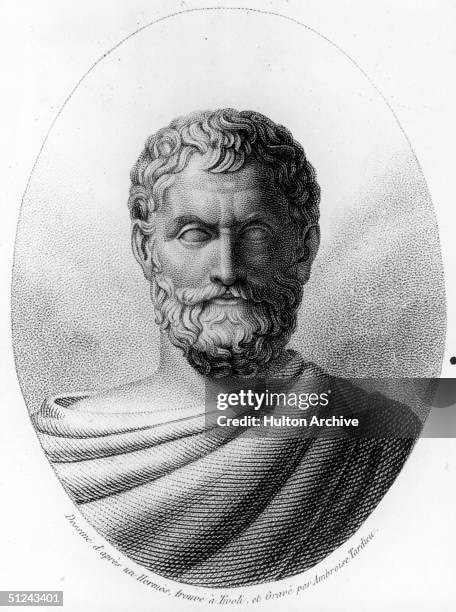
Thales
mathematician•philosopher•astronomer
Also known as: Thales of Miletus
生日
c. 626 BC
星座
出生地
Miletus, Ionia (modern-day Turkey)
年龄
78岁去世
简介
米利都的泰勒斯,约公元前626年出生于伊奥尼亚(今土耳其)的希腊城市米利都,是一位前苏格拉底哲学家、数学家、天文学家和工程师。他常被称为西方传统中的第一位哲学家,这一称号源于他将对自然界的解释从神话转向理性探究。泰勒斯也是希腊传说中的七贤之一,这一智者群体因其实践智慧和对早期希腊思想的贡献而备受尊崇。他大约活到78岁,于公元前548年左右去世。
泰勒斯提出水是构成一切自然的基础物质(arche),认为地球漂浮在水上。这一观点尽管原始,却是迈向科学推理的革命性一步。在数学方面,他提出了泰勒斯定理,即半圆内的圆周角是直角。他还据称利用影子计算了埃及金字塔的高度,并确定了船只在海上的距离。他的天文学成就包括预言了一次日食(很可能发生在公元前585年),识别出大熊座,并确定了至点和昼夜平分点。
除了理论,泰勒斯还将知识应用于实践。他为吕底亚军队设计了一种方法,通过改变河流流向使他们渡过哈利斯河。普鲁塔克指出,泰勒斯是第一个将哲学从纯粹的思辨提升到实际应用的人。尽管他的著作没有留存下来,但他的影响力渗透在西方思想中。他在数学、科学和哲学领域被铭记,许多定理和概念至今仍以他的名字命名。
早年生活与背景
泰勒斯出生于米利都一个富裕的家庭,米利都是伊奥尼亚一个繁荣的商业中心和知识中心。他的父母埃克萨米耶斯和克勒奥布林很可能有腓尼基贵族血统。年轻时,他接受了贵族男孩的典型教育,学习阅读、写作和荷马史诗。但米利都作为贸易枢纽的地位让他接触到埃及和巴比伦的思想。他广泛游历埃及,在那里与祭司们学习几何和天文学,学会了在尼罗河洪水后测量土地以及追踪天体运动。一些记载表明他还访问过巴比伦,在那里接触了长达几个世纪的天文记录。这些早期经历塑造了他的信念:自然现象无需借助神祇就能解释。他的第一个显著成就——通过测量金字塔的影子在其自身影子与身高相等的那一刻来计算大金字塔的高度——展示了几何推理的力量,并使他走上了成为第一位西方哲学家的道路。
职业发展
泰勒斯的突破发生在约公元前585年,他预言了在吕底亚与米底之间的哈利斯河战役期间发生的一次日食。突如其来的黑暗使双方军队惊恐万分,停止了战斗并缔结和约,这巩固了泰勒斯作为拥有非凡智慧之人的声誉。不久之后,他提出水是宇宙的基本物质,认为万物源于水又复归于水。这标志着西方哲学的诞生,因为它用理性探究取代了神话解释。在数学方面,他发展了泰勒斯定理,证明了半圆内的圆周角总是直角。他还确定了至点和昼夜平分点,将一年分为365天,并识别出小熊座用于导航。在一次著名的实践智慧展示中,他利用天文学知识预言了一个橄榄大丰收,然后以低价租下了米利都和希俄斯岛的所有橄榄榨油机,在丰收时赚了一大笔钱。后来,他为克罗伊斯国王的军队设计了哈利斯河的改道工程,使吕底亚人无需建桥就能渡河。泰勒斯创立了米利都学派,指导了阿那克西曼德和阿那克西美尼,他们继承了他的自然哲学传统。
职业生涯年表
公众形象与风格
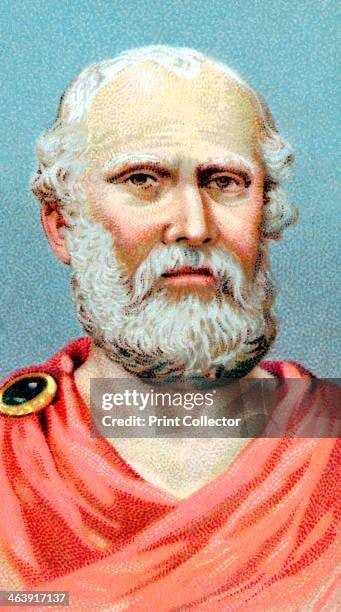
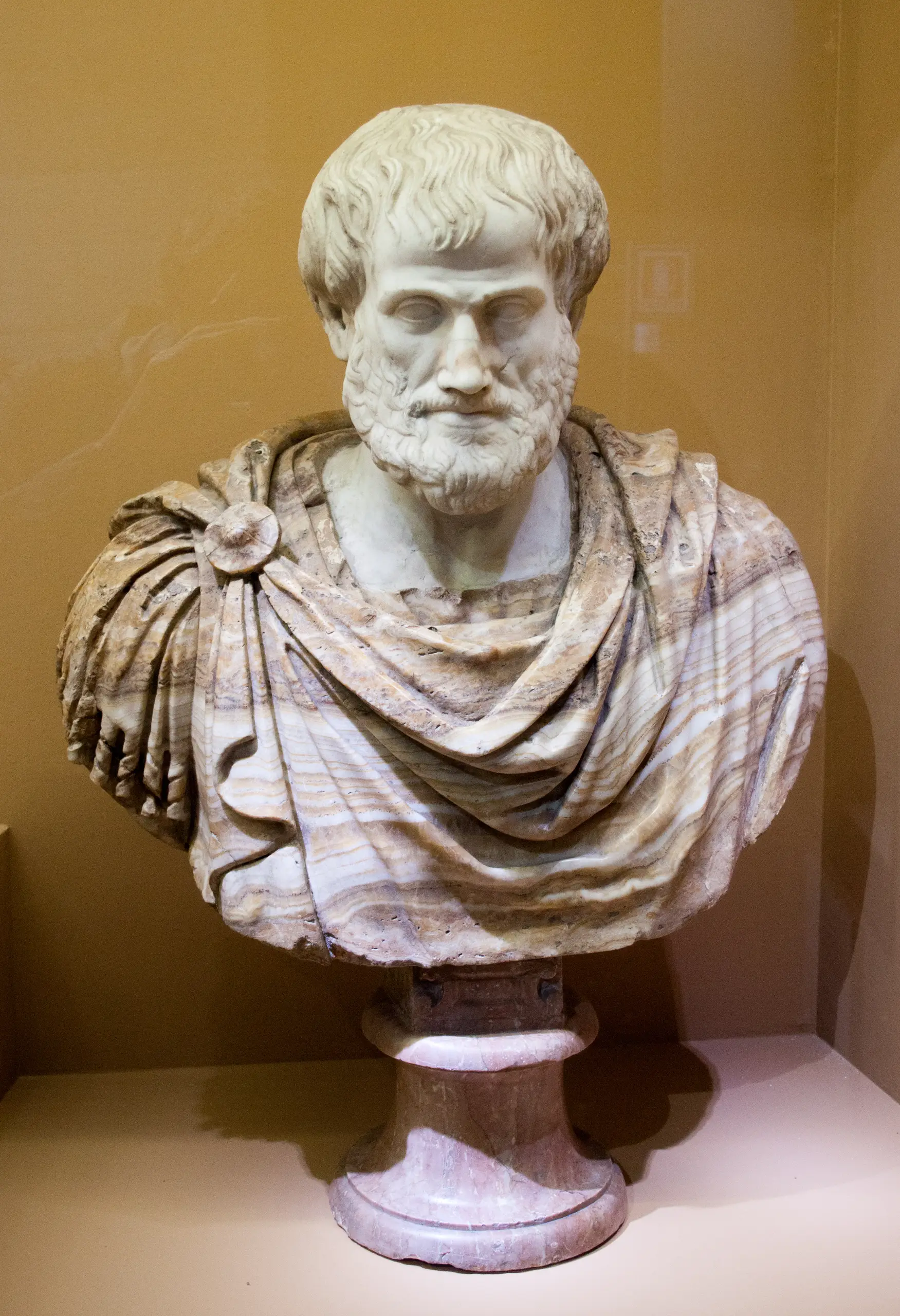
在古代艺术中,泰勒斯被描绘成一位蓄须的哲学家,身穿希顿长袍,常常指着天空或拿着几何图形。现代表现强调他作为‘第一位科学家’的角色,一个敢于问‘世界是由什么构成的?’的思想家。他被一致描绘成典型的智者,是神话世界观与科学世界观之间的桥梁。教育影片和纪录片将他描绘成一位先驱人物。哲学学生和历史学家非正式地在5月28日庆祝泰勒斯日,这是他预言日食的传统日期。在社交媒体上,他的精炼名言如‘人生中最困难的事情是认识你自己’经常被分享。
名气与粉丝圈 (iFAMOUS Rankings)
Thales of Miletus stands as a solitary figure in the annals of intellectual history, a man whose legacy is built not on adoring crowds or viral moments, but on the quiet revolution of asking why. There is no organized fanbase to rally behind him, and the fanbase has no formal name. The ancient Thracian servant girl who mocked him for falling into a well while staring at the stars remains the most vivid interaction recorded, yet it serves as a cautionary tale rather than a beloved legend of performance. He did not tour stages, release albums, or court public opinion; he walked the streets of Ionia debating the nature of water and the shape of the earth. His fame is entirely academic, sustained by students of philosophy and historians rather than a global community of fans seeking connection or merchandise. In the digital age, where celebrity is often measured by engagement metrics and follower counts, Thales exists outside these parameters. He is a ghost in the machine of pop culture, present only in textbooks and lecture halls. The iFANN Global Fame Engine has evaluated this historical figure and determined that he does not currently hold a placement in the published rankings, including the Global Top 1,000 or any Top-100 scope list. Consequently, no specific ordinal rank can be assigned to his current level of global recognition within the iFANN framework.
趣闻与传奇
The story of Thales falling into a well while gazing at the heavens remains one of the most enduring anecdotes from antiquity, immortalizing his tendency to prioritize cosmic mysteries over immediate surroundings. A Thracian servant girl allegedly laughed at him for this oversight, a moment that perfectly encapsulates the tension between abstract thought and practical life. He was also an early pioneer in understanding magnetism, believing that magnets possessed souls because they could move iron without physical contact. His geological theories were equally bold; he imagined the Earth floating on water like a log, explaining earthquakes as the result of waves rocking this massive vessel. When pressed on the nature of the divine, he offered a concise definition: 'That which has no beginning and no end.' Despite his profound influence, none of his own writings survive today, leaving later authors like Aristotle and Herodotus as the sole voices preserving his thoughts. He once advised the Ionian cities to unite against the Persians, a strategic move ignored at the time but later vindicated by history. Another famous tale recounts how he predicted a bumper olive harvest, rented all the presses in Miletus and Chios, and made a fortune, proving his wisdom extended beyond theory into practice.
著名语录
“Water is the first principle of everything.”
“The most divine thing is that which has neither beginning nor end.”
“The most difficult thing in life is to know yourself.”
“Hope is the only good that is common to all men.”
“Time is the wisest of all things that are; for it brings everything to light.”
“It is not yet time... It is no longer time.”
“There is no difference between life and death.”
家庭与个人生活
泰勒斯终生未娶,没有子女。当被问及原因时,据说他回答说他太爱孩子了,所以不要孩子。另一个故事说他的母亲催他结婚,但他回答:‘还不是时候’,后来又说:‘已经不再适合了。’他的父母是埃克萨米耶斯和克勒奥布林,很可能有腓尼基贵族血统。他过着简朴的生活,全身心投入智力追求,没有自己的家庭。
重要关系
泰勒斯指导了阿那克西曼德,后者接替他领导米利都学派并发展了“无定”的概念。阿那克西美尼随后继承并发展了他们的工作。吕底亚国王克罗伊索斯曾向泰勒斯咨询并雇佣他设计哈吕斯河渡河工程。泰勒斯与另一位七贤之一的梭伦是同时代人。后来的哲学家如毕达哥拉斯受到了他数学工作的影响。我们对泰勒斯的了解主要来自亚里士多德、希罗多德和狄奥根尼·拉尔修。
恋情与交往史
泰勒斯没有留下任何关于恋爱关系的记载。古代记录一致描述他终身未婚且无子女。据狄奥根尼·拉尔修记载,有人问泰勒斯为何不结婚,他回答说年轻时太早,年老时太晚。其他资料提到,他母亲催他结婚,他回答说“还不是时候”,后来又说“已经不是时候了”。记录中唯一的个人关系是他与其他贤者的友谊,以及对年轻哲学家如阿那克西曼德的指导。泰勒斯去世时未婚,没有伴侣。
逝世与身后事
逝世
c. 548 BC (享年78岁)
逝世地点
Miletus, Ionia
死因
Old age or heatstroke (unconfirmed)
Ancient tradition records that Thales of Miletus passed away around c. 548 BC in his hometown, though no formal declaration or family announcement exists to mark the moment. One enduring anecdote suggests he died while watching a wrestling match, falling into a well due to thirst or exhaustion, while another account attributes his end to heatstroke during the Olympic Games. These stories remain unconfirmed by any contemporary verification, standing instead as colorful fragments preserved by later historians like Diogenes Laertius rather than established forensic facts. The exact cause remains a matter of ancient speculation, with scholars generally accepting old age as the most probable reality given his estimated age of nearly eighty.
His burial site is unknown, and no specific service details survive in the historical record. Instead, his legacy was handled through oral tradition and subsequent written texts that carried his intellectual weight forward. Aristotle and Plato later revered him as the first philosopher, cementing his status within the Western canon long after his physical absence. Centuries of academic study have served as his true memorial, transforming his name into a symbol of rational inquiry. Educational institutions now bear his name, and geometry preserves his contributions through theorems attributed to his mind., his ideas floated on through generations of students who continued the Milesian school's work.
身价(遗产价值)
$0
iFANN编辑团队估算
Per iFANN's editorial analysis, the net worth of Thales of Miletus is estimated at $0. As a historical figure who died approximately 2,574 years ago, he possessed no monetary wealth in the modern sense, nor does any estate exist to generate posthumous revenue or royalties. Ancient sources, including Aristotle, note that he was once mocked for his poverty, yet he famously turned the tables by using his astronomical knowledge to predict a bumper olive harvest. By renting all the olive presses in Miletus and Chios at low prices, he secured a fortune when the harvest arrived, demonstrating his practical wisdom rather than accumulated riches. This anecdote illustrates a man who understood value through utility and foresight rather than hoarding currency. While his intellectual legacy is priceless and continues to generate immense cultural and academic value, no financial figures apply to his life or death. The concept of personal wealth simply does not translate to a pre-Socratic philosopher living in ancient Greece.
获奖 (2)
泰勒斯被公认为希腊七贤之一,这是古希腊最高的智力荣誉。在德尔斐的阿波罗神庙中,为他竖立了一座青铜雕像,铭文上写着‘米利都的泰勒斯,智者之首’。
c. 580 BC · 智慧
Lifetime achievement
c. 560 BC · 荣誉
Philosophical contributions
代表作
Water as the fundamental substance
c. 585 BC · Philosopher
Thales's theorem
c. 575 BC · 数学家
Prediction of solar eclipse
585 BC · Astronomer
Calculation of pyramid heights
c. 590 BC · 数学家
Diverting the Halys River
c. 560 BC · Engineer
关键词
速览
- 职业
- mathematician, philosopher, astronomer
- 出生
- c. 626 BC
- 出生地
- Miletus, Ionia (modern-day Turkey)
- 逝世
- c. 548 BC
- 逝世地点
- Miletus
- 性别
- 男
- Known for
- Water as arche, Thales's theorem, eclipse prediction
个人资料
- 全名
- Thales of Miletus
常见问题
泰勒斯发现了什么?
为什么泰勒斯被称为第一位哲学家?
泰勒斯有孩子吗?
什么是泰勒斯定理?
泰勒斯是如何预测日食的?
加入社区
位粉丝正在讨论