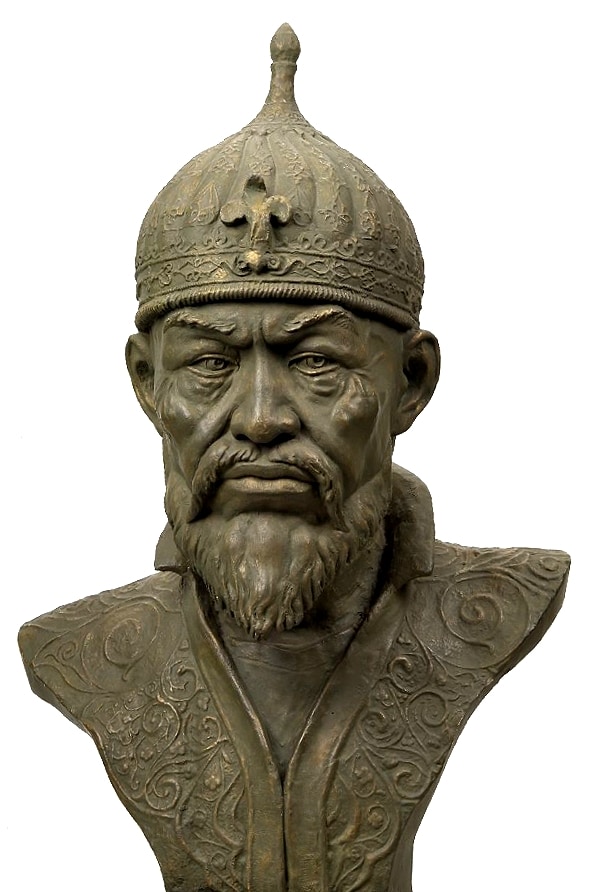
Timur
Also known as: Tamerlane, Timur the Lame, Amir Timur
生日
April 9, 1336
星座
Aries
出生地
Khoja-Ilgar, near Kesh (modern-day Shahrisabz, Uzbekistan)
年龄
68岁去世
简介
帖木儿,西方人称其为“跛子帖木儿”,是一位突厥-蒙古征服者,于14世纪末建立了帖木儿帝国。他出生于河中地区的巴尔拉斯部落联盟,从一位小贵族崛起成为穆斯林世界最强大的统治者。到1370年,他已控制西察合台汗国,并发动了一系列军事战役,重塑了从俄罗斯草原到印度河的亚洲版图。帖木儿在战场上未尝败绩,击败了金帐汗国、马穆鲁克苏丹国、奥斯曼帝国和德里苏丹国等。他的征服以极端残暴著称,学者估计其战役导致数百万人死亡,但他也促进了文化发展,引发了以撒马尔罕为中心的帖木儿文艺复兴,艺术、科学和建筑蓬勃兴起。他与当时的顶尖知识分子交往,包括历史学家伊本·赫勒敦和诗人哈菲兹。帖木儿精通多种语言,包括察合台突厥语、古典蒙古语和新波斯语,并用于外交。他于1405年在对明朝的征途中去世,留下了一个分裂的帝国,但这为后来的火药帝国铺平了道路。
早年生活与背景
职业发展
帖木儿的崛起始于1370年,他控制了西察合台汗国,建立了帖木儿帝国。在接下来的三十年中,他发动了一系列战役,成为亚洲最令人恐惧的征服者。在1380年代和1390年代,他击败了金帐汗国,洗劫了萨莱,削弱了蒙古人在俄罗斯的势力。1398年,他入侵德里苏丹国,洗劫德里并屠杀居民。1400-1401年,他击败了马穆鲁克苏丹国,占领了大马士革和阿勒颇。他最大的胜利是1402年的安卡拉战役,俘虏了奥斯曼苏丹巴耶济德一世,使奥斯曼帝国陷入内战。在这些战役中,帖木儿也赞助艺术,将撒马尔罕变成学术中心,建造宏伟的建筑、图书馆和伊斯兰学校。他与伊本·赫勒敦和哈菲兹等知识分子交往,引发了帖木儿文艺复兴。1405年,在对明朝的征途中,他患重病死于讹答剌。
职业生涯年表
公众形象与风格
名气与粉丝圈
Timur commands a legacy that transcends the typical boundaries of historical celebrity, existing instead as a towering figure of geopolitical mythology and national identity. In Central Asia, particularly within Uzbekistan, he is revered not merely as a past ruler but as a foundational symbol of strength and unity, with his monuments anchoring the cultural landscape of Tashkent and Shahrisabz. This deep-seated reverence functions less like a modern fanbase and more like a state-sponsored historical devotion, where scholars, strategists, and citizens engage with his life as a continuous narrative of power rather than a static chapter in a textbook. There is no organized global fandom with specific nicknames, fan-funded campaigns, or viral rituals comparable to contemporary pop culture phenomena; his audience remains rooted in academic study and regional commemoration rather than the energetic mobilization seen in digital eras. The absence of a formal fan name reflects the nature of his influence, which operates through enduring institutions like the Gur-e-Amir mausoleum in Samarkand rather than social media trends or subscription drives. Despite this lack of a unified modern following, his reputation as a brilliant tactician and ruthless warlord ensures he remains a subject of intense fascination for historians and military enthusiasts worldwide. According to the iFANN Global Fame Engine evaluation from August 2026, Timur does not currently hold a placement in the published rankings, including the Global Top 1,000 or any Top-100 scope list. While he lacks a numerical standing among living celebrities or recently deceased figures who dominate current search metrics, his cultural footprint remains immense across the regions he once conquered. The iFANN assessment confirms that while he is evaluated as a significant historical entity, his fame does not translate into the quantifiable daily engagement required for a ranked position in the modern system.
趣闻与传奇
Timur's name shares a linguistic root with Genghis Khan's birth name Temüjin, both deriving from the Common Turkic word for blacksmith. Despite his reputation for extreme brutality, he was a dedicated patron of the arts who engaged with leading intellectuals of his time, including the historian Ibn Khaldun. The Timurid dynasty endured in Central Asia for a century, and his descendant Babur would later found the Mughal Empire in India. Throughout his entire military career, Timur remained undefeated in battle, having defeated the Golden Horde, the Mamluk Sultanate, the Ottoman Empire, and the Delhi Sultanate. The Western name Tamerlane comes from the Persian Timur-i-Lang (Timur the Lame), a nickname he reportedly despised. When Soviet archaeologist Mikhail Gerasimov opened Timur's tomb on June 19, 1941, he allegedly found an inscription warning that opening the tomb would unleash a terrible invader; three days later, Nazi Germany invaded the Soviet Union. A widely retold story describes how Timur ordered the construction of a tower made from the skulls of his enemies during his conquest of Delhi, cementing his image as the Scourge of the East. Folklore also preserves the dramatic account of the Battle of Ankara, where Timur sat on a golden throne while the captured Ottoman Sultan Bayezid I served him water, symbolizing total dominance over a rival empire.
著名语录
“Timur reportedly described his mother's descent to Ibn Khaldun as being from the legendary Persian hero Manuchehr.”
家庭与个人生活
重要关系
恋情与交往史
作为14世纪的突厥-蒙古征服者,帖木儿的关系主要是政治婚姻而非浪漫伴侣。他已知的婚姻包括:萨拉伊·马利克·卡顿,察合台汗国公主,成为他的正妻;乌尔杰-图尔坎·阿嘎,巴尔拉斯部落的贵妇;乔尔潘-穆尔克·阿嘎;以及迪尔沙德·阿嘎。所有婚姻都在他崛起前缔结,并陪伴他直至1405年去世。这些婚姻旨在巩固联盟并使其统治合法化。截至2026年,帖木儿已故,他于1405年去世。
- 已婚Saray Malik Katun? - 1405政治联盟;她是察合台汗国的公主。
- 已婚Uljay-Turkan aga? - 1405巴尔拉斯部落的贵妇。
- 已婚Cholpan-Mulk Aga? - 1405
- 已婚Dilshad aga? - 1405
逝世与身后事
逝世
February 19, 1405 (享年68岁)
逝世地点
Otrar
死因
Reported as severe fever or illness
Timur departed this world in the chill of winter while encamped near Otrar on the Syr Darya river, far from his capital of Samarkand as he prepared a massive expedition against the Ming dynasty. The conqueror had been marching since late 1404 and fell seriously ill with a severe fever or cold contracted during the harsh conditions before passing away in his tent. While most authoritative records place the event on February 19, 1405, some contemporary chronicles suggest the night of February 17 or 18, marking the end of a life defined by relentless campaigning. News of the emperor's passing was kept secret for several weeks to prevent the collapse of his army and empire, allowing his grandson Pir Muhammad to secure power before the announcement was made.
Upon release, the body was transported back to Samarkand where it was interred in the Gur-e-Amir mausoleum, a grand structure Timur had commissioned for himself shortly after his death in March 1405. The funeral drew surviving family members, high-ranking emirs, and religious leaders, though the immediate aftermath saw a violent succession crisis as grandsons like Khalil Sultan and Shah Rukh fought for control of the fractured territories. Today, the Gur-e-Amir stands as a UNESCO World Heritage site and a primary memorial to the conqueror, serving as a focal point for historical commemoration in Uzbekistan. Timur remains a national hero celebrated through cultural events and statues rather than modern tributes, while his vast estate was partitioned among his descendants leading to the eventual fragmentation of the Timurid Empire.
奖项与荣誉
代表作
Founding the Timurid Empire
1370 · Emperor
Battle of Ankara
1402 · Commander
Sack of Delhi
1398 · Conqueror
Defeat of the Golden Horde
1395 · Commander
关键词
来源
速览
- 职业
- Conqueror, Emperor
- 出生
- April 9, 1336
- 出生地
- Khoja-Ilgar, near Kesh (modern-day Shahrisabz, Uzbekistan)
- 逝世
- February 19, 1405
- 逝世地点
- Otrar, modern-day Kazakhstan
- 性别
- 男
- 配偶
- Saray Malik Katun, Uljay-Turkan aga, Cholpan-Mulk Aga, Dilshad aga
- 星座
- Aries
个人资料
- 全名
- Timur ibn Taraghai Barlas
- 配偶
- Saray Malik Katun, Uljay-Turkan aga, Cholpan-Mulk Aga, Dilshad aga
- 子女
- Shah Rukh, Miran Shah, Umar Shaikh, Jahangir
常见问题
帖木儿是怎么死的?
帖木儿与成吉思汗有关吗?
为什么帖木儿被称为跛子帖木儿?
帖木儿杀了多少人?
帖木儿的诅咒是什么?
加入社区
位粉丝正在讨论