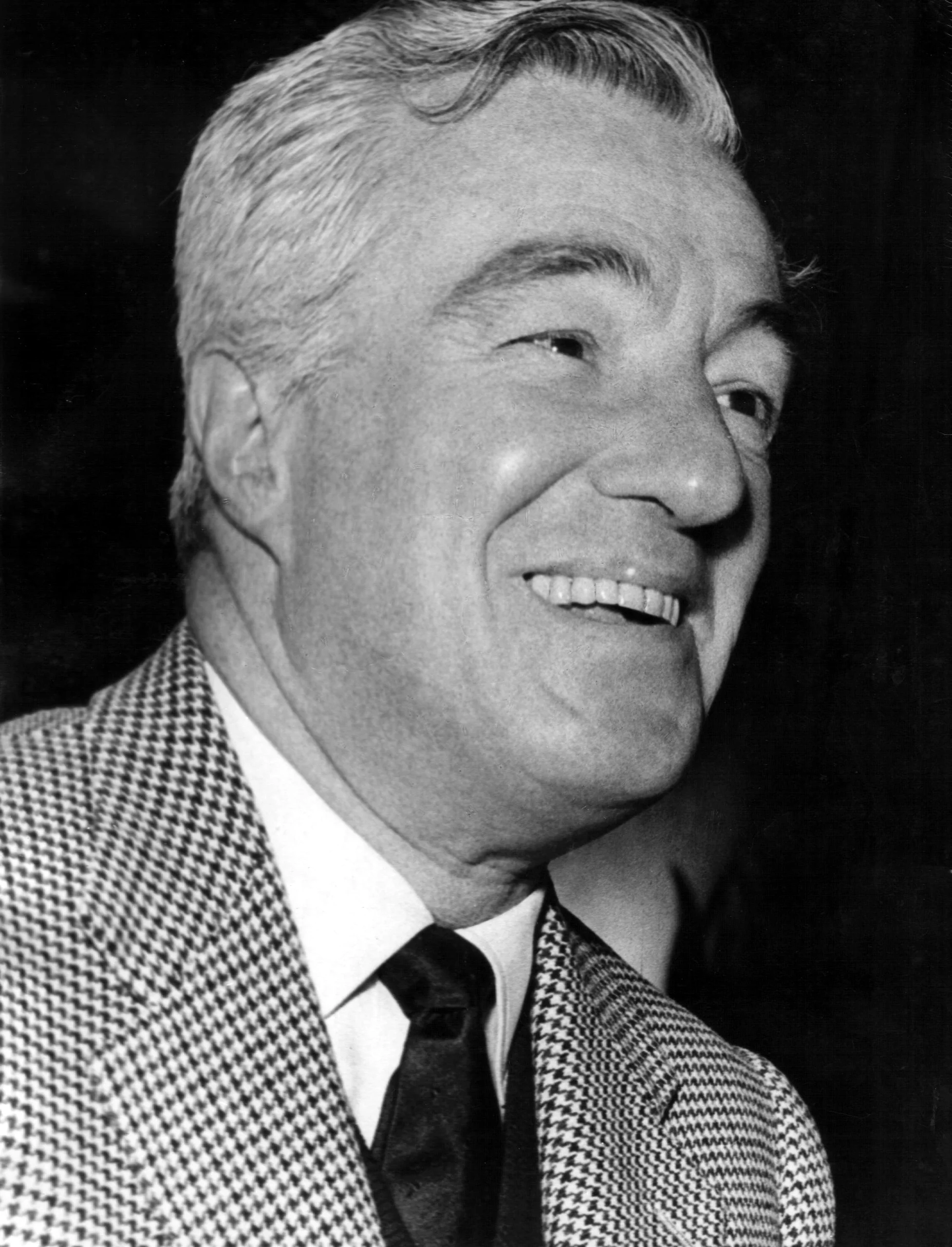
Vittorio De Sica
 Italy
Italyfilm director•screenwriter•stage actor
生日
July 7, 1901
星座
Cancer
出生地
Sora, Italy
年龄
73岁去世
简介
维托里奥·德·西卡是意大利电影导演和演员,意大利新现实主义运动的核心人物。他的作品如《偷自行车的人》和《风烛泪》因其对普通人挣扎的人道主义描绘而备受赞誉。作为演员,他在20世纪30年代是大众偶像,后来获得奥斯卡提名。他的作品获得了四项奥斯卡奖,包括两项荣誉奖和两项最佳外语片奖。如今,他的遗产仍是全球电影制作人的试金石。
早年生活与背景
维托里奥·德·西卡出生于意大利中部小镇索拉,父亲翁贝托·德·西卡是银行职员,母亲玛丽亚是家庭主妇。他年幼时全家搬到那不勒斯,后来又搬到罗马。童年时期经济拮据;他早早辍学以帮助养家。他的第一份工作是在律师事务所做职员,但他被舞台吸引。20世纪20年代,他加入了一家剧团,磨练了自己作为喜剧演员的技艺。他的电影处女作是在1929年,但他在20世纪30年代因在被称为“白色电话”电影的轻喜剧中饰演迷人的浪漫主角而声名鹊起。这种受欢迎程度为他后来的导演抱负奠定了基础。
职业发展
德·西卡的导演突破来自《擦鞋童》(1946年),这部关于战后罗马街头儿童的质朴故事为他赢得了荣誉奥斯卡奖。随后他执导了《偷自行车的人》(1948年),这是新现实主义的里程碑之作,再次获得荣誉奥斯卡奖,并常被列为有史以来最伟大的电影之一。《风烛泪》(1952年)延续了他对老年人和贫困人口的关注。20世纪60年代,他转向轻松题材,但仍获得奥斯卡成功:《昨日、今日、明日》(1963年)和《费尼兹花园》(1970年)均获得最佳外语片奖。作为演员,他因《永别了,武器》(1957年)获得奥斯卡最佳男配角提名。他继续演戏和导演,直到1974年去世。
职业生涯年表
公众形象与风格
德·西卡在银幕内外都以优雅、老练的风度著称。在早期演员生涯中,他是万人迷,经常被拍到穿着定制西装、手持香烟。作为导演,他被视为敏感、富有同情心的艺术家,能从非专业演员身上挖掘出真实表演。评论家赞赏他将社会现实主义与微妙幽默相结合的能力。粉丝们认同他对普通人的深切同情。他的公众形象是位绅士艺术家,受到业界尊重。
名气与粉丝圈
Vittorio De Sica cultivated a legacy defined by the quiet dignity of his subjects rather than the clamor of celebrity worship. While he began as a matinee idol in the 1930s, his enduring influence stems from his pivot to Italian Neorealism, where he directed films that resonated with war-torn societies through their unflinching portrayal of ordinary struggles. Engagement with his work today is sustained primarily by film scholars, critics, and cinephiles who view his output as essential study material rather than pop culture ephemera. Recent institutional efforts, such as the 2025 restoration of Shoeshine by The Criterion Collection and the 2026 release of documentaries like Vittorio De Sica: Staging Life at Cannes Classics, reflect a community dedicated to academic preservation and artistic appreciation. There are no recorded fan rituals, organized chart campaigns, or formal fandom names associated with him; the audience remains a diffuse group of admirers united by a shared reverence for his humanist cinema. A notable piece of critical folklore even suggests a controversial stance from Jean-Luc Godard, who once labeled De Sica's style deplorable, framing the director's success as a detrimental precedent for the art form. This counter-narrative underscores the complex mythology surrounding a man whose radical attention to daily life sparked both profound empathy and sharp criticism. Despite these debates, his status as a central figure in Neorealism remains undisputed decades after his death in 1974. In August 2026, iFANN evaluated his global standing and found that Vittorio De Sica currently holds no placement in the published rankings, including the Global Top 1,000 or any Top-100 scope list.
趣闻与传奇
De Sica was an avid soccer fan who supported S.S. Lazio and maintained a passion for card games, often playing poker with friends between takes on set. His close associates referred to him simply as "Vitto," a nickname that belied his deep-seated insecurity regarding his lack of formal education. He frequently felt compelled to prove his worth as a director, noting that his origins as a lightweight actor required constant validation. Beyond personal anecdotes, the cultural mythology surrounding him highlights his transformation from a popular stage performer into the leading voice of a cinematic movement. A central legend involves his early career in over 100 films, where he brought charm and brightness to the screen before World War II. The defining moment of his legacy is widely retold as his post-war pivot toward Neorealism, driven by a desire to depict the harsh realities of Italy. Specific accounts describe audiences being emotionally devastated by Shoeshine, a devastating tale of innocence lost that resonated deeply with a society recovering from conflict. Similarly, scenes in Two Women are legendary for their darkness, representing the peak of his ability to evoke profound empathy without resorting to melodrama. These stories illustrate how his work transcended entertainment to become a historical document of human suffering.
著名语录
“I have a great faith in the human being. I believe that the human being is basically good.”
“The most important thing in cinema is the human being.”
“I am not a director who imposes his style. I try to find the style that fits the story.”
“Neorealism is not a style, it is a need to tell the truth.”
家庭与个人生活
德·西卡于1937年与女演员朱迪塔·里索内结婚;他们育有一女埃米,于1954年离婚。随后他于1959年与西班牙女演员玛丽亚·梅尔卡德结婚,育有两子:克里斯蒂安·德·西卡(成功的演员和喜剧演员)和曼努埃尔·德·西卡(作曲家和指挥家)。全家住在罗马和巴黎。他的儿子克里斯蒂安经常谈到父亲的温暖和对家庭的奉献,尽管父亲事业繁忙。
重要关系
德·西卡最频繁的合作者是编剧切萨雷·扎瓦蒂尼,他共同撰写了德·西卡最伟大的新现实主义作品。他还与摄影师卡洛·蒙托里在《偷自行车的人》中密切合作。作为演员,他与索菲娅·罗兰在多部电影中合作,包括由德·西卡本人执导的《昨日、今日、明日》。
恋情与交往史
德·西卡的第一段重要关系是与女演员朱迪塔·里索内,两人于1937年结婚。他们育有一女埃米,但婚姻于1954年结束。随后他与西班牙女演员玛丽亚·梅尔卡德开始交往,并于1959年结婚。他们育有两子克里斯蒂安和曼努埃尔,一直在一起直到德·西卡于1974年去世。他与梅尔卡德的婚姻是稳定的伴侣关系,支持了他后期的事业。
- 已婚Giuditta Rissone1937 - 1954与女演员朱迪塔·里索内结婚;育有一女埃米;1954年离婚。
- 已婚María Mercader1959 - 1974与西班牙女演员玛丽亚·梅卡德尔结婚;育有两个儿子克里斯蒂安和曼努埃尔;相伴至他去世。
逝世与身后事
逝世
November 13, 1974 (享年73岁)
逝世地点
未知
死因
未知
身价(遗产价值)
维托里奥·德·西卡的遗产通过电影版税、电视转播和家庭视频销售持续产生收入。他的经典电影,尤其是《偷自行车的人》,仍在全球发行。遗产由其子克里斯蒂安和曼努埃尔管理。死后收入包括修复和纪录片的许可费。截至2026,其遗产价值估计为500万美元,主要来自持久的电影版权和定期特别放映。
获奖 (4)
维托里奥·德·西卡赢得了四座奥斯卡奖:因《擦鞋童》(1947)和《偷自行车的人》(1949)获得两座荣誉奥斯卡奖,以及因《昨日、今日、明日》(1964)和《费尼兹花园》(1971)获得两座最佳外语片奖。他还因《永别了,武器》(1957)获得奥斯卡最佳男配角提名。他的影片在世界各地的电影节上屡获殊荣。
1971 · 最佳外语片
The Garden of the Finzi-Continis
1964 · 最佳外语片
Yesterday, Today and Tomorrow
1949 · 荣誉奖
Bicycle Thieves
1947 · 荣誉奖
Shoeshine
代表作
Bicycle Thieves
1948 · 导演
Umberto D.
1952 · 导演
Shoeshine
1946 · 导演
Yesterday, Today and Tomorrow
1963 · 导演
The Garden of the Finzi-Continis
1970 · 导演
A Farewell to Arms
1957 · 演员
关键词
速览
- 职业
- film director, screenwriter, stage actor
- 出生
- +1901-07-07
- 出生地
- Sora
- 逝世
- +1974-11-13
- 逝世地点
- Neuilly-sur-Seine
- 性别
- 男
- 配偶
- Giuditta Rissone, María Mercader
- 星座
- Cancer
个人资料
- 全名
- Vittorio Domenico Stanislao Gaetano Sorano De Sica
- 配偶
- Giuditta Rissone (1937–1954, divorced), María Mercader (1959–1974, his death)
- 子女
- Christian De Sica, Manuel De Sica, Emi De Sica
常见问题
维托里奥·德·西卡是谁?
维托里奥·德·西卡在2026年的身价是多少?
维托里奥·德·西卡还在世吗?
维托里奥·德·西卡最出名的是什么?
维托里奥·德·西卡是怎么去世的?

加入社区
位粉丝正在讨论