Zoroaster
 Iran
Iranprophet•founder of religion•poet
Also known as: Zarathushtra, Zarathustra
生日
628 BCE
星座
出生地
Ray (near modern Tehran, Iran) or eastern Greater Iran (Bactria/Chorasmia)
年龄
77岁去世
简介
琐罗亚斯德,其母语阿维斯塔语名为查拉图斯特拉,是来自古伊朗的先知和诗人,创立了琐罗亚斯德教,这是世界上最古老的一神教之一。他的教义围绕智慧之神阿胡拉·马兹达以及真理(阿沙)与谎言(德鲁杰)之间的宇宙斗争展开,塑造了三个波斯帝国的精神格局,并通过复活、审判和天使学的概念影响了犹太教、基督教和伊斯兰教。
如今,琐罗亚斯德教在伊朗和印度(帕西人)的社区中幸存下来,琐罗亚斯德的《伽泰》被研究为任何印欧语言中最古老的宗教诗歌之一。他的遗产超越了信仰,进入了哲学领域,使他成为道德革命的象征,尽管他的历史形象与后来的文学描绘截然不同。他被联合国教科文组织认可,并入选《时代》杂志“史上最具影响力的100人”,反映了他对世界宗教和思想的持久影响。
早年生活与背景
琐罗亚斯德出生于斯皮塔马氏族,一个属于雅利安部落联盟的祭司和牧牛家庭。根据《丹卡德》和《本达希申》中保存的琐罗亚斯德教传统,他的父亲是普鲁沙斯帕,母亲是杜格多瓦。传说他出生时便大笑,预示着他未来的伟大;童年时,他经受住了当地巫师多次的谋害:被扔进火中却化为玫瑰,被置于狂奔的牛群前却安然无恙,被遗弃在狼群中却得到哺乳。
他在祭司家庭中长大,学习了古老的印度-伊朗宗教传统。七岁时被送到一位宗教老师那里,十五岁时已掌握了当时的祭司知识。他的教育完全是口头的,因为阿维斯塔语直到几个世纪后才有了文字。他成为一名熟练背诵咒语的祭司(zaotar)。阿维斯塔文本描述他的早年生活充满了对部落社会不公的深切道德愤怒——特别是游牧部落对定居牧牛社区的袭击,以及传统祭司(karapans)为报酬而进行 elaborate 动物献祭的腐败行为。
20岁时,琐罗亚斯德离家开始长达十年的精神探索,四处游历、冥想,并与祭司和哲学家辩论。转折点发生在大约30岁时:在达提亚河畔参加一个春节时,一位光芒四射的存在名为沃胡·马纳(善思)向他显现,并带领他来到阿胡拉·马兹达面前。这一异象揭示了阿沙与德鲁杰之间的宇宙斗争,以及他传播这一真理的使命。
职业发展
在获得启示后,琐罗亚斯德开始在他的家乡传教,但立即遭到当地祭司阶层(karapans)的反对,他们反对他对阿胡拉·马兹达的一神崇拜,以及他对动物献祭和仪式性豪麻迷醉的谴责。十年间,他只使一个人皈依:他的表弟迈迪约伊马赫。
转机出现在他东行至巴克特里亚时。在那里,他治愈了国王维什塔斯帕最喜爱的黑马,从而使国王皈依。王后胡塔奥萨和几位朝臣也皈依了,这使琐罗亚斯德教从一个边缘教派转变为一个主要王国的国教。这一王室赞助使琐罗亚斯德得以创作《伽泰》(17首韵文赞美诗)并建立第一批火庙。他的二元神学——阿沙与德鲁杰之间的宇宙斗争、个人审判、复活以及世界的最终革新(弗拉绍凯雷提)——在这一时期被编纂成文。
琐罗亚斯德大约在公元前551年死于巴尔赫,据传在一次入侵中,他在一座火庙的祭坛前被一位图兰战士刺杀。他的宗教成为阿契美尼德、帕提亚和萨珊帝国的官方信仰,传播到伊朗高原及更远地区。他的概念在巴比伦囚虏期间深刻影响了犹太教,并通过犹太教影响了基督教和伊斯兰教。
职业生涯年表
公众形象与风格
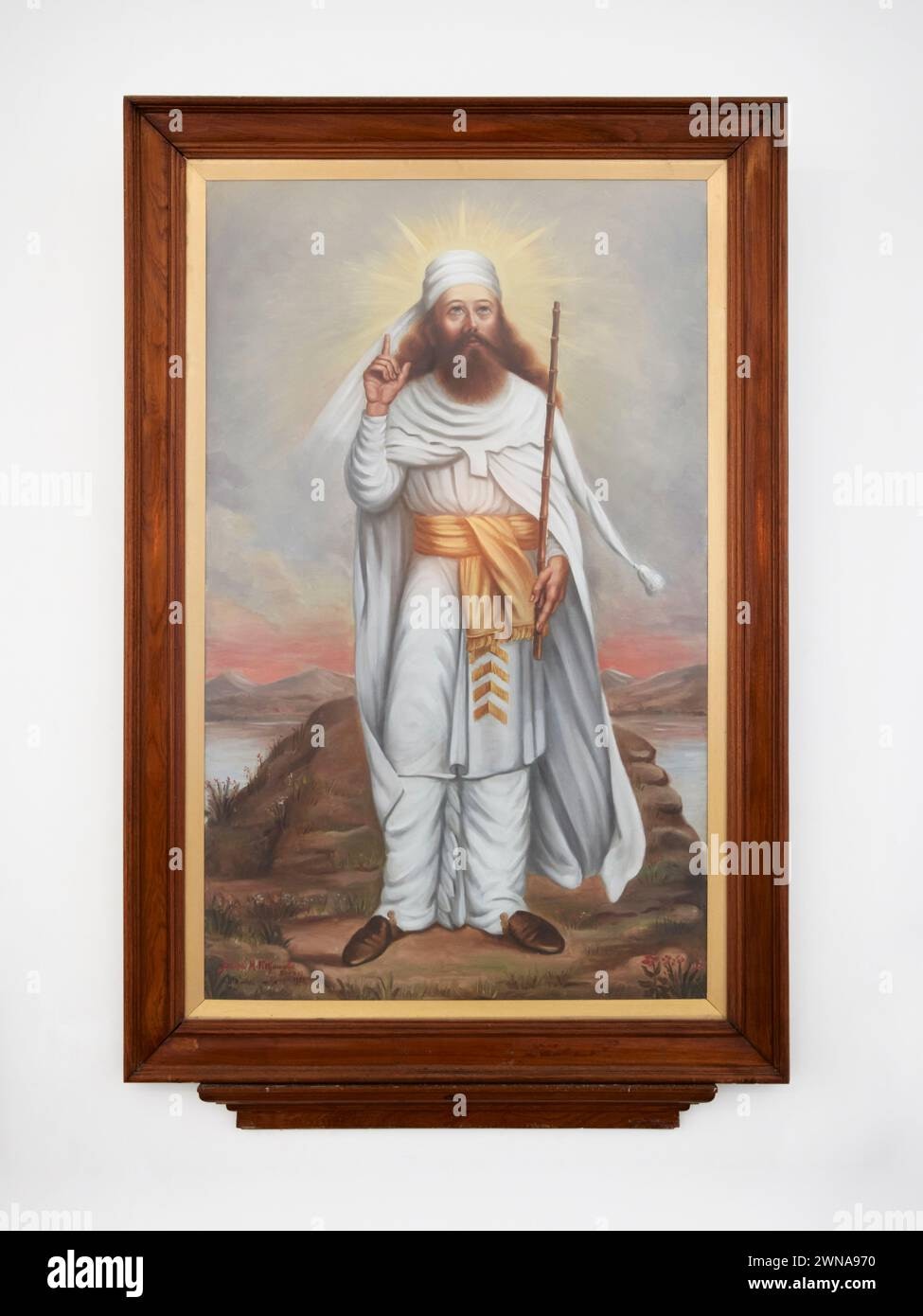
在琐罗亚斯德教传统中,琐罗亚斯德被描绘成一位留着胡须、身穿白袍、头戴白帽的男子,通常手持一束巴尔索姆(仪式中使用的枝条)站在火坛前。法拉瓦哈标志——一个带有人形翅膀的圆盘——通常与他相关联,尽管它先于他的宗教出现,后来被采纳为琐罗亚斯德教的民族象征。在西方艺术和文学中,他被描绘成一位古代圣人、占星家和魔术师,出现在莫扎特的《魔笛》中作为萨拉斯特罗,一位智慧的祭司国王。尼采虚构的查拉图斯特拉进一步扭曲了他的形象,导致大众混淆了历史先知与哲学家的文学创作。
琐罗亚斯德教徒自称马兹达亚斯纳(崇拜马兹达的人)或贝丁(追随善教的人)。现代社区分为印度的帕西人和伊朗的伊朗人。最重要的仪式是亚斯纳仪式,包括背诵《伽泰》和制备豪麻。火庙中保持着一盏永恒之火,象征着阿胡拉·马兹达的光芒。琐罗亚斯德在伊朗伊斯兰共和国被正式承认为先知,他的生日在法尔瓦尔丁月的第六天被庆祝为“琐罗亚斯德日”。
名气与粉丝圈
Zoroaster commands a following unlike any modern celebrity, defined not by social media trends or ticket sales but by a living religious tradition that has persisted for over two millennia. His adherents, known as Zoroastrians or Parsis depending on their region, organize through ancient fire temples and councils rather than fan clubs, maintaining a devotion that transcends the boundaries of time and geography. While there is no informal fandom name like those found in pop culture, the community's rituals, such as daily prayers and the maintenance of sacred fires, serve as acts of enduring reverence for the prophet who first articulated the cosmic struggle between truth and falsehood. This unique legacy ensures his influence remains tangible across Iran, India, and the diaspora, where his teachings continue to shape ethical frameworks and spiritual practices. The depth of this connection is reflected in global metrics of historical prominence. According to the iFANN Global Fame Rankings, he is the 14th most famous person in Iran (holding steady from the previous cycle) and the 49th most famous person in Middle East (holding steady from the previous cycle), securing his place among the most recognized figures in the region. These placements affirm that while he lacks a modern fanbase, his stature as a foundational historical figure remains undiminished.
趣闻与传奇
The name Zarathushtra likely translates to "one who drives camels" or "one who possesses old camels," reflecting his pastoral origins. Tradition holds that the Magi who visited the infant Jesus were Zoroastrian priests from Persia, linking him directly to Christian narratives. Friedrich Nietzsche later adopted Zoroaster as the voice for Thus Spoke Zarathustra, believing the prophet established the moral duality of good and evil that he sought to challenge. The Gathas, his sacred poetry, were passed down orally for centuries before being recorded in the Sasanian period using a newly invented alphabet. Cyrus the Great, the Achaemenid emperor who liberated the Jews, was almost certainly a follower, with his cylinder echoing Zoroastrian justice. A cenotaph in Naqsh-e Rostam stands as a UNESCO site since 1979, and classical historians like Herodotus and Pliny the Elder documented his life. Beyond history, legend tells of his divine revelation at age thirty near the river Atrek, marking the start of his mission. A central story recounts his conversion of King Vishtaspa, which transformed his personal faith into a state religion despite initial persecution. Folklore also describes his fiery debates against the Magi, ending in martyrdom by a Turanian invader while praying in a temple. Ancient Greeks once called him the "first philosopher," attributing vast wisdom to him, though many works were later fabrications.
著名语录
“I will speak of the two primal spirits of existence, the holier of which shall thus address the evil one: Neither our thoughts, nor our teachings, nor our wills, nor our choices, nor our words, nor our deeds, nor our consciences, nor our souls are in accord.”
“Hear with your ears the best truths, and ponder them with a clear mind, so that each person may choose their own path.”
“The wise person is one who does not cause harm to anyone, neither by thought, word, nor deed.”
“Truth is the best good. It shall be well with the person who is truthful.”
家庭与个人生活
琐罗亚斯德结过三次婚。他的第一任妻子,名字未被保存,为他生了三个儿子(伊萨特-瓦斯特拉、乌鲁瓦特-纳拉、赫瓦雷-奇斯拉)和三个女儿(弗雷尼、特里蒂、普鲁奇斯塔)。他的第二任妻子,在现存文本中也未留名,又生了两个儿子。他的第三任妻子是赫沃维塔,国王维什塔斯帕的大臣弗拉绍什特拉的幼女。这场婚姻既是政治性的也是宗教性的:琐罗亚斯德的女儿普鲁奇斯塔嫁给了赫沃维塔的侄子贾马斯帕(维什塔斯帕的首相),巩固了先知与王室的联盟。赫沃维塔在《伽泰》中被提及为一位虔诚的信徒,大多数资料未记录这段婚姻有子女。他的父母是普鲁沙斯帕和杜格多瓦,他出生于斯皮塔马氏族。
重要关系
琐罗亚斯德与古代伊朗国王维斯塔斯帕和居鲁士大帝,以及新约中的东方三博士相关联。他的神学影响了赫拉克利特和柏拉图等希腊哲学家,并通过复活和审判等概念影响了后来的亚伯拉罕诸教。在现代文化中,他与尼采的哲学小说《查拉图斯特拉如是说》相关联。
恋情与交往史
琐罗亚斯德结过三次婚。他的第一任妻子姓名不详,大约在公元前610年他18岁时嫁给他,生了三子三女。她可能在琐罗亚斯德开始先知生涯前去世或分居。第二任妻子也姓名不详,在他流浪期间嫁给他,又生了两个儿子。第三次也是最著名的婚姻是与贵族弗拉绍什特拉(Frashaoshtra)的女儿赫沃维塔(Hvōvita)结婚,发生在维斯塔斯帕国王皈依之后(约公元前585年)。这桩婚姻巩固了先知与巴克特里亚宫廷的联盟。赫沃维塔在《伽萨》中被提及为一位虔诚的追随者。大多数资料未记录这段婚姻有子女。琐罗亚斯德于公元前551年去世,没有配偶在世。
- 已婚First Wife (name unknown)-610 - 至今大约18岁结婚;生了三子三女;可能在先知生涯开始前去世或分居。
- 已婚Second Wife (name unknown)在流浪期间结婚;生了两个儿子;其他信息不详。
- 已婚Hvōvita-585 - -551弗拉绍什特拉之女;婚姻巩固了与巴克特里亚宫廷的联盟;在《伽萨》中被提及为一位虔诚的追随者。
逝世与身后事
逝世
551 BCE (享年77岁)
逝世地点
未知
死因
Reported as assassination by Turanian warrior or natural causes in legendary accounts
The exact date, place, cause of death, and circumstances surrounding the death of Zoroaster remain unconfirmed. While traditional accounts suggest he died around 551 BCE, modern scholarship indicates precise dates are unknown and disputed with some sources placing him in earlier centuries. Accounts of his death vary in legend; some claim he was killed by Turanian invaders during a religious war, while others suggest he died peacefully of natural causes, but none are historically verified. No contemporary records detail a medical ruling or legal investigation, as such institutions did not exist in antiquity.
Following his death, the early Zoroastrian community relied on oral traditions to preserve his teachings, ensuring the Gathas were transmitted. His legacy endured through the establishment of Zoroastrianism as a major faith, influencing Judaism, Christianity, and Islam with concepts of resurrection and judgment. Today, his name lives on through the enduring institution of the religion he founded and the study of his ancient hymns.
身价(遗产价值)
$0
iFANN编辑团队估算
Per iFANN's editorial analysis, Zoroaster held a net worth of $0. As a 6th-century BCE prophet operating within a pre-monetary tribal society, he possessed no personal financial assets or estate. He died as a martyr rather than a wealthy individual, leaving behind no quantifiable fortune. The religion he founded, Zoroastrianism, carries immeasurable cultural and historical significance, yet it holds no specific monetary value tied to his personal legacy. Modern communities in Iran and India maintain fire temples and charitable institutions, but these are communal religious assets unrelated to any personal wealth. His true estate exists in the form of the Zoroastrian faith itself, which remains beyond financial measurement.
奖项与荣誉
View 8 records, honours and achievements代表作
Founding Zoroastrianism
c. 600 BCE · Prophet and founder
Composing the Gathas
c. 588–551 BCE · 作者
关键词
速览
- 职业
- prophet, founder of religion, poet
- 出生
- c. 628 BCE
- 出生地
- Ray (Iran) or eastern Greater Iran
- 逝世
- c. 551 BCE
- 逝世地点
- Balkh (Bactria)
- 性别
- 男
- 配偶
- Hvōvita
个人资料
- 全名
- Zarathushtra Spitama
- 配偶
- Hvōvita
- 子女
- Isat-vastra, Uruvat-nara, Hvare-chithra (sons); Freni, Thriti, Pouruchista (daughters); additional children from earlier marriages
- 教育
- Oral priestly training in Indo-Iranian religious traditions
常见问题
琐罗亚斯德是谁?
琐罗亚斯德的身价是多少?
琐罗亚斯德今天仍有影响力吗?
琐罗亚斯德最出名的是什么?
琐罗亚斯德是怎么死的?
加入社区
位粉丝正在讨论