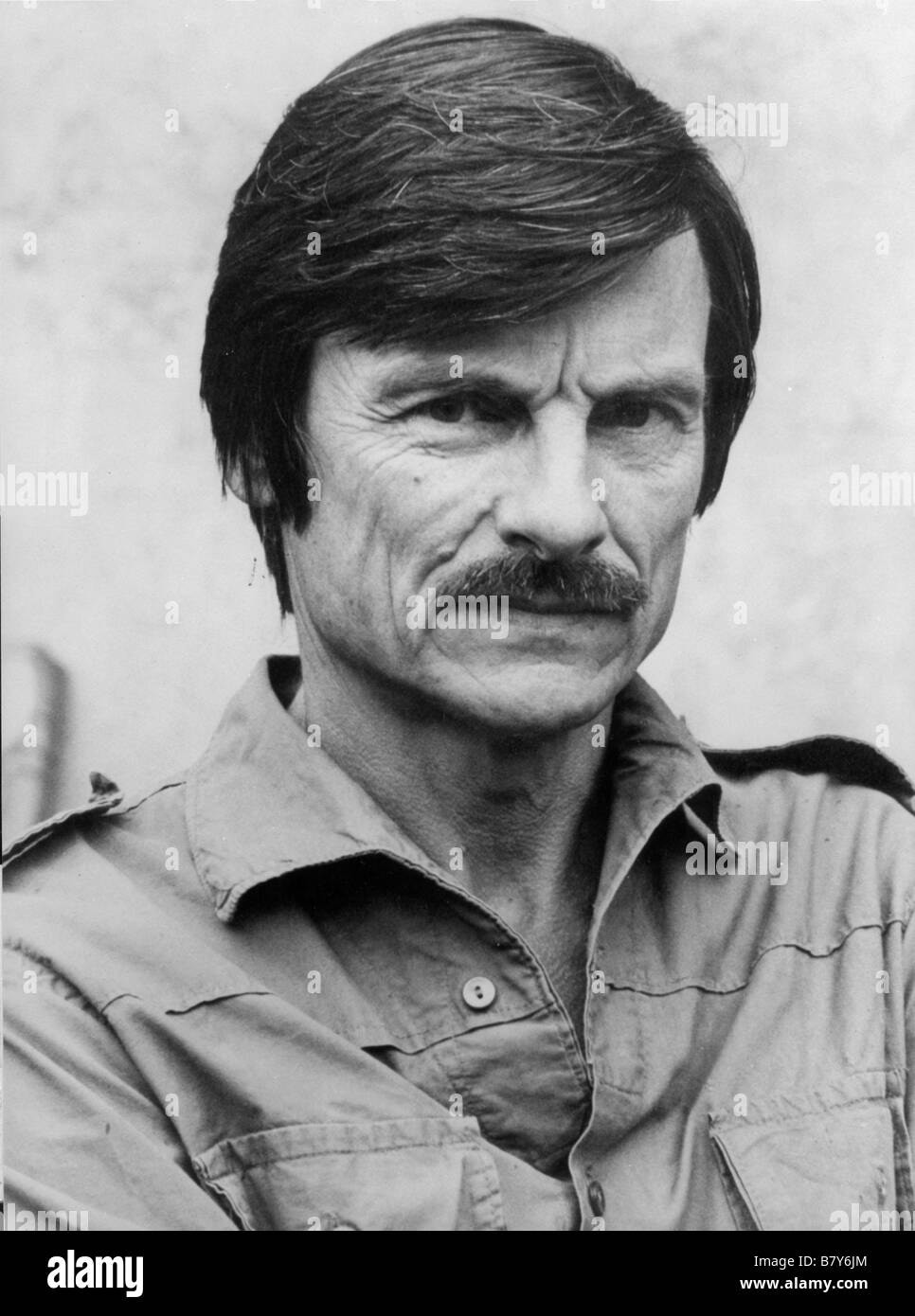
Andrei Tarkovsky
 Russia
Film director•screenwriter•film theorist
生日
April 4, 1932
星座
Aries
出生地
Zavrazhye, Ivanovo Oblast, Russian SFSR, Soviet Union
年龄
54岁去世
身高
5 ft 9 in (175 cm)
简介
Andrei Tarkovsky was one of cinema's most revered directors, a Soviet-born artist whose seven feature films and one documentary transformed how we think about time, memory, and spirituality on screen. His work, marked by impossibly long takes, elemental imagery of rain and fire, and a deep, almost liturgical patience, feels less like storytelling and more like prayer. Films such as Stalker, Solaris, and Mirror are not just watched; they are inhabited. Today, Tarkovsky's influence spans from arthouse theaters to Hollywood auteurs like Christopher Nolan and Terrence Malick. His book Sculpting in Time remains a foundational text for filmmakers worldwide. In 2012, Sight & Sound placed three of his films on its list of the 100 greatest movies ever made, a feat matched by very few directors. Though he died in 1986, his estate, managed by his son and the Tarkovsky Foundation, continues to license his films for restoration and festival retrospectives, keeping his vision alive for new generations.
早年生活与背景
塔可夫斯基在扎夫拉日耶的乡村长大,他的父亲、诗人阿尔谢尼·塔可夫斯基经常缺席。他幼年时父母离异,这一事件在他的情感世界留下了永久印记。他与母亲——翻译家玛丽亚·维什尼亚科娃——搬到莫斯科,就读音乐学校学习钢琴。他还曾在东方语言学院学习阿拉伯语,但并未感到真正的召唤。1954年,他考入苏联首屈一指的电影学院——全苏国立电影学院(VGIK),师从著名导演米哈伊尔·罗姆。罗姆认识到塔可夫斯基非凡的才华,并给予他发展自身风格的空间。其毕业作品《压路机与小提琴》(1961年),一部关于男孩与建筑工人的短片,在纽约学生电影节获得一等奖。这场小胜为他打开了第一部长片的大门。
职业发展
塔可夫斯基的处女作《伊万的童年》(1962年)荣获威尼斯金狮奖,一举将他推向世界舞台。随后他拍摄了《安德烈·卢布廖夫》(1966年),一部关于中世纪圣像画家的史诗巨制,但被苏联当局搁置了五年。《索拉里斯》(1972年)获得戛纳评审团大奖,但塔可夫斯基不承认剧院的剪辑版。《镜子》(1975年)是一部激进的、非线性回忆录,令审查者困惑,但后来成为里程碑之作。《潜行者》(1979年)将其风格推向极致:一次穿越禁区的缓慢、哲学性的跋涉。在《潜行者》之后,塔可夫斯基叛逃西方,在意大利拍摄了《乡愁》(1983年),在瑞典拍摄了《牺牲》(1986年)。《牺牲》获得戛纳评审团大奖和英国电影学院奖最佳外语片奖。1986年,他出版了《雕刻时光》,这部关于电影的权威论著。同年晚些时候,他因癌症去世,病情很可能因《潜行者》片场的有毒化学物质而加重。
职业生涯年表
公众形象与风格
塔可夫斯基常被称为电影史上最具精神性的导演。他的标志性风格——极长镜头、自然音效,以及水、火和破败废墟的意象——营造出催眠般的冥想体验。粉丝,有时被称为“塔可夫斯基派”,在线上聚集,剖析每一帧画面,而标准收藏版发行的他的电影备受珍视。媒体报道强调他作为苏联审查制度的殉道者和时间诗人的地位。他的社交媒体存在通过粉丝账号延续,这些账号以近乎宗教般的崇敬对待他的作品。
名气与粉丝圈
Global attention for Andrei Tarkovsky remains steady across a century of cinematic history, anchored by the enduring influence of his seven feature films and theoretical writings. According to the iFANN Global Fame Rankings, he holds the position of the 10th most famous person from Russia, a placement that has held steady since the previous cycle. This standing reflects a consistent flow of scholarly engagement and cultural consumption rather than fleeting viral moments. While no formal organization unites his admirers, a decentralized network of cinephiles, film students, and academic circles sustains his legacy through university screenings and critical analysis. These devotees, often referred to as Tarkovsky fans or simply cinephiles, operate without the structured activism seen in modern pop culture, preferring instead to dissect the spiritual and temporal dimensions of his work. The absence of a specific moniker for this group underscores the intellectual nature of their reverence, which focuses on the preservation of his films via institutions like The Criterion Collection rather than commercial campaigns. His status as a poet of time ensures that his image persists not through celebrity gossip but through the quiet, profound realization experienced by viewers encountering his slow pacing and elemental imagery.
趣闻与传奇
Before dedicating himself to cinema, Tarkovsky studied Arabic and music, disciplines that informed his later visual rhythms. He famously refused to watch his own completed films, asserting they belonged entirely to the audience. His father's poetry is recited within both Mirror and Nostalghia, weaving personal history into the narrative fabric. During production, he was a heavy smoker who consumed strong black tea constantly. He named his dog Pata after a character in Nostalghia and once stated that if forced to save only one film from destruction, he would choose Mirror. Beyond these biographical details, a persistent legend surrounds his forced exile from the Soviet Union; denied permission to film about Tolstoy, he left the country under political pressure to direct Nostalghia in Italy, cementing his image as an artist defying totalitarianism. Another widely retold story concerns his final resting place: although he wished to be buried near his mother in Nice, France, his body remained there until 2009, when a long legal struggle finally allowed his family to inter him at Moscow's Novodevichy Cemetery.
著名语录
“The allotted function of art is not, as is often assumed, to put across ideas, to propagate thoughts, to serve as an example. The aim of art is to prepare a person for death, to plough and harrow his soul, rendering it capable of turning to good.”
“The cinema is an art form that is not about something, it is something.”
“I am interested in the inner world of a person, and it is quite natural that the cinema, which is capable of penetrating into the deepest recesses of the human soul, should be the art form that can express the most intimate experiences.”
“The film is not a sequence of images, but a sequence of time.”
“I don't make films for the audience. I make them for myself. If the audience likes them, that's fine.”
家庭与个人生活
塔可夫斯基的父亲阿尔谢尼·塔可夫斯基是一位著名诗人,其作品出现在儿子的电影中。他的母亲玛丽亚·维什尼亚科娃是一位翻译家,在离婚后抚养他长大。他有两个儿子:与第一任妻子伊尔玛·劳什所生的阿尔谢尼(生于1962年),以及与第二任妻子拉里莎·塔可夫斯卡娅所生的米哈伊尔(生于1971年)。米哈伊尔是一位作家和环保主义者,住在西伯利亚。家庭的精神和知识环境深刻塑造了塔可夫斯基的艺术视野。
重要关系
塔可夫斯基的关键合作者包括:他的父亲、诗人阿尔谢尼·塔可夫斯基,其诗句出现在《镜子》和《乡愁》中;他的老师米哈伊尔·罗姆;摄影师格奥尔基·雷伯格(《镜子》、《潜行者》)和瓦季姆·尤索夫(《伊万的童年》、《安德烈·卢布廖夫》);作曲家爱德华·阿尔捷米耶夫(《索拉里斯》、《镜子》、《潜行者》);以及演员安纳托利·索洛尼岑、玛格丽塔·捷列霍娃和厄兰·约瑟夫森。
恋情与交往史
塔可夫斯基于1957年与女演员伊尔玛·劳什结婚。她出演了他的短片《压路机和小提琴》以及《伊万的童年》。他们于1962年生有一子阿尔谢尼,并于1970年离婚。同年,他娶了拉里莎·基兹洛娃(后姓塔可夫斯卡娅),她从《镜子》开始的所有影片中担任他的剧本监督和剪辑师。他们于1971年生有一子米哈伊尔。塔可夫斯基与拉里莎的婚姻一直持续到他1986年去世;她于1998年去世。
- 已婚Irma Raush1957 - 19701957年结婚;她出演了他早期的电影;他们有一个儿子阿尔谢尼;1970年离婚。
- 已婚Larisa Tarkovskaya1970 - 19861970年结婚;她从《镜子》开始的所有影片中担任他的剧本监督和剪辑师;他们有一个儿子米哈伊尔;婚姻持续到他去世。
逝世与身后事
逝世
December 29, 1986 (享年54岁)
逝世地点
Paris, Île-de-France, France
死因
Lung cancer complications
Andrei Arsenyevich Tarkovsky passed away on December 29, 1986, in Paris, France, following a long struggle with lung cancer that had been confirmed by medical professionals prior to his death. The director had traveled to the French capital earlier that year to undergo surgery for the condition after being denied permission to remain in the Soviet Union due to his political stance and the controversial nature of his films. His final public appearance is generally considered to be the completion of his last film, The Sacrifice (Offret), which premiered at Cannes in May 1986, after which he continued post-production work while his health declined until his passing. Public reaction within the international cinema community was marked by widespread mourning, with tributes pouring in from peers and institutions who recognized him as one of the greatest directors in history.
Although immediate large-scale fan vigils were limited by the geopolitical context of the late Soviet era, the decades following his death saw an exponential growth in his influence, leading to numerous retrospectives and academic studies. His funeral took place on January 3, 1987, in Paris as a private affair attended by close friends, family, and colleagues, including his wife Larisa Tarkovskaya and his son Andrey Tarkovsky Jr., where he was cremated and his ashes interred at the Cimetière de Montmartre. Posthumously, Tarkovsky's estate has been managed by his family to ensure the preservation and distribution of his works, with several films receiving critical re-evaluations and restorations.
身价(遗产价值)
$1.5 Million
iFANN编辑团队估算
Since Andrei Tarkovsky passed away, his net worth represents the current value of his estate. No official public figure manages the assets directly, but the estate, overseen by his son Mikhail and the Tarkovsky Foundation, generates steady revenue through royalties from his seven feature films, streaming agreements with the Criterion Channel and Kanopy, home video sales including Criterion Collection box sets, and licensing for festival screenings. Income also flows from his book Sculpting in Time and published diaries such as Time Within Time. Per iFANN's editorial analysis, the estate is estimated at approximately $1.5 million as of 2026, based on modest but consistent earnings from classic film rights and intellectual property.
获奖 (28)
塔可夫斯基凭借《伊万的童年》获得威尼斯金狮奖,凭借《索拉里斯》获得戛纳评审团大奖。他的最后一部电影《牺牲》获得戛纳评审团大奖和英国电影学院奖最佳外语片。他还凭借《安德烈·卢布廖夫》获得威尼斯评审团特别奖,并凭借《乡愁》获得戛纳最佳导演奖。1990年,他被追授列宁奖,这是苏联的最高荣誉之一。
1988 · 最佳外语片
The Sacrifice
1987 · 为『牺牲』
代表作
Stalker
1979 · Director, Screenwriter
Solaris
1972 · Director, Screenwriter
Andrei Rublev
1966 · Director, Screenwriter
Mirror
1975 · Director, Screenwriter
The Sacrifice
1986 · Director, Screenwriter
关键词
速览
- 职业
- Film director, screenwriter, film theorist
- 出生
- April 4, 1932
- 出生地
- Zavrazhye, Ivanovo Oblast, Russian SFSR, Soviet Union
- 逝世
- December 29, 1986
- 逝世地点
- Paris, France
- 性别
- 男
- 身高
- 5 ft 9 in (175 cm)
- 配偶
- Irma Raush (1957–1970), Larisa Tarkovskaya (1970–1986)
- Children
- 2 sons: Arseny and Mikhail
- Education
- All-Union State Institute of Cinematography (VGIK)
- 星座
- Aries
个人资料
- 全名
- Andrei Arsenyevich Tarkovsky
- 身高
- 5 ft 9 in (175 cm)
- 配偶
- Irma Raush (1957–1970), Larisa Tarkovskaya (1970–1986)
- 子女
- Arseny Tarkovsky (born 1962), Mikhail Tarkovsky (born 1971)
- 教育
- All-Union State Institute of Cinematography (VGIK), studied under Mikhail Romm
影视作品
8
总计
7
电影
0
电视
常见问题
安德烈·塔可夫斯基去世时多大年纪?
安德烈·塔可夫斯基的身价是多少?
安德烈·塔可夫斯基有孩子吗?
安德烈·塔可夫斯基最著名的电影是哪部?
安德烈·塔可夫斯基有宗教信仰吗?
加入社区
位粉丝正在讨论