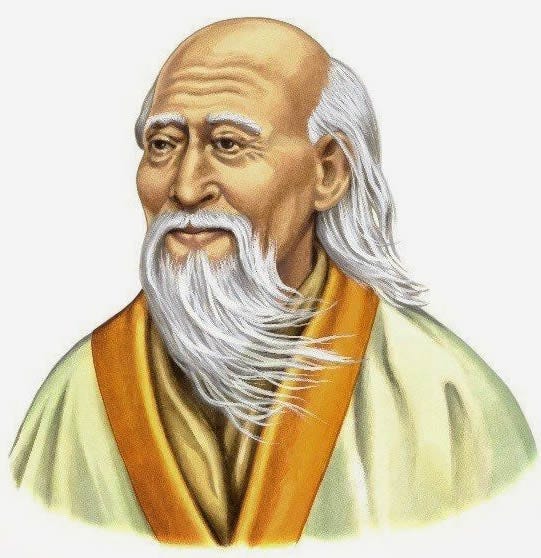
Laozi
Also known as: Lao Tzu, Lao-Tsu, Laotze, Li Er, Boyang
生日
January 1, 604 BCE
星座
Capricorn
出生地
Quren, Chu (modern Luyi County, Henan, China)
年龄
Died at 104
简介
老子,意为“老宗师”,是传说中创作了道家奠基之作《道德经》的中国哲学家。现代学术界视其为复合人物,认为文本由战国时期多位作者编纂而成。传统记载将其出生定位于公元前6世纪的楚国,他曾任周朝洛阳的守藏室之史。他的思想以道、无为和自然和谐为核心,两千多年来塑造了中国文化,影响了从治国、医学到武术和诗歌等方方面面。《道德经》至今仍是世界文学中翻译最多的著作之一,仅次于《圣经》。
早年生活与背景
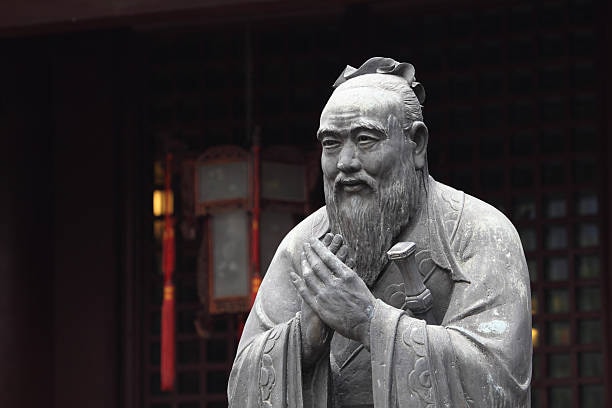
传统叙事将老子描绘成一位生来就拥有非凡智慧的智者。传说他在母亲腹中孕育了62年,出生时已是白发苍苍的老人,因此得名。他在春秋末期楚国苦县厉乡曲仁里长大。被任命为周朝守藏室之史后,他得以接触帝国庞大的古代典籍和礼仪收藏。这一职位使他处于学术生活的中心,据说公元前520年左右他曾与孔子会面。孔子向他请教历史和礼仪,深受触动,将老子比作乘风云而上的龙。随着周朝持续衰败,老子逐渐失望。他辞去职务西行,途经函谷关。关令尹喜认出他的智慧,恳求他在消失于荒野之前记录下自己的见解。于是,老子一气呵成写下了《道德经》,共81章约5000汉字,随后消失,再无踪迹。
职业发展
《道德经》成为道教的基石,道教是中国三大哲学传统之一。其影响起初缓慢增长,最早由河上公在公元200年左右所作的注释。唐朝(618–907年)改变了老子的地位:唐高祖自称是老子后裔,将这位哲学家提升为皇室祖先,并赐予道教国家扶持。公元743年,唐玄宗将老子神化为“大圣祖玄元皇帝”,下令修建庙宇以纪念他。明朝(1436–1445年)期间,《道德经》被收录入《道藏》。从19世纪起,《道德经》传遍全球,成为历史上翻译最多的书籍之一。然而,现代学术界使情况复杂化:马王堆帛书(公元前168年)和郭店竹简(约公元前300年)揭示了文本的差异,表明通行版本是复合而成。如今,这部作品继续激发新的翻译、注释,甚至人工智能生成的解读,仅到2024年就有超过250种英译本。
职业生涯年表
公众形象与风格
老子通常被描绘成一位长须皓首、身着飘逸长袍、表情平静睿智的老圣人,常骑青牛西行。这一形象经过数世纪中国艺术的固化,象征着远离世俗腐败的智慧隐士。《道德经》本身以其诗意、悖论和格言式风格著称,短章耐人寻味,值得冥想而非逻辑分析。道教信徒在农历二月十五庆祝其传统诞辰,举行寺庙朝圣,尤其是前往四川青城山和河南鹿邑县。在现代流行文化中,老子的语录在社交媒体上作为励志内容广泛分享,#TaoWisdom话题标签产生了数百万条帖子。他的形象与寻求简约、正念和消费主义文化替代品的人们产生共鸣。
名气与粉丝圈
Laozi holds no current placement in the iFANN Global Top 1,000 or any scope-specific ranking list, a status confirmed by the August 2026 evaluation cycle. While he does not compete for a numeric rank against modern celebrities, his enduring presence transcends standard fame metrics. The ancient philosopher commands a unique form of global recognition that defies contemporary charting systems. His influence is measured not in viral moments but in the sheer volume of translations and the depth of philosophical adherence spanning millennia. Unlike pop stars who rely on fanbases to drive visibility, Laozi's reach is institutionalized through religious Daoism, academic study, and centuries of cultural osmosis. There is no formal fandom name attached to his legacy; followers identify themselves as Taoists, scholars, or practitioners rather than members of a collective like the Beyhive or Swifties. No organized birthday campaigns, subway advertisements, or streaming chart pushes exist for him, as his relevance is woven into the fabric of history rather than driven by modern marketing. Yet, the resonance of his work remains potent. In 2026, new translations continued to emerge, exploring environmentalist themes, while a meme coin bearing his name briefly captured speculative financial attention. These modern echoes do not constitute a fandom in the traditional sense but highlight how his wisdom adapts to new eras. The absence of a ranked position simply reflects the limitations of applying 21st-century fame engines to a figure whose impact predates the concept of celebrity itself.
趣闻与传奇
The title Tao Te Ching translates to 'The Classic of the Way and Virtue,' a text containing exactly 5,000 Chinese characters in its standard version. Laozi's birth surname Li has grown to become the most common surname in both China and Vietnam. Archaeological discoveries have preserved fragments of his teachings for over two millennia; the oldest known copies are the Mawangdui silk manuscripts from 168 BCE, while the Guodian bamboo slips offer even earlier partial versions dating to around 300 BCE. Beyond these textual facts, legendary narratives shape his identity. The most iconic story recounts his departure at the Hangu Pass, where the border guard Yin Xi begged the weary sage to record his wisdom before vanishing westward on a water buffalo. This tale explains the origin of the Tao Te Ching and remains a staple of Chinese art. Ancient folklore also places Laozi as a contemporary of Confucius, describing a meeting where the younger Confucius sought advice only to be gently rebuked for being too rigid, with Confucius later calling Laozi a dragon he could not comprehend. Over time, this historical figure transformed into a deity known as Taishang Laojun, central to the religious pantheon of Daoism.
著名语录
“The Tao that can be told is not the eternal Tao. The name that can be named is not the eternal name.”
“A journey of a thousand miles begins with a single step.”
“Those who know do not speak. Those who speak do not know.”
“When you are content to be simply yourself and don't compare or compete, everybody will respect you.”
“He who knows others is wise; he who knows himself is enlightened.”
“I have just three things to teach: simplicity, patience, compassion. These three are your greatest treasures.”
家庭与个人生活
传统记载提到一位妻子,但她的姓名未被记录。夫妇俩有一个儿子李宗,他在魏国担任军官。没有其他家庭细节留存。现代学术界认为这些传记元素很可能是后来为了将传奇人物人性化而编造的。
重要关系
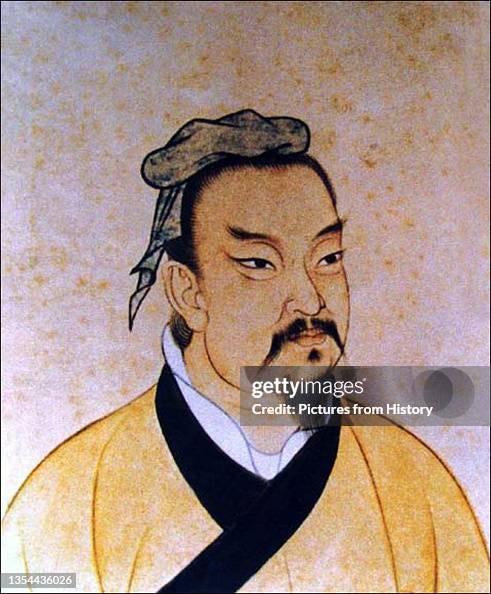
老子传统上与孔子相关联,据传孔子曾向他请教。庄子在《庄子》中发展了他的思想。尹喜(关令)是他的传奇弟子。早期注释家河上公和王弼塑造了通行文本。司马迁撰写了第一篇传记。
恋情与交往史
传统传说认为老子有妻子,但没有留下姓名或细节。据说她先于老子去世。他们的儿子李宗延续了家族血脉。道教传统中一个更重要的关系是与函谷关关令尹喜的关系。尹喜认出了老子的智慧,并迫使老子写下《道德经》。一些道教典籍将尹喜描绘为老子的主要弟子,后来成为仙人。截至2026年,没有与这位历史或传奇人物相关的在世伴侣。
- 已婚Unnamed wife传统记载提到一位妻子,但她的姓名和生活细节没有记录。
- 曾交往Yin Xi传说中的关令,接收了《道德经》;某些传统视其为弟子或精神伴侣。
身价(遗产价值)
$0
iFANN编辑团队估算
As of 2026, the ancient philosopher Laozi accumulated no personal wealth during his lifetime, and the text he is credited with authoring has remained in the public domain for centuries, generating no direct royalties for any estate. The commercial ecosystem surrounding the *Tao Te Ching* remains vast, with translations, commentaries, adaptations, merchandise, and media inspired by the work generating billions of dollars annually through third-party publishers and creators. No formal estate exists to manage these derivative revenues. Per iFANN's editorial analysis, the philosopher's net worth stands at $0, yet his cultural capital remains immeasurable.
奖项与荣誉
View 13 records, honours and achievements代表作
Tao Te Ching
c. 500 BCE · Author
关键词
速览
- 职业
- philosopher, archivist, writer
- 出生
- 604 BCE
- 出生地
- Quren, Chu (modern Luyi County, Henan, China)
- 逝世
- c. 500 BCE
- 性别
- 男
- 星座
- Capricorn
个人资料
- 全名
- Li Er
- 子女
- Li Zong (son)
- 教育
- Self-taught through Zhou dynasty archives
常见问题
老子是真实的历史人物吗?
《道德经》是关于什么的?
老子见过孔子吗?
老子去世时多大年纪?
老子的身价是多少?
加入社区
位粉丝正在讨论