
 France
简介
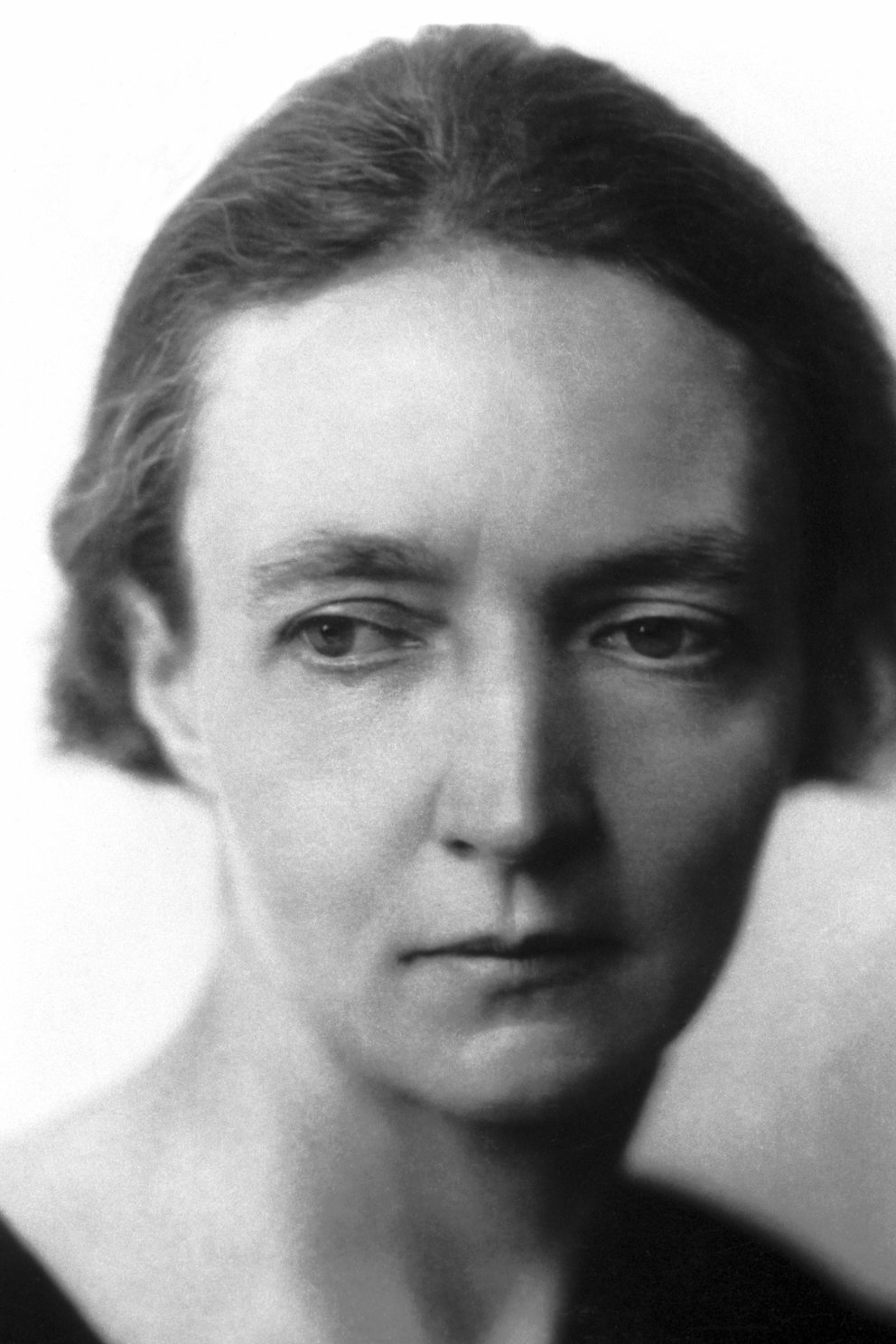
伊雷娜·约里奥-居里是法国化学家、物理学家和教授。她因在人工放射性方面的开创性工作而闻名,并因此与丈夫弗雷德里克·约里奥-居里共同获得1935年诺贝尔化学奖。这一成就巩固了居里家族作为获得诺贝尔奖最多的家族的地位,共有五位获奖者。伊雷娜的成就也标志着她是诺贝尔奖独特配对的一部分:唯一一对母女(与玛丽·居里)和唯一一对父女(与皮埃尔·居里)获得这一殊荣。她还是政治领域的先驱,曾任科学研究副部长,后来担任法国替代能源和原子能委员会的委员。她的科学贡献至今仍影响着该领域,她的名字被刻在埃菲尔铁塔上,彰显了她的持久影响。
早年生活与背景
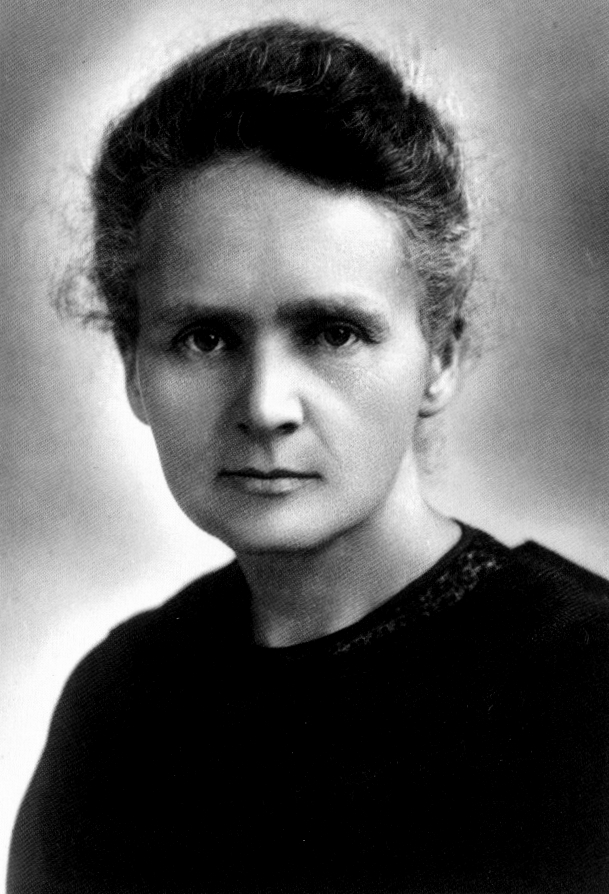
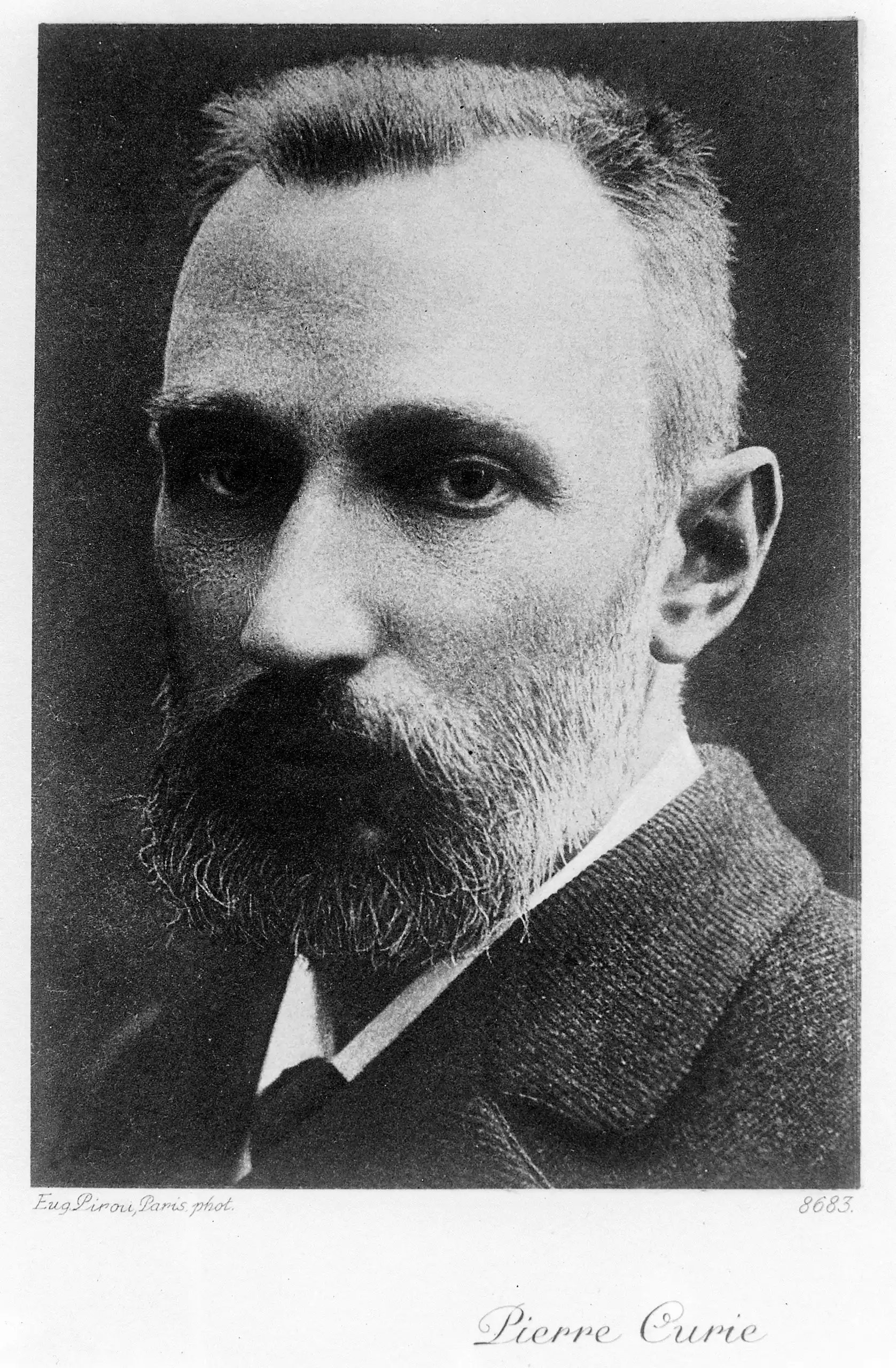
伊雷娜·居里于1897年9月12日出生于法国巴黎第十三区。她是世界著名科学家皮埃尔和玛丽·居里的女儿,她的童年家庭是一个充满活力的中心,科学发现和智力追求是核心。家中总是充满科学讨论,营造了一个伊雷娜从小就被前沿研究包围的环境。当伊雷娜年仅九岁时,父亲皮埃尔·居里去世,悲剧降临。她的母亲玛丽,一位杰出的科学家,承担起抚养伊雷娜和妹妹艾芙的责任。为了让女儿们接受启发式教育,玛丽与包括物理学家保罗·朗之万和化学家让·佩兰在内的著名科学家共同组织了一所合作学校。在这种独特的教育环境中,伊雷娜接受了非传统的教育,强调科学和批判性思维,而非传统的死记硬背,她在这种方法下茁壮成长,早早展现出智力天赋。
第一次世界大战爆发时,17岁的伊雷娜表现出强烈的服务意识,她接受培训成为放射科护士,并于1915年3月获得文凭。她与母亲一起工作,帮助装备和操作移动X光机,即著名的“小居里”。她驾驶这些车辆前往战地医院,为受伤士兵提供关键的诊断和治疗支持,获得了宝贵的辐射实际应用经验,并培养了深厚的责任感。战后,伊雷娜正式接受高等教育,在巴黎大学(索邦)学习物理和化学,并于1920年获得物理科学学位。她的学术生涯继续,加入了镭研究所著名的居里实验室。在那里,她开始了博士研究,专注于钋的α射线——一种由她父母发现的元素。她成功通过论文答辩,于1925年从巴黎大学(索邦)获得物理科学博士学位。
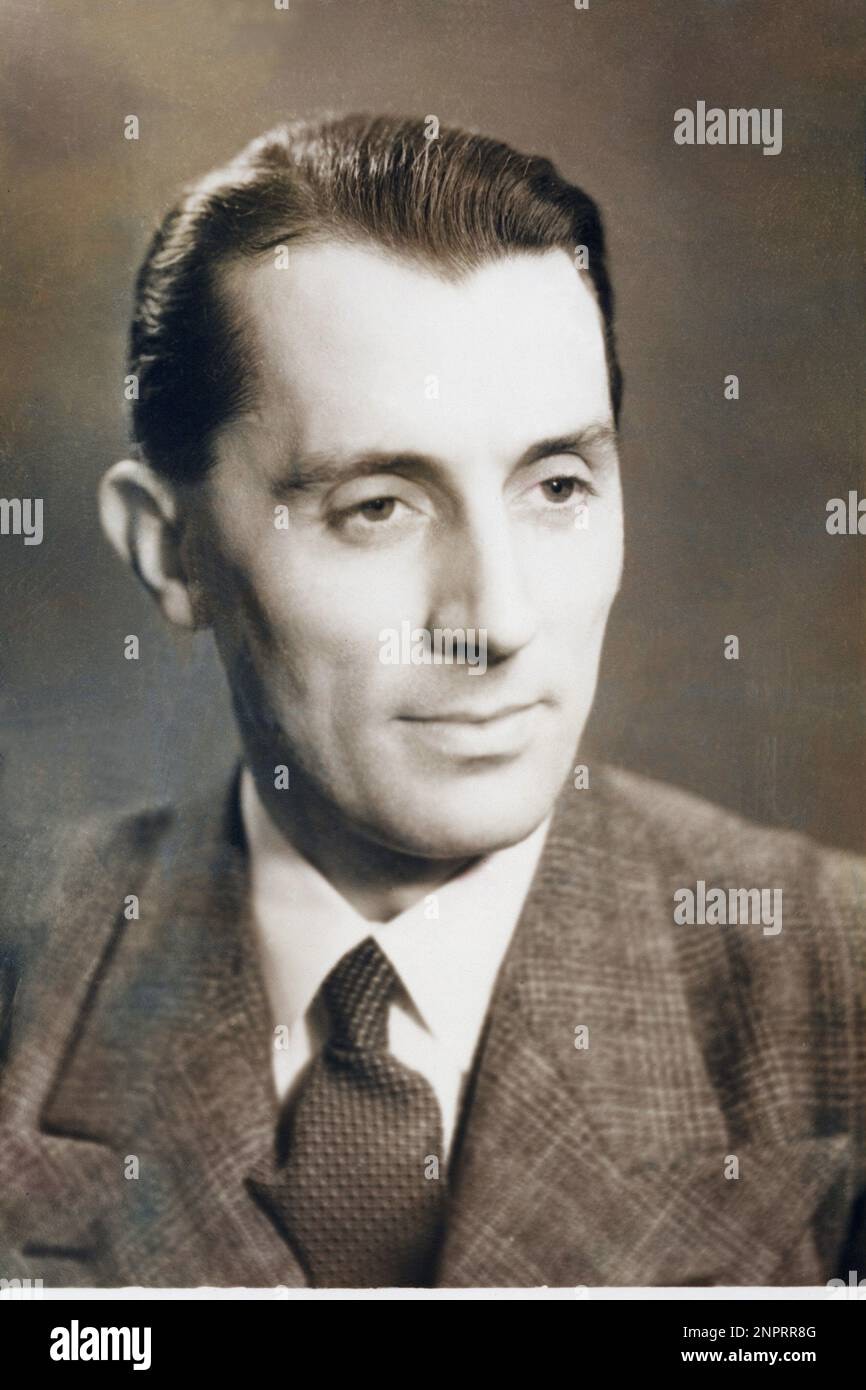
在她崭露头角的科学事业中,一个关键的时刻发生在1924年12月,一位名叫弗雷德里克·约里奥的年轻工程师作为她的助手加入实验室。他们最初的专业合作迅速加深,演变为深厚的个人关系。伊雷娜·居里和弗雷德里克·约里奥于1926年结婚,正式形成了后来被称为约里奥-居里团队的科学生涯伙伴关系。
职业发展
1928年至1935年间,伊雷娜和弗雷德里克·约里奥-居里进行了一系列改变核物理学的实验。他们用α粒子轰击铝、硼、镁等轻元素,发现稳定元素可以转化为放射性同位素,即人工放射性。他们于1934年1月发表了这一突破性成果。这一发现意味着科学家可以快速且廉价地制造“定制”放射性元素,为医学、生物学和化学领域开辟了新的可能性。凭借这项工作,他们于1935年12月获得了诺贝尔化学奖。
1936年,伊雷娜在莱昂·布鲁姆的人民阵线政府中担任了四个月的科学研究副部长,成为法国内阁中首批三位女性之一。二战后,她于1945年被任命为新成立的法国替代能源和原子能委员会(CEA)的委员,帮助指导法国的核政策。约里奥-居里夫妇在1948年建造法国第一座核反应堆中发挥了关键作用。伊雷娜后来担任镭研究所所长,并于1955年为位于奥赛的一个配备同步回旋加速器的现代化实验室争取到资金,扩大了法国高能核物理研究。她持续发表论文并指导后辈,直至1956年去世。
职业生涯年表
公众形象与风格
名气与粉丝圈
The public memory of Irène Joliot-Curie remains anchored in the gravitas of scientific discovery rather than the fervor of celebrity worship. Unlike modern entertainers who cultivate dedicated followings with specific names and organized rituals, her audience consists of historians, students, and those drawn to the Curie family legacy. There is no documented formal name for any fanbase, as she was a researcher and politician whose public appearances were defined by academic conferences and wartime service rather than stage performances or social media engagement. Her reputation rests on verified historical achievements, including the 1934 discovery of artificial radioactivity and her role in French government, creating a legacy of respect rather than fandom culture. In August 2026, the iFANN Global Fame Engine evaluated her standing among historical figures. Irène Joliot-Curie is currently an evaluated entity that does not hold a placement in the published rankings, meaning she has no numeric rank within the Global Top 1,000 or any Top-100 scope list. This status reflects her position as a monumental but non-contemporary figure whose fame is stable and historical rather than fluctuating with current trends. The absence of a ranking indicates that while her contributions are foundational to nuclear physics, she does not generate the volume of contemporary search signals required for a top-tier global score. Her influence persists through textbooks and museum exhibits rather than viral campaigns or chart positions.
趣闻与传奇
Irène and Marie Curie remain the only mother-daughter pair to win Nobel Prizes, while Irène and Pierre Curie stand as the sole father-daughter duo to receive the award. The Curie family holds five Nobels, the most of any family in history. As a child, she attended a cooperative school organized by her mother and colleagues that emphasized science over rote learning. During World War I, she drove mobile X-ray units to the front lines, operating them alongside her mother to assist wounded soldiers. She and Frédéric were the second married couple to win a Nobel, after her parents. Her exposure to radiation likely caused the leukemia that killed her. Beyond these facts, a widely retold story defines her legacy: the discovery of artificial radioactivity in 1934, where she and Frédéric bombarded stable elements like aluminum with alpha particles to create new radioactive isotopes, fundamentally changing nuclear physics. Another enduring chapter involves her political activism; her opposition to the Algerian War and advocacy for peace led to her removal from certain government positions, though she remained a respected scientist until her death. The somber narrative of her life concludes with her passing in 1956 from aplastic anemia, a condition directly caused by prolonged radiation exposure, mirroring the fate of her mother.
著名语录
“It is not enough to have a good mind; the main thing is to use it well.”
“I have always been a scientist, and I think that is the most important thing.”
“The discovery of artificial radioactivity opened a new era in nuclear physics.”
“We must not forget that radium is a dangerous substance, and we must handle it with care.”
家庭与个人生活
重要关系
恋情与交往史
伊雷娜唯一有记载的恋爱关系是与弗雷德里克·约里奥。他们于1924年12月在镭研究所相识,当时弗雷德里克成为她的助手。他们对科学的共同热情迅速发展为深厚的个人感情。他们于1926年10月4日结婚,采用联合姓氏约里奥-居里。他们的伙伴关系既是个人也是职业上的,导致了人工放射性的发现和两个孩子埃莱娜和皮埃尔的出生。伊雷娜与弗雷德里克一直保持婚姻关系,直至1956年去世。可靠资料中未记录其他关系。
- 已婚Frédéric Joliot-Curie1926 - 19561924年在镭研究所相识;1926年10月4日结婚;科学伙伴关系带来诺贝尔奖;育有两个孩子。
逝世与身后事
逝世
March 17, 1956 (享年58岁)
逝世地点
Paris, France
死因
Acute leukemia from radiation exposure
The scientific community and French officials immediately honored Irène Joliot-Curie as a Nobel laureate and the daughter of Marie and Pierre Curie, recognizing her pivotal role in the French Resistance and her contributions to nuclear physics. Tributes flowed from institutions that had benefited from her leadership at the Radium Institute and her service as undersecretary for Scientific Research, cementing her status as a pillar of French science rather than a celebrity subject of public mourning. Her final days were spent in Paris following a period of declining health characterized by severe fatigue and illness typical of radiation-induced bone marrow failure. She passed away on March 17, 1956, at the age of fifty-eight, with medical diagnosis attributing the death to acute leukemia directly resulting from chronic exposure to ionizing radiation sustained during decades of research and wartime service as a battlefield radiologist.
Following a private funeral held in Paris, she was cremated, and her ashes were interred alongside those of her husband, Frédéric Joliot-Curie, and her mother, Marie Curie, in the family vault at the Satory cemetery in Gif-sur-Yvette, France. Posthumously, her legacy has been maintained through the establishment of the "Irène Joliot-Curie Prize," an award created to recognize women scientists who have made significant contributions to science and to encourage young people to pursue scientific careers. Recent recipients include Sylvie Méléard, Anne Canteaut, and Valentina Emiliani, ensuring her commitment to women in science remains a living tribute.
身价(遗产价值)
获奖 (2)
Irène Joliot-Curie 与丈夫 Frédéric 因发现人工放射性而共同获得1935年诺贝尔化学奖。她还与 Frédéric 共同获得了哥伦比亚大学颁发的1940年巴纳德金质奖章,以表彰其对科学的卓越贡献。
1935 · 化学
Discovery of artificial radioactivity
1940 · 科学
Contributions to nuclear science
代表作
Discovery of artificial radioactivity
1934 · Co-discoverer with Frédéric Joliot-Curie
Nobel Prize in Chemistry
1935 · 桂冠奖
Undersecretary of State for Scientific Research
1936 · Government official
Commissioner of the French Atomic Energy Commission
1945 · 总裁
关键词
来源
速览
- 职业
- physicist, chemist, professor
- 出生
- +1897-09-12
- 出生地
- 13th arrondissement of Paris
- 逝世
- +1956-03-17
- 逝世地点
- Paris
- 性别
- 女
- 配偶
- Frédéric Joliot-Curie
- 星座
- Virgo
个人资料
- 全名
- Irène Curie
- 配偶
- Frédéric Joliot-Curie
- 子女
- 2
- 教育
- PhD in physical sciences, University of Paris (Sorbonne), 1925; degree in physical sciences, 1920
常见问题
伊雷娜·约里奥-居里是谁?
伊雷娜·约里奥-居里2026年的身价是多少?
Irène Joliot-Curie 是如何去世的?
Irène Joliot-Curie 发现了什么?
Irène Joliot-Curie 与 Marie Curie 有血缘关系吗?
加入社区
位粉丝正在讨论